





As beverage portfolios become more crowded, aroma is moving from a supporting detail to a primary design variable. In 2026, olfactory engineering in beverage industry will matter not only for flavor appeal, but also for product identity, clean-label credibility, and margin resilience.
The shift is easy to understand. Consumers do not experience drinks as isolated taste signals. They perceive aroma, texture, color, temperature, and aftertaste as one integrated event. That makes formulation decisions around volatile compounds, release timing, and sensory balance strategically important.
For companies working across FMCG categories, this is where cross-disciplinary insight becomes valuable. Platforms such as FFAI have highlighted how flavors, preservatives, thickeners, and compliance data increasingly need to be read together rather than managed as separate topics.
Why aroma engineering is becoming a board-level formulation issue
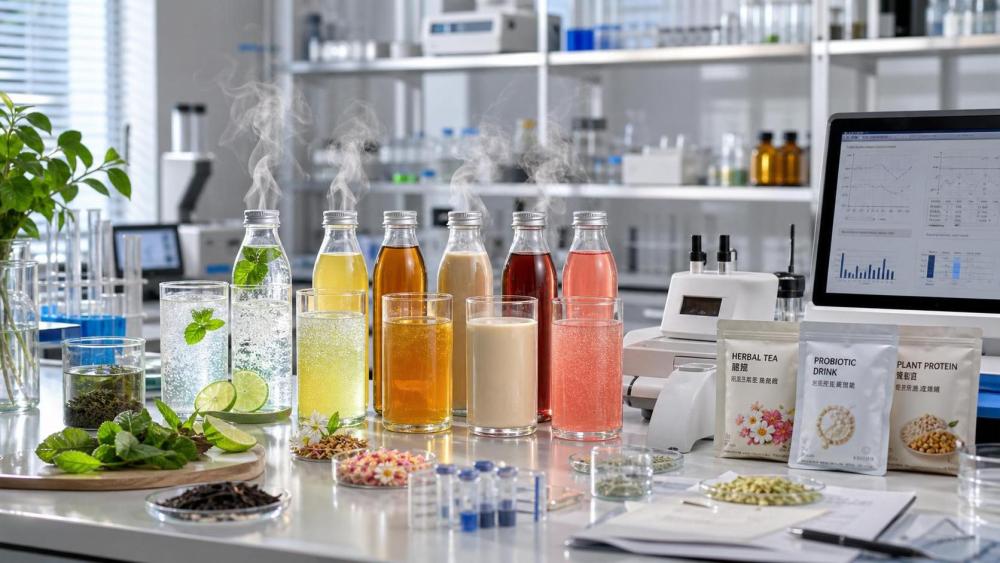
A useful way to read the market is this: taste may win trial, but aroma often shapes expectation before the first sip. That is why olfactory engineering in beverage industry now influences positioning, repeat purchase, and premium perception.
This matters even more in crowded segments such as sparkling water, functional drinks, dairy beverages, tea, coffee, and low-sugar refreshment products. When sweetness is reduced or formulas are simplified, aroma has to do more commercial work.
At the same time, product teams are operating under tighter constraints. They face natural sourcing pressures, regional regulatory differences, shorter launch windows, and higher sensitivity to ingredient storytelling. Aroma formulation can no longer rely on intuition alone.
What olfactory engineering in beverage industry actually means
In practical terms, olfactory engineering in beverage industry is the structured design of how aroma is built, protected, released, and perceived in a drink system. It covers more than selecting a flavor profile.
It includes the relationship between top notes and base notes, the impact of acidity and sweeteners, the masking of off-notes, and the way temperature changes perception during consumption.
It also depends on adjacent ingredients. Antioxidants can help preserve volatile integrity. Thickeners and hydrocolloids can alter release curves. Natural pigments can reinforce flavor expectations. Packaging oxygen control influences shelf stability as much as the formula itself.
That broader systems view aligns with the kind of intelligence model FFAI emphasizes: molecular sensory interaction linked with safety, stability, and real commercial feasibility.
The 2026 formulation trends shaping decisions
Several trends are pushing olfactory engineering in beverage industry into a more disciplined phase. None of them operate alone, and that is precisely the challenge.
Cleaner labels with more complex sensory expectations
Consumers continue to prefer simpler ingredient narratives, yet they still expect layered and distinctive aroma signatures. This creates tension between natural extracts, cost control, and consistency across batches.
Sugar reduction without sensory collapse
When sugar drops, aroma often feels thinner or less rounded. Formulators are compensating with stronger retronasal design, improved mouthfeel support, and better management of high-intensity sweetener side notes.
Functional beverages with difficult off-notes
Protein, botanicals, vitamins, minerals, caffeine systems, and adaptogenic ingredients can all distort aroma perception. The task is no longer simply adding flavor. It is managing interaction networks over shelf life.
Premiumization through sensory architecture
More brands are treating aroma like a layered experience. Early impact, mid-palate bloom, and lingering finish are being engineered much like fragrance evolution, especially in coffee, fermented drinks, and adult soft beverages.
Where the commercial value shows up
The value of olfactory engineering in beverage industry becomes clearer when linked to operational outcomes rather than abstract sensory language.
Aroma strategy also protects investment efficiency. Reformulation cycles become shorter when teams define sensory targets, shelf-life risks, and regulatory boundaries at the same time.
Key beverage scenarios to watch
Not every beverage requires the same olfactory approach. The formulation logic changes with matrix, process, and consumer expectation.
- Sparkling drinks need aroma persistence despite carbonation loss and cold serving conditions.
- Plant-based beverages need careful masking of beany, earthy, or protein-driven notes.
- Tea and botanical blends require balance between authenticity and bitterness management.
- Low- and no-alcohol drinks benefit from fragrance-like complexity to replace missing ethanol lift.
- Dairy and yogurt beverages rely on texture and aroma release working together, not separately.
Across these segments, olfactory engineering in beverage industry works best when aroma is treated as part of total sensory architecture rather than a late-stage correction.
How to evaluate a formulation strategy more rigorously
A stronger decision framework usually starts with better questions. The issue is not whether a flavor smells attractive in isolation. The issue is whether it performs under commercial reality.
- Check aroma stability under heat, light, oxygen exposure, and distribution time.
- Assess how sweeteners, acids, preservatives, and hydrocolloids alter aroma release.
- Validate whether natural positioning creates sourcing or batch-variation risks.
- Review GRAS, regional labeling, and export implications before locking sensory direction.
- Measure whether the sensory uplift justifies cost-in-use and margin targets.
This is where intelligence support becomes practical. FFAI’s broader lens on preservatives, thickeners, fragrance chemistry, and compliance reflects the reality that beverage aroma performance is rarely determined by one ingredient alone.
What deserves attention next
The next phase of olfactory engineering in beverage industry will likely be shaped by better molecular mapping, more precise regional adaptation, and stronger links between sensory data and pricing strategy.
That suggests a useful next move: review beverage pipelines through a sensory systems lens. Compare current formulas by aroma resilience, clean-label compatibility, matrix interaction, and compliance exposure.
When those criteria are made visible early, formulation teams can prioritize the right experiments, reduce blind reformulation, and build products that feel differentiated before consumers even take the first sip.
Related News
- Garlic Powder Storage: Managing Moisture to Protect Aroma and FlowSep 23, 2026Food Preservation Scientist
- Why Garlic Powder Behavior Changes Across Dry Seasoning FormulasAug 12, 2026Food Preservation Scientist
- India BIS Enforces Disclosure Rule for Imported Freshness BlendsJun 27, 2026Food Preservation Scientist
- Olfactory Engineering in Pet Food: How to Improve Palatability Without ReformulatingJun 23, 2026Food Preservation Scientist
Related News
- 00
0000-00
What drives fragrance ingredients price changes in bulk orders? - 00
0000-00
How to assess a food antioxidants distributor’s traceability practices - 00
0000-00
How minimum order quantities shape private label ingredient sourcing costs - 00
0000-00
What drives personal care ingredient price volatility in sourcing - 00
0000-00
What drives micelles price differences in cosmetic formulations?
Food Preservation Scientist
Weekly Insights
Stay ahead with our curated technology reports delivered every Monday.