





Why Olfactory Engineering in Functional Foods Matters Now
Olfactory engineering in functional foods is moving from a niche R&D topic to a commercial priority.
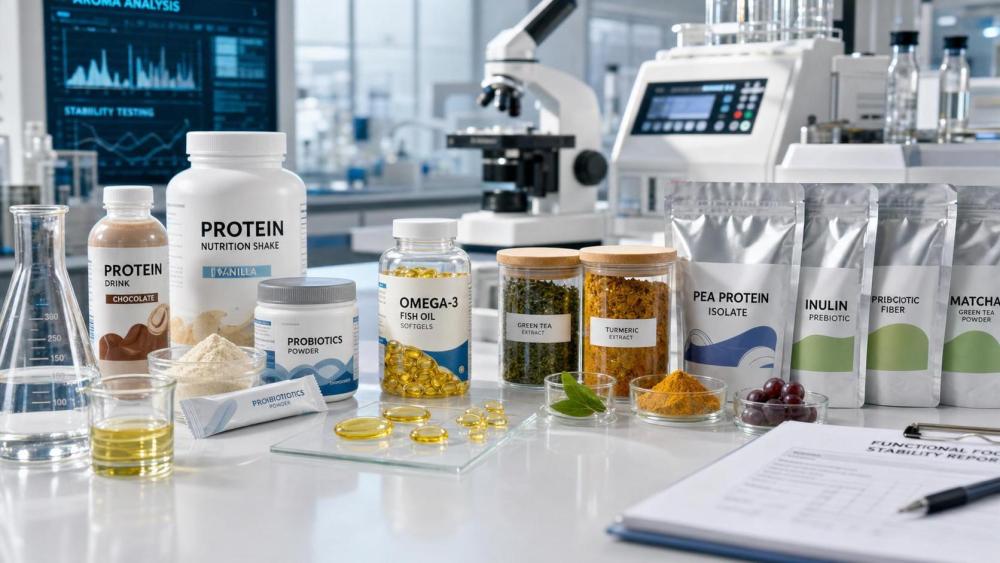
Consumers want products that support energy, immunity, gut health, beauty, and aging well.
But they still judge quality in seconds, often by aroma before taste.
That changes the project brief for functional beverages, supplements, fortified snacks, and medical nutrition.
In practical terms, olfactory engineering in functional foods helps teams control how active ingredients smell across processing, packaging, and shelf life.
It also helps connect sensory design with regulatory safety, clean label expectations, and price positioning.
For companies tracking global FMCG signals, this is not only a sensory issue.
It is a formulation risk issue, a launch timing issue, and often a margin issue.
More importantly, aroma design now influences repeat purchase as much as front-of-pack claims.
A functional product may promise benefits, yet a harsh sulfur note can still stop trial.
That is why olfactory engineering in functional foods has become a cross-functional tool for faster, safer commercialization.
What Olfactory Engineering in Functional Foods Actually Covers
The term goes beyond adding a pleasant flavor.
It includes volatile compound selection, odor masking, aroma release control, and interaction mapping between actives and carrier systems.
It also covers thermal stability, oxidation behavior, and how aroma changes during storage.
This matters because many functional ingredients create difficult odor signatures.
Typical examples include omega oils, plant proteins, amino acids, probiotics, collagen peptides, minerals, and botanical extracts.
Some produce fishy, bitter, grassy, metallic, fermented, or medicinal notes.
Without intervention, those notes reduce product acceptance even when efficacy is strong.
So the real job is to make function feel desirable, not merely tolerable.
Core technical levers
- Encapsulation to reduce off-notes during processing and first opening.
- Top-note design to create early positive sensory cues.
- Base-note balancing to hide lingering sulfur or marine tones.
- Matrix control using thickeners, emulsifiers, and antioxidants.
- Packaging selection to manage oxygen, light, and aroma loss.
Key Use Cases for Olfactory Engineering in Functional Foods
From recent market shifts, the strongest signal is clear.
Winning products are not just healthier.
They are easier to enjoy every day.
1. Protein beverages and meal replacements
Plant proteins often carry earthy, beany, or dusty odors.
Dairy proteins can develop cooked or sulfuric notes after heat treatment.
Olfactory engineering in functional foods helps reduce these barriers through flavor layering and matrix tuning.
This is especially useful in ready-to-drink formats with long shelf-life targets.
2. Omega-3 and lipid-fortified products
Fishy oxidation notes remain one of the hardest sensory issues in fortified foods.
Here, olfactory engineering in functional foods combines antioxidants, encapsulated oils, and release timing.
The goal is not simply masking.
The goal is slowing odor formation at the molecular level.
3. Botanical wellness products
Adaptogens, herbal extracts, and nootropic blends often smell medicinal or overly green.
That can conflict with premium positioning.
A better approach pairs compatible natural aromatic profiles with the intended benefit story.
For example, citrus and ginger cues can support energy perceptions when technically justified.
4. Gut health and probiotic formats
Fermented notes can signal authenticity, but they can also overwhelm broad consumer groups.
Olfactory engineering in functional foods helps define the right balance between credibility and drinkability.
This is crucial when scaling from niche health channels to mass retail.
5. Healthy aging and beauty-from-within products
Collagen, peptides, minerals, and marine actives can create a clear sensory challenge.
These formats also compete in premium categories where consumers expect elegance.
That makes olfactory engineering in functional foods a direct lever for premiumization and retention.
How to Apply It in Product Development
In real projects, the biggest mistake is treating aroma too late.
By the time pilot output fails sensory review, the cost of reformulation rises quickly.
A stronger model brings olfactory engineering in functional foods into the design phase.
A workable implementation sequence
- Define the functional claim, target audience, and desired sensory identity together.
- Map odor risks from each active ingredient before finalizing the base formula.
- Test aroma behavior under heat, shear, pH shifts, and oxygen exposure.
- Evaluate packaging impact on aroma retention and oxidation control.
- Run shelf-life checkpoints with sensory, analytical, and stability data combined.
- Align flavor choices with regional preferences and compliance boundaries.
This process reduces surprises between benchtop success and commercial scale.
It also gives teams a clearer path for supplier conversations and launch decisions.
Common Risks and How to Manage Them
Even promising concepts can fail if the sensory system is unstable.
That is why olfactory engineering in functional foods should be linked to risk control, not just creativity.
One useful lesson is that masking alone rarely solves the problem.
The better answer is integrated control across molecules, process, and packaging.
Why This Creates Business Value Beyond Sensory Improvement
This also means the return is broader than a better aroma score.
Olfactory engineering in functional foods can shorten iteration cycles and improve launch confidence.
It supports cleaner premium storytelling because sensory quality feels more authentic.
It may also reduce waste from failed pilots, rejected batches, and weak repeat purchases.
For intelligence-led teams, it creates a better bridge between formulation science and market positioning.
That is especially relevant in categories shaped by clean label pressure, aging populations, and stronger sensory expectations.
Final Takeaway
Olfactory engineering in functional foods is no longer optional for products carrying complex actives.
It is a practical solution for improving acceptance, protecting brand value, and reducing commercialization risk.
The most effective teams start early, test under real conditions, and connect sensory design with compliance and shelf-life strategy.
When done well, olfactory engineering in functional foods helps turn technically strong formulations into products people actually want to use again.
The next smart move is simple: review your active portfolio, rank odor risk, and build aroma control into development before scale-up begins.
Related News
- Garlic Powder Storage: Managing Moisture to Protect Aroma and FlowSep 23, 2026Food Preservation Scientist
- Why Garlic Powder Behavior Changes Across Dry Seasoning FormulasAug 12, 2026Food Preservation Scientist
- India BIS Enforces Disclosure Rule for Imported Freshness BlendsJun 27, 2026Food Preservation Scientist
- Olfactory Engineering in Pet Food: How to Improve Palatability Without ReformulatingJun 23, 2026Food Preservation Scientist
Related News
- 00
0000-00
Can biomimetic peptides in cosmetics reduce the look of wrinkles? - 00
0000-00
How to assess a bio-based thickener manufacturer's batch consistency - 00
0000-00
Verifying halal status of hydrocolloid ingredients in the Middle East - 00
0000-00
How to interpret active matter on a surfactant specification sheet - 00
0000-00
How Do You Test Hydrocolloid Viscosity After Changing a Thickener?
Food Preservation Scientist
Weekly Insights
Stay ahead with our curated technology reports delivered every Monday.