





In today’s cost-sensitive FMCG landscape, food preservation technology is no longer just a shelf-life tool—it is a strategic lever for reducing spoilage, protecting brand reputation, and improving supply chain resilience without changing core formulations. For decision-makers, understanding how preservation systems work across processing, packaging, and distribution is essential to balancing safety, compliance, sensory quality, and commercial performance.
What Decision-Makers Are Really Looking For From Food Preservation Technology
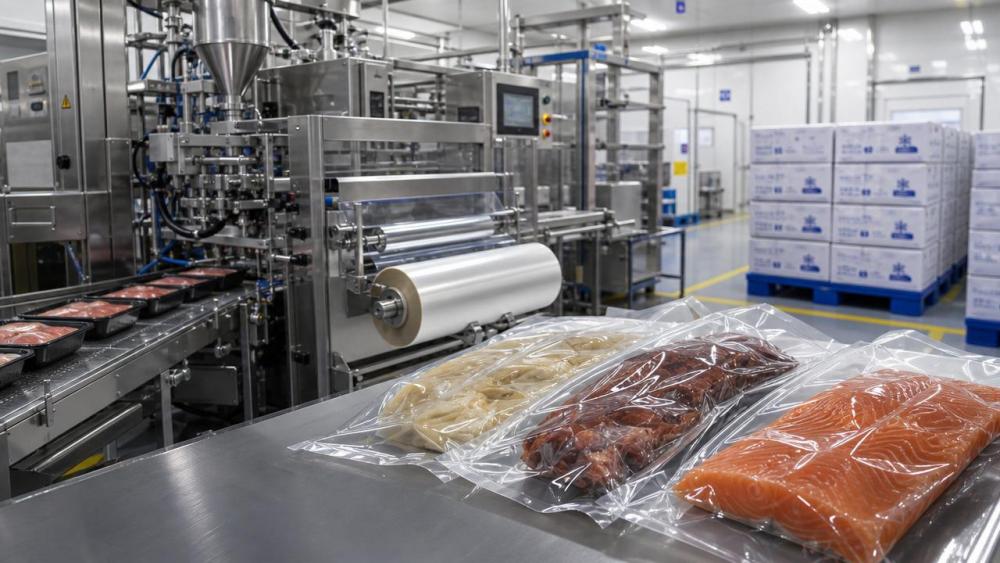
When business leaders search for food preservation technology, they are rarely looking for textbook definitions. They usually want practical ways to cut waste, reduce returns, and stabilize shelf life without reopening formula development.
That distinction matters. Reformulation can trigger new validation work, labeling updates, sensory drift, regulatory review, supplier qualification, and customer risk. For many companies, that is too expensive, too slow, or too disruptive.
The real question is simpler: how can a business reduce spoilage using process, packaging, handling, and preservation system optimization while keeping the existing product concept commercially intact?
In most cases, spoilage is not caused by a single failure. It is the result of several small weaknesses across microbiological control, oxygen exposure, moisture migration, temperature abuse, sanitation, and distribution variability.
That is why food preservation technology should be evaluated as an operating system, not as a single ingredient decision. The highest returns often come from fixing interfaces between formulation, factory practice, packaging, and logistics.
For enterprise decision-makers, the winning approach is usually not “add more preservative.” It is “identify the dominant spoilage pathway, then apply the least disruptive technical intervention with the strongest operational payback.”
Why Spoilage Happens Even When the Formula Has Not Changed
Many leadership teams assume spoilage spikes must come from ingredient inconsistency or preservative weakness. Sometimes that is true, but more often the root cause sits elsewhere in the value chain.
Small changes in raw material load, line hygiene, fill temperature, sealing integrity, warehouse dwell time, or retailer handling can materially shorten real-world shelf life without any official formula change.
A product may pass internal stability testing and still fail in market conditions. That happens because laboratory assumptions often underestimate transport stress, thermal cycling, oxygen ingress, and repeated handling after production.
For this reason, food preservation technology should be tied to actual commercial conditions. Shelf life is not only a chemistry issue. It is a system performance issue across production, packaging, and movement.
Decision-makers should ask three direct questions. What spoilage mode is increasing? Where in the chain does it begin? Which intervention can reduce loss fastest without triggering a full reformulation cycle?
The Most Effective Ways to Cut Spoilage Without Reformulation
There are several high-impact levers companies can use before changing the core recipe. The best option depends on product category, contamination risk, distribution model, and shelf-life target.
First, optimize processing conditions. Better thermal control, faster cooling, improved hygienic design, and tighter environmental monitoring can reduce microbial pressure before the product ever reaches packaging.
Second, improve packaging performance. In many categories, shelf-life loss is driven less by formulation weakness and more by oxygen ingress, moisture exchange, light exposure, or inadequate reseal performance.
Third, strengthen sanitation and line control. Biofilms, difficult-to-clean valves, filler contamination, and inconsistent clean-in-place execution often create recurring spoilage patterns that look like formulation failures.
Fourth, evaluate preservation system synergy rather than concentration alone. Chelators, antioxidants, pH adjustment, water activity management, and atmosphere control can enhance protection without changing the product identity.
Fifth, reduce post-production abuse. Better palletization, warehouse rotation, cold-chain discipline, and retailer handling standards can preserve quality more effectively than expensive ingredient changes.
These actions are especially valuable because they can often be deployed faster than reformulation. They also tend to create broader operational gains, including lower claims, stronger consistency, and fewer customer complaints.
How Packaging Becomes a Preservation Technology, Not Just a Container
Executives often underestimate the role of packaging in food preservation technology. Yet for many products, the package is one of the most powerful shelf-life controls available without changing the formulation.
Barrier performance is the first consideration. Oxygen transmission rate, moisture vapor transmission, and light protection directly affect oxidation, texture drift, color stability, and microbial risk depending on the product type.
Seal integrity is equally important. A technically strong film structure offers little value if seals are inconsistent, contaminated, or vulnerable to microleaks during transport and retail handling.
Headspace management also matters. Vacuum, modified atmosphere packaging, nitrogen flushing, and better fill control can significantly slow spoilage pathways in products sensitive to oxygen and aerobic growth.
Resealable formats deserve closer scrutiny in multi-use categories. A product may be stable before opening yet deteriorate quickly after repeated consumer access, creating dissatisfaction that looks like factory failure.
For decision-makers, packaging upgrades should be judged against total cost of spoilage, not unit packaging cost alone. A modest material increase can be justified if it lowers returns, extends reach, or protects premium positioning.
How to Evaluate ROI: Cost, Waste, Claims, and Commercial Reach
Senior leaders need more than technical theory. They need a financial framework for deciding whether a preservation upgrade is worth the investment.
The first metric is avoidable waste. This includes factory hold loss, warehouse expiry, distributor returns, retail markdowns, and consumer complaints tied to premature deterioration or visible quality decline.
The second metric is market reach. Better food preservation technology can enable longer shipping distances, slower channels, export access, and more flexible inventory planning without compromising safety or sensory performance.
The third metric is brand protection. Spoilage incidents create hidden costs that exceed product write-offs, including customer distrust, key account friction, audit pressure, and reputational damage in digital channels.
The fourth metric is operational efficiency. A stronger preservation system can reduce firefighting, emergency discounting, batch disputes, and reactive quality investigations that consume management attention.
When viewed through this lens, the ROI conversation becomes clearer. The relevant comparison is not the added cost of packaging, testing, or process improvement. It is the value of risk reduction and commercial stability.
What a Smart Preservation Review Should Include Before Any Reformulation Decision
Before authorizing formula changes, companies should run a structured preservation review. This prevents expensive development work from solving the wrong problem.
Start with spoilage mapping. Separate microbial spoilage, oxidative deterioration, texture breakdown, color fading, flavor loss, and package-related defects. Each failure mode requires a different technical response.
Next, compare laboratory shelf life with in-market performance. If the gap is large, the issue may involve logistics stress, channel handling, or packaging robustness rather than preservative composition.
Then audit process control points. Review kill steps, cooling curves, line changeovers, environmental monitoring, filling hygiene, and closure performance. These often reveal intervention opportunities with quick payback.
After that, assess packaging as a preservation variable. Confirm barrier fit, seal consistency, headspace control, and consumer use pattern compatibility. Packaging should be treated as part of the preservation system.
Finally, quantify risk by SKU and geography. Not all products need the same intervention. Prioritizing high-loss items, long-distance lanes, and complaint-prone formats improves capital efficiency.
Common Mistakes Companies Make When Trying to Reduce Spoilage
One common mistake is assuming that higher preservative loading is always the best answer. In reality, this may create labeling pressure, sensory issues, or cost increases without fixing the actual spoilage source.
Another mistake is relying only on standard shelf-life testing. Real distribution conditions often include heat spikes, vibration, compression, delayed unloading, and consumer misuse that are absent in controlled studies.
A third mistake is isolating responsibility inside R&D or quality teams. Effective food preservation technology decisions usually require joint input from operations, procurement, packaging, regulatory, sales, and supply chain.
Companies also fail when they optimize for specification compliance but ignore total system resilience. A product can remain technically compliant while still disappointing customers through texture change, off-notes, or shortened usable life.
Perhaps the most expensive mistake is waiting too long. Spoilage trends rarely improve on their own. Early intervention usually costs less than recovering damaged customer confidence later.
What Enterprise Leaders Should Prioritize Next
For companies trying to cut spoilage without reformulation, the best next step is not a broad technology search. It is a targeted diagnosis based on the biggest commercial loss point.
If losses are concentrated in transport and export channels, packaging and thermal control should move to the top of the agenda. If failures begin at production, sanitation and process capability may deliver faster returns.
If complaints involve flavor fade, rancidity, or discoloration, oxidation control and barrier review are likely more relevant than antimicrobial changes. If issues appear after opening, consumer-use packaging may be the priority.
The key is to align food preservation technology with the actual failure mechanism and business objective. The right intervention is the one that reduces spoilage with minimal disruption to compliance, sensory quality, and supply continuity.
For decision-makers, that is the central takeaway. In a cost-sensitive market, preservation is not only about extending days on a shelf. It is about protecting margin, reliability, and brand trust without unnecessary formulation risk.
Companies that treat preservation as a cross-functional strategic capability, rather than a narrow ingredient choice, are better positioned to reduce waste, support growth, and build more resilient FMCG operations.
Related News
- Flavour preservation failures caused by oxygen exposure in beveragesOct 01, 2026Food Preservation Scientist
- Which flavour preservation method best protects citrus top notes?Sep 30, 2026Food Preservation Scientist
- How functional additives for beverages affect shelf-life stabilitySep 11, 2026Food Preservation Scientist
- Ingredient selection for preservatives when pH limits antimicrobial efficacySep 07, 2026Food Preservation Scientist
Related News
- 00
0000-00
What drives fragrance ingredients price changes in bulk orders? - 00
0000-00
How to assess a food antioxidants distributor’s traceability practices - 00
0000-00
How minimum order quantities shape private label ingredient sourcing costs - 00
0000-00
What drives personal care ingredient price volatility in sourcing - 00
0000-00
What drives micelles price differences in cosmetic formulations?
Food Preservation Scientist
Weekly Insights
Stay ahead with our curated technology reports delivered every Monday.