





On June 18, 2026, the U.S. FDA updated its GRAS notices through GRN No. 1097–1099, recognizing three natural antioxidant ingredients for use in ready-to-eat meat products, plant-based dairy drinks, and baking premixes. For importers, formulators, and export-oriented ingredient suppliers, this is worth close attention because it changes the practical compliance path for specific product categories and may shorten the time needed to move new formulations into the market.
What the FDA Recognized on June 18
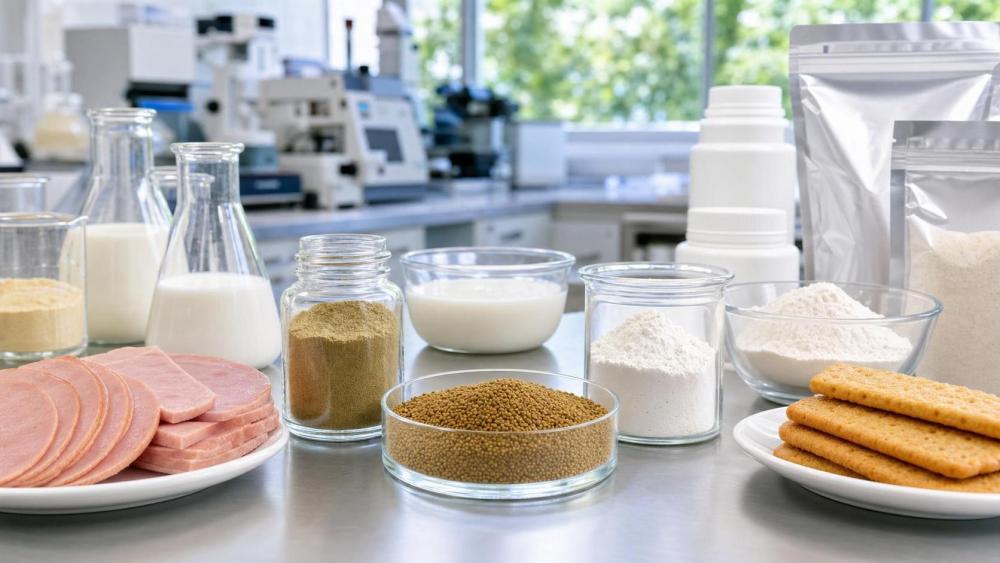
According to the provided information, the FDA formally recognized rosemary extract containing carboxylic acid-type carnosic acid, microencapsulated tea polyphenol preparations, and fermentation-derived L-ascorbyl palmitate as generally recognized as safe food additives. The GRAS notices are listed as GRN No. 1097–1099. The stated application areas are ready-to-eat meat products, plant-based dairy beverages, and baking premixes.
The same information also states that this recognition lowers compliance barriers for importers, shortens the launch cycle for new products, and provides a clearer market-entry path for Chinese suppliers exporting natural antioxidants.
Where the immediate business impact may appear
Import-side compliance becomes more operational
From an industry perspective, importers may be among the first to feel the effect because GRAS recognition can change how ingredient acceptance is discussed in product onboarding and cross-border supply arrangements. The most direct impact is likely to appear in compliance review, documentation preparation, and communication with downstream customers that require clearer regulatory positioning for ingredient use.
Formulators in targeted food categories gain clearer options
Manufacturers working in ready-to-eat meat, plant-based dairy drinks, and baking premixes may pay close attention because the recognized uses are linked to their formulation choices. Analysis shows that the practical effect is not only about ingredient selection, but also about whether product development teams can move faster when assessing antioxidant systems for these specific applications.
Export-oriented ingredient suppliers see a more defined route
For Chinese suppliers focused on natural antioxidants, the update matters because the provided information describes a clearer access pathway into the U.S. market. What deserves closer attention is how this affects qualification discussions, product dossiers, and delivery planning when responding to overseas customer inquiries tied to the newly recognized ingredients.
Supply-chain service providers may need to adjust support work
Service providers involved in regulatory support, trade documentation, and supply coordination may also see changes in demand. Observably, the key business link is not a broad market shift by itself, but more concrete requests related to paperwork consistency, ingredient identification, and communication around approved application scenarios.
What companies should watch next in practice
Keep the scope of use tied to the stated categories
Companies should focus on the product categories named in the provided information: ready-to-eat meat products, plant-based dairy beverages, and baking premixes. In practical terms, the immediate task is to align commercial discussions and internal reviews with these stated application areas rather than assuming broader use scenarios that were not provided in the input.
Separate regulatory recognition from commercial readiness
Analysis shows that GRAS recognition is a regulatory signal, but business execution still depends on how companies prepare specifications, customer-facing materials, and transaction documents. This distinction matters for teams handling procurement, sales support, and export delivery, especially when customers ask how quickly a compliant ingredient can be introduced into a new or reformulated product.
Review supplier qualifications and document flow
For buyers and distributors, one practical focus is whether supplier qualification files, technical descriptions, and transaction documents are consistent with the ingredient identity described in the recognition. This is particularly relevant for companies serving import channels or managing multiple supplier relationships for natural antioxidant systems.
Prepare for follow-up customer communication
Companies selling into the affected categories may need clearer communication with customers about what has been recognized, where it applies, and what remains subject to normal commercial and technical review. Observably, this is less about promotional messaging and more about reducing ambiguity during product evaluation and onboarding.
How this update is best understood right now
Analysis shows that this development is more than a routine notice for companies already working with natural antioxidants, but it should not be overstated as a fully market-defining shift. It is more appropriate to understand this as a concrete regulatory and market-access signal within specific application areas, with the strongest near-term relevance for compliance, formulation timing, and export coordination.
What deserves closer attention is whether companies treat the notice only as a headline or as an operational cue to review product pipelines, customer discussions, and supporting documentation. The update creates clearer conditions, but actual commercial impact will still depend on execution at the ingredient, customer, and supply-chain levels.
A measured takeaway for the market
The June 18 FDA action points to a clearer path for three natural antioxidant ingredients in defined food applications, while also lowering certain practical barriers described in the provided information. For the industry, the significance lies less in broad speculation and more in the immediate clarity it offers to importers, manufacturers, and export-oriented suppliers working around these product categories.
At this stage, it is more appropriate to understand the news as a targeted and actionable regulatory development with near-term business implications, while continuing to watch how companies translate that recognition into product launches, sourcing decisions, and customer approvals.
Basis of this article and what still needs verification
This article is based on the user-provided news title, event date, and summary information about the FDA GRAS update issued on June 18, 2026. For this type of industry news, relevant source categories typically include official announcements, company disclosures, industry association updates, authoritative media coverage, and standards-related documents.
A specific official source link was not provided in the input, so continued verification is still necessary. Follow-up attention should focus on any further official wording, downstream market interpretation, and how affected businesses apply the recognition in compliance materials, customer communication, and supply-chain execution.
Related News
- How natural antioxidants for oils can prevent rancidity in storageSep 25, 2026Food Preservation Scientist
- How to choose natural antioxidants for beverages with longer shelf lifeAug 23, 2026Food Preservation Scientist
- EU Tightens MRLs for Three Pesticides, Prompting Raw Material Checks for Natural Antioxidant ExportsAug 17, 2026Food Preservation Scientist
- China Customs Tightens Export Filing for Food Ingredients, Raising Clearance RisksAug 16, 2026Food Preservation Scientist
Related News
- 00
0000-00
How to assess color stability from a natural food colors manufacturer - 00
0000-00
When does amino acid surfactant powder improve cleanser mildness? - 00
0000-00
How to verify a cosmetic nanotechnology supplier's safety documentation - 00
0000-00
How rheological thickeners for shampoo affect suspension stability - 00
0000-00
How to assess recombinant collagen ingredients for cream stability
Food Preservation Scientist
Weekly Insights
Stay ahead with our curated technology reports delivered every Monday.