





Bioactive Peptides in Anti-Aging Formulas: What Matters
For beauty executives and ingredient strategists, bioactive peptides are no longer just premium label claims—they are molecular tools that can define efficacy, pricing power, and regulatory credibility in anti-aging formulas.
Yet not every peptide delivers visible value. Sequence design, skin penetration, stability, dosage, and clinical proof decide whether a formula becomes a performance asset.
At FFAI, bioactive peptides are viewed as high-end cosmetic actives where molecular precision must meet sensory elegance, compliance discipline, and commercial feasibility.
What Are Bioactive Peptides in Anti-Aging Skincare?
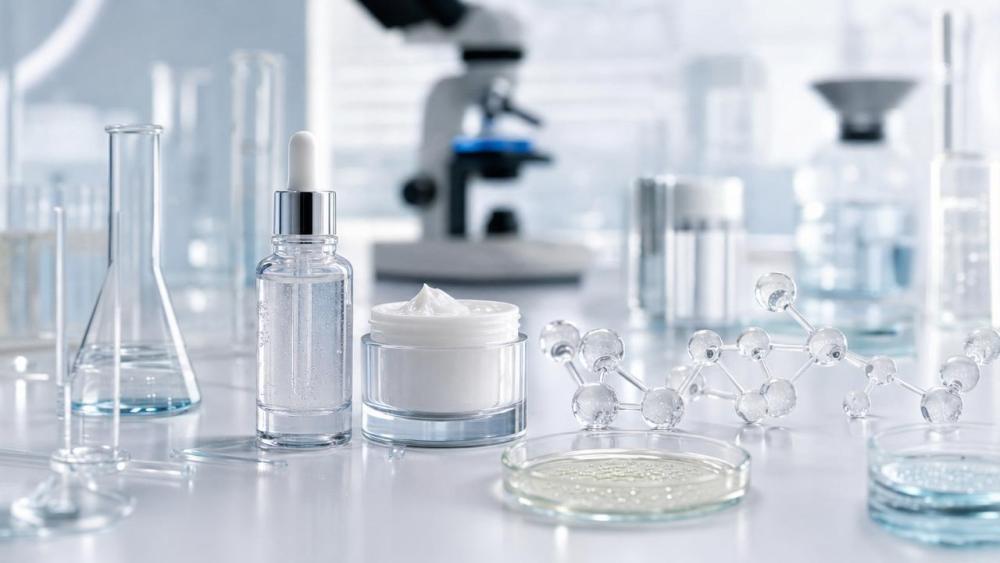
Bioactive peptides are short amino acid chains designed to interact with skin biology in targeted ways.
Unlike generic proteins, bioactive peptides usually have defined sequences, controlled molecular weight, and specific functional claims.
In anti-aging formulas, they often support collagen signaling, barrier recovery, firmness, wrinkle appearance, or visible skin resilience.
Common categories include signal peptides, carrier peptides, neurotransmitter-inspired peptides, and enzyme-modulating peptides.
Each group works differently, so comparing bioactive peptides only by price or percentage can mislead development decisions.
A strong peptide claim starts with a clear biological pathway, not a fashionable ingredient name.
Why does sequence design matter?
The sequence determines how bioactive peptides communicate with skin targets.
A small structural change can affect receptor affinity, solubility, stability, and irritation profile.
For premium formulas, documented sequence identity and impurity control are essential.
- Defined amino acid sequence
- Consistent molecular weight range
- Low residual solvent and impurity burden
- Compatibility with cosmetic regulatory files
How Should Bioactive Peptides Be Judged for Real Efficacy?
The first question is not whether bioactive peptides sound advanced.
The better question is whether they can survive the formula, reach the relevant skin layer, and act at a meaningful concentration.
In vitro data can show pathway potential, but consumer-visible anti-aging effects need stronger support.
A practical evaluation combines mechanism, delivery, dosage, formulation stability, and clinical relevance.
What level of evidence is convincing?
Cell assays can indicate whether bioactive peptides stimulate collagen markers or reduce inflammation signals.
Ex vivo skin models provide more realistic information about penetration and tissue response.
Controlled human studies remain the strongest support for wrinkle, firmness, elasticity, and radiance claims.
The most useful studies disclose dosage, duration, base formula, subject count, and measurement methods.
If the peptide supplier hides these details, the claim risk increases.
Which claims should be treated carefully?
Phrases like “Botox-like,” “gene repair,” or “age reversal” can create regulatory and credibility problems.
Bioactive peptides may support cosmetic appearance, but drug-like wording can cross compliance boundaries.
Better claims are measurable, cosmetic, and linked to available evidence.
- Helps improve the look of fine lines
- Supports visible firmness
- Helps skin appear smoother
- Supports barrier comfort and resilience
Can Bioactive Peptides Penetrate the Skin Barrier?
Skin penetration is one of the most decisive issues for bioactive peptides.
The stratum corneum is designed to block foreign molecules, especially larger or highly hydrophilic structures.
Many peptides need formulation support to improve contact, partitioning, and residence time.
Lipidation, encapsulation, solvents, humectants, and lamellar systems can influence delivery performance.
What formulation choices affect delivery?
A peptide serum is not automatically superior to a cream.
Vehicle architecture can determine whether bioactive peptides remain available or become trapped, degraded, or washed away.
pH, ionic strength, emulsifier type, preservatives, and fragrance allergens can all influence peptide behavior.
FFAI often frames peptide delivery as a balance between transdermal pharmacology and sensory compliance.
A formula that feels sticky may fail commercially, even if the active system looks strong on paper.
When is encapsulation useful?
Encapsulation can protect bioactive peptides from oxidation, hydrolysis, and incompatible excipients.
It may also improve deposition on the skin surface and controlled release.
However, encapsulation adds cost, testing needs, and supply complexity.
It should be selected because it solves a defined delivery problem.
How Do Stability, Processing, and Packaging Change Peptide Performance?
Bioactive peptides can be sensitive to heat, light, enzymes, oxidation, and pH drift.
A peptide that performs in a supplier ampoule may not survive a complex emulsion.
Stability testing should include accelerated conditions, freeze-thaw cycles, microbial challenge, and real-time confirmation.
Processing temperature matters because excessive heat can degrade sensitive peptide bonds.
Which compatibility risks are common?
Strong acids, strong bases, metal ions, and aggressive oxidants may reduce peptide integrity.
Some preservatives and surfactants can also affect solubility or sensory profile.
Fragrance systems deserve special attention because anti-aging users often expect comfort and low irritation.
Packaging should protect the formula from air, light, and repeated contamination.
Airless pumps and opaque containers often support better peptide stability than wide-mouth jars.
How should dosage be interpreted?
Peptide dosage can be confusing because suppliers may state active matter or solution concentration.
A 5% peptide blend may contain far less pure peptide than the label suggests.
Always separate use level, active content, recommended range, and proven clinical concentration.
This prevents overpaying for diluted bioactive peptides or underdosing a valuable sequence.
Which Bioactive Peptides Fit Different Anti-Aging Formula Strategies?
Different anti-aging products need different peptide logic.
A fast-smoothing eye serum may prioritize expression-line appearance and elegant glide.
A night cream may focus on firmness, barrier recovery, and compatibility with retinoids or ceramides.
A luxury ampoule may combine bioactive peptides with hyaluronic acid, antioxidants, and texture-enhancing rheology systems.
What combinations often make sense?
Bioactive peptides usually work best inside a system, not as isolated decoration.
Humectants improve immediate plumpness, while peptides support longer-term appearance benefits.
Antioxidants help defend the formula and skin surface against oxidative stress.
Barrier lipids reduce dryness, which can make fine lines look more pronounced.
- Peptides plus niacinamide for tone and resilience
- Peptides plus hyaluronic acid for plumpness
- Peptides plus ceramides for barrier support
- Peptides plus antioxidants for aging-stress positioning
What Mistakes Make Peptide Formulas Expensive but Weak?
The most common mistake is using bioactive peptides as label ornamentation.
A long peptide list can look impressive but perform poorly when each active is underdosed.
Another mistake is ignoring the base formula.
Poor texture, tackiness, pilling, or fragrance irritation can erase the perceived value of advanced actives.
Which red flags deserve attention?
Vague supplier dossiers are a serious warning sign.
If documentation lacks sequence identity, active concentration, safety data, or testing conditions, risk rises quickly.
Bioactive peptides should also be screened for allergen concerns, regional compliance, and claim language suitability.
For global launches, CPNP notifications, INCI accuracy, and local cosmetic rules require early planning.
Compliance should be built before marketing language is finalized.
How can cost be controlled without weakening value?
Cost control starts by selecting fewer, better-supported bioactive peptides.
A focused peptide architecture can be more credible than a crowded ingredient story.
Benchmarking should compare cost per active dose, not only cost per kilogram.
Pilot stability studies also prevent expensive reformulation after packaging or launch preparation.
FAQ: Practical Decisions on Bioactive Peptides
Final Takeaway: Build Peptide Value from Evidence, Not Hype
Bioactive peptides can strengthen anti-aging formulas when they are selected with scientific discipline.
The strongest products connect peptide sequence, delivery system, clinical evidence, sensory quality, and compliant communication.
The weakest products rely on ingredient theater, unclear dosage, and unverified claims.
A useful next step is to audit every peptide candidate against mechanism, active concentration, stability, penetration, safety, and documentation.
For FFAI’s intelligence framework, bioactive peptides are not just anti-aging ingredients.
They are molecular scalpels whose value depends on precision, proof, and formula intelligence.
Related News
- How to assess recombinant collagen ingredients for cream stabilityOct 02, 2026Cosmeceutical Formulator
- How to assess an anti-aging ingredients manufacturer’s batch consistencySep 17, 2026Cosmeceutical Formulator
- How to verify cosmetic peptide delivery compliance before launchAug 30, 2026Cosmeceutical Formulator
- When do biomimetic actives in North America justify a premium in anti-aging formulasAug 25, 2026Cosmeceutical Formulator
Related News
- 00
0000-00
How to assess color stability from a natural food colors manufacturer - 00
0000-00
When does amino acid surfactant powder improve cleanser mildness? - 00
0000-00
How to verify a cosmetic nanotechnology supplier's safety documentation - 00
0000-00
How rheological thickeners for shampoo affect suspension stability - 00
0000-00
How to assess recombinant collagen ingredients for cream stability
Cosmeceutical Formulator
Weekly Insights
Stay ahead with our curated technology reports delivered every Monday.