





Why Peptides Lose Power in Real Formulas
Peptides are among the most discussed cosmetic actives in modern anti-aging development.
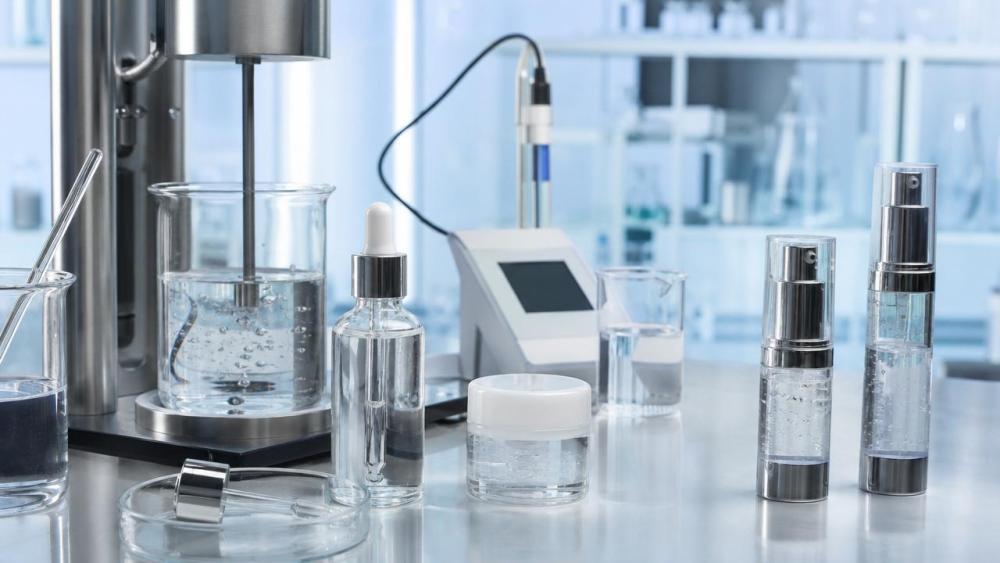
They promise firmer skin, better barrier support, and visible wrinkle reduction.
But strong peptide claims do not always translate into strong finished-product performance.
In practice, many peptide formulas fail because the surrounding system works against the active.
That can mean unstable pH, aggressive solvents, oxidation, or weak delivery design.
It can also mean a mismatch between marketing ambition and formulation reality.
For research-driven teams, the real question is not whether peptides work.
The better question is what quietly reduces peptide efficacy before consumers ever see results.
From recent formulation trends, one signal is clear.
Peptides perform best when the whole formula is built to protect them.
That includes raw material selection, process control, packaging, and claims discipline.
Common Peptide Formulation Mistakes
Several recurring errors show up across peptide serum, cream, and gel development.
Some look minor on paper, yet they can sharply reduce efficacy over shelf life.
1. Using the Wrong pH Window
Many peptides are sensitive to overly acidic or alkaline conditions.
A formula may look elegant but still create peptide degradation over time.
This often happens when peptides are combined with exfoliating acids without enough compatibility work.
It also appears in hybrid formulas chasing too many claims at once.
- Check supplier-recommended pH, not just the final target pH.
- Measure pH after full cooling, not only right after batching.
- Run stability checks because pH drift can damage peptides later.
2. Ignoring Heat Stress During Processing
Peptides are not just ingredients. They are structures that can be disrupted by heat.
If added too early, they may sit in elevated temperatures longer than necessary.
This is a common issue in emulsions with long hold times.
Even moderate heat exposure can lower active integrity, especially across repeated scale-up batches.
- Add peptides during cool-down whenever supplier guidance supports it.
- Control mixing time after addition to avoid unnecessary stress.
- Compare lab and pilot conditions because scale often changes thermal exposure.
3. Pairing Peptides with Incompatible Ingredients
Not every trendy active fits well with peptides in one bottle.
High acid loads, strong oxidants, and reactive metal contamination can compromise stability.
Some preservative systems may also create stress depending on peptide type and concentration.
This matters more when brands build crowded formulas for positioning rather than performance.
Stability Risks That Quietly Reduce Peptide Efficacy
A peptide formula can pass initial appearance checks and still lose effectiveness over months.
That is why stability planning matters as much as ingredient selection.
Oxidation and Trace Metal Exposure
Some peptides degrade faster when oxidation is not properly controlled.
Trace metals from water, equipment, or botanical extracts can make the situation worse.
This also means purified water quality and chelation strategy deserve close attention.
Water Activity and Preservative Balance
Peptide products often sit in water-rich systems, which raises preservation complexity.
A weak preservative system creates safety risk.
An overly aggressive one may stress the peptide or disrupt sensory quality.
The best approach is balance, not maximum force.
Poor Packaging Choices
Packaging errors are one of the most underestimated peptide mistakes.
Transparent jars, repeated finger contact, and high headspace oxygen all work against stability.
Airless pumps usually offer better protection for sensitive peptides.
In actual product development, packaging should be tested as part of the formula system.
Why Delivery Strategy Matters for Peptides
Even a stable peptide may underperform if it cannot reach the right skin layers effectively.
This is where many peptide claims become overly simplified.
Skin penetration is not guaranteed just because a formula includes a premium active.
Mistaking Concentration for Performance
A higher peptide dosage does not always mean better efficacy.
If the vehicle is poorly designed, more peptide may simply stay on the surface.
This can increase cost without improving visible results.
Overlooking the Base Formula
Humectants, film formers, emulsifiers, and solvents influence peptide delivery more than many teams expect.
A heavy base can trap the active.
A very volatile base can weaken residence time on skin.
So the peptide should never be evaluated in isolation.
Skipping Delivery Validation
Many teams rely on raw material stories but do not validate finished-formula behavior.
That creates a gap between supplier data and market reality.
For peptides, delivery testing, compatibility screening, and use-condition studies all matter.
How to Build Better Peptide Formulas
The good news is that most peptide formulation mistakes are preventable.
A more disciplined development process usually improves both efficacy and claim credibility.
Practical Development Checklist
- Choose peptides with clear technical documents and realistic use levels.
- Design the formula around peptide stability, not around a marketing headline.
- Control pH, oxygen exposure, heat history, and water quality from the start.
- Screen preservatives, chelators, and co-actives for compatibility.
- Test final packaging, not only bulk formula in lab containers.
- Validate claims with finished-product data whenever possible.
A Smarter Way to Evaluate Peptides
When comparing peptides, it helps to ask a few grounded questions.
- What stability data exists at the intended pH and temperature range?
- How does the peptide behave with the planned preservative system?
- Is the delivery system appropriate for the targeted skin benefit?
- Can the packaging preserve peptide quality through normal consumer use?
- Do the claims reflect finished-formula performance or only ingredient theory?
These questions slow down rushed decisions, but they often prevent expensive reformulation later.
Final Takeaway on Peptides and Formula Performance
Peptides can absolutely add value in advanced skin care.
Still, they are only as effective as the formula environment surrounding them.
Wrong pH, poor process control, unstable packaging, and weak delivery strategy all reduce peptide efficacy.
That also means better peptide products come from better systems thinking.
For teams assessing anti-aging actives, the most useful mindset is practical and evidence-based.
Look beyond the ingredient name.
Examine how peptides are processed, protected, delivered, and proven inside the final product.
That is usually where real efficacy is either preserved or lost.
If peptide performance matters, formulation discipline should come first.
Related News
- How to assess recombinant collagen ingredients for cream stabilityOct 02, 2026Cosmeceutical Formulator
- How to assess an anti-aging ingredients manufacturer’s batch consistencySep 17, 2026Cosmeceutical Formulator
- How to verify cosmetic peptide delivery compliance before launchAug 30, 2026Cosmeceutical Formulator
- When do biomimetic actives in North America justify a premium in anti-aging formulasAug 25, 2026Cosmeceutical Formulator
Related News
- 00
0000-00
Verifying halal status of hydrocolloid ingredients in the Middle East - 00
0000-00
How to interpret active matter on a surfactant specification sheet - 00
0000-00
What Quality Checks Should You Run on Fragrance Ingredient Suppliers? - 00
0000-00
How to assess a flavor chemistry manufacturer's batch consistency - 00
0000-00
What drives fragrance ingredients price changes in bulk orders?
Cosmeceutical Formulator
Weekly Insights
Stay ahead with our curated technology reports delivered every Monday.