





Search Intent Judgment
The core search intent behind “cosmetic peptide ingredients for serums” is comparative evaluation. The reader is not only asking what peptides exist, but which peptide categories best support credible anti-aging serum claims.
These information-driven researchers usually care most about four issues: efficacy logic, claim fit, formulation practicality, and whether a peptide can stand up to scientific and market scrutiny.
The most useful content for them is a decision-oriented comparison. They need to understand which peptide types are best for wrinkles, firmness, repair, hydration support, and premium positioning.
The article should therefore prioritize peptide classification, claim suitability, mechanism, formulation limits, and selection criteria. Broad skincare basics and generic anti-aging advice should be minimized.
Introduction
Choosing the right cosmetic peptide ingredients for serums matters most when an anti-aging claim needs to look credible both scientifically and commercially.
Not all peptides play the same role. Some are better for wrinkle-focused messaging, some fit firmness and repair positioning, and others support a premium technical story without guaranteeing dramatic visible outcomes.
For most anti-aging serum concepts, signal peptides and selected carrier peptides usually offer the strongest fit because they connect clearly to collagen support, skin renewal, and visible aging concerns.
That said, the best answer depends on what the serum is supposed to claim, how advanced the formula is, and how much supporting evidence the brand expects from each ingredient.
Why peptide choice matters more than simply adding a peptide
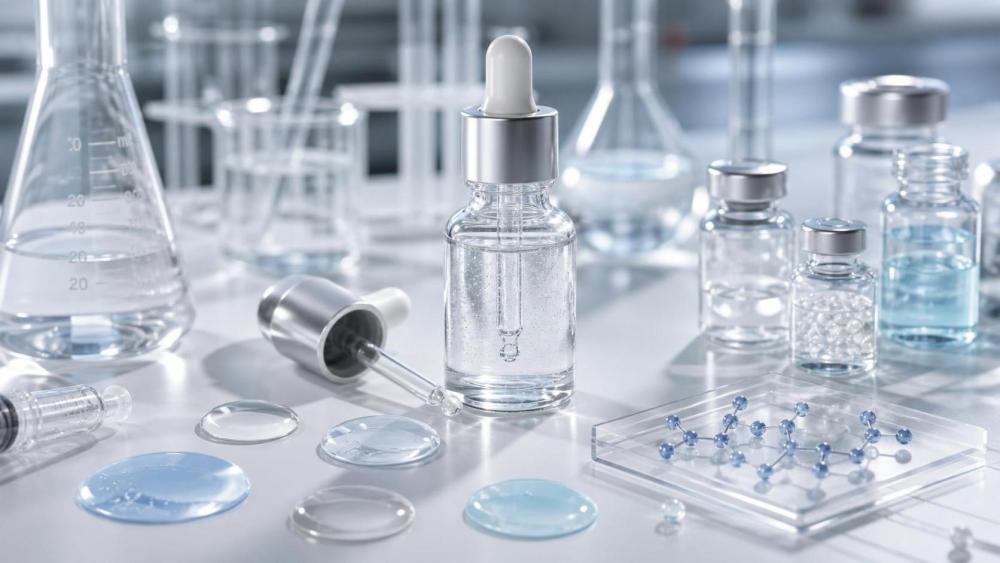
In serum development, “contains peptides” is no longer a strong differentiator by itself. Buyers, formulators, and claim reviewers increasingly want to know what kind of peptide is being used and why.
A peptide selected for anti-aging should match a defined product promise. If the claim is wrinkle smoothing, the peptide strategy will differ from a serum positioned for barrier recovery or elasticity support.
This is where many concept-stage formulas become weak. They include a fashionable peptide, but the mechanism, dosage logic, and claim language do not align closely enough to create a convincing product story.
For information researchers comparing cosmetic peptide ingredients for serums, the key question is not which name sounds premium. It is which peptide class best supports the intended anti-aging narrative.
Which peptide categories fit anti-aging serum claims best
In practical formulation and marketing terms, anti-aging serum peptides are often grouped into signal peptides, carrier peptides, neurotransmitter-inhibiting peptides, and enzyme-inhibiting or repair-oriented peptides.
Among these, signal peptides are often the most versatile for classic anti-aging claims. They are commonly used to support messaging around collagen renewal, dermal matrix quality, and visible wrinkle improvement.
Carrier peptides also fit well, especially when the serum is positioned as high-performance or technology-led. Their value often comes from helping deliver trace elements associated with skin function.
Neurotransmitter-inhibiting peptides are usually more relevant when the claim leans toward expression line softening or smoothing. They can be attractive commercially, though claim wording needs discipline.
Repair-related peptides can support broader healthy-aging narratives. These work best when the serum is positioned around recovery, resilience, or post-stress skin performance rather than instant wrinkle correction alone.
Signal peptides: often the strongest match for classic anti-aging claims
If a brand wants an anti-aging serum that speaks to firmness, fine lines, and collagen support, signal peptides are often the safest and strongest category to evaluate first.
These peptides are typically described as molecular messengers that encourage skin to behave in a more youthful way, especially in relation to extracellular matrix components such as collagen and elastin.
That mechanism fits what anti-aging consumers already understand. When people buy a serum for aging concerns, they are often looking for visible improvement in wrinkles, bounce, and structural skin quality.
Because of that alignment, signal peptides frequently support clearer communication than more exotic actives. Their story is easier to connect with anti-aging expectations without relying on overstated claims.
Common examples in the market include palmitoyl pentapeptide derivatives and palmitoyl tripeptide combinations. These are widely recognized in premium skincare and often appear in wrinkle-care serum concepts.
For researchers, the main advantage is positioning clarity. If the product brief centers on collagen support and smoother-looking skin over time, signal peptides usually deserve priority consideration.
Carrier peptides: strong for premium and performance-led serum positioning
Carrier peptides are another important category when selecting cosmetic peptide ingredients for serums. They are especially relevant in products marketed as advanced, concentrated, or clinically inspired.
A well-known example is copper peptide chemistry, often associated with skin conditioning, repair support, and overall appearance improvement. These ingredients tend to attract technically curious audiences.
Their anti-aging fit is strong, but slightly different from signal peptides. Rather than focusing only on collagen messaging, carrier peptides often support a broader performance narrative around skin quality and vitality.
That broader narrative can be a commercial advantage. It allows brands to speak about firmness, texture, recovery, and healthy-looking skin in a way that feels sophisticated rather than narrowly cosmetic.
However, carrier peptides may introduce more formulation sensitivity. Compatibility, color, pH behavior, and interactions with other active ingredients can matter more than marketers sometimes expect.
For that reason, carrier peptides are often best for brands willing to invest in tighter formula engineering and more disciplined efficacy communication, rather than simply chasing a trending anti-aging label.
Neurotransmitter-related peptides: best for expression line and smoothing claims
Some peptide ingredients are popular because they are linked to a “relaxed look” or reduced appearance of expression lines. These are often described as neurotransmitter-inhibiting peptides in market language.
They can be effective from a claims perspective when used carefully. In serum positioning, they usually fit best in products aimed at forehead lines, crow’s feet, and visible surface smoothing.
Their appeal is easy to understand because the consumer benefit sounds immediate and specific. That can make them useful in anti-aging assortments that want a more targeted wrinkle story.
Still, this category requires careful wording. Strong comparisons to invasive procedures or exaggerated muscle-action implications can create credibility and compliance problems across different markets.
For information-led buyers, the value of these peptides lies in targeted positioning rather than broad anti-aging leadership. They are often better as part of a wrinkle-focused story than a total rejuvenation narrative.
Can one peptide support every anti-aging serum claim? Usually not
One of the most common mistakes in peptide selection is expecting a single ingredient to justify every anti-aging benefit on pack. That is rarely realistic.
Wrinkle reduction, elasticity improvement, hydration support, barrier comfort, and radiance do not all come from the same biological pathway. A peptide may contribute meaningfully to one or two of these areas.
That is why the strongest serum concepts usually begin with a hierarchy of claims. The formulator decides the primary benefit first, then chooses peptide ingredients that reinforce that specific direction.
For example, a collagen-oriented serum may use signal peptides as the hero. A skin recovery serum may lean more heavily on carrier or repair-support peptides, supported by humectants and soothing ingredients.
From an editorial and SEO perspective, readers gain more value from this decision framework than from long ingredient lists. They want judgment, not just taxonomy.
What researchers should check before deciding a peptide is “best”
The word “best” only becomes meaningful when readers evaluate peptides against real development criteria. Anti-aging fit is not based on popularity alone.
First, check claim alignment. Does the peptide’s mechanism and available supplier evidence clearly support wrinkle, firmness, repair, or smoothing language relevant to the serum brief?
Second, review evidence quality. Many peptides have attractive stories, but the strength of supporting data varies widely. In vitro findings, ex vivo data, and controlled use tests do not carry the same weight.
Third, consider concentration logic and formula context. A peptide with excellent literature value may underperform in a serum if the finished formula undermines stability or skin feel.
Fourth, assess compatibility with other hero actives. Retinoids, acids, vitamin C systems, niacinamide, and metal-sensitive ingredients can affect how elegantly a peptide fits into a real serum architecture.
Finally, think about commercial interpretation. Some peptides are easier to explain to buyers, distributors, and end consumers. Others are technically interesting but harder to translate into persuasive product communication.
How formulation practicality changes peptide suitability
In theory, many peptides sound promising. In practice, serum performance depends on solubility, pH range, preservation strategy, packaging, and interaction with the rest of the formula.
This is particularly important in anti-aging serums because they often combine several actives in one product. The more crowded the formula, the more carefully peptide compatibility must be managed.
A peptide may have an elegant efficacy story but still be a poor choice if it destabilizes the formula, creates odor or color issues, or forces compromises elsewhere in the active system.
Texture also matters. Since serums are expected to feel light, fast-absorbing, and premium, the peptide system has to work inside that sensory target rather than fight against it.
For researchers comparing ingredients at an early stage, this is a useful reality check. The best cosmetic peptide ingredients for serums are not only biologically interesting, but formulation-friendly enough to survive launch.
Best-fit peptide strategies by anti-aging claim direction
If the anti-aging claim centers on collagen support and visible wrinkle care, signal peptides are often the best starting point. They offer the clearest fit with mainstream age-defying expectations.
If the serum is positioned as regenerative, high-tech, or professional-grade, carrier peptides can strengthen the premium performance narrative, especially when paired with disciplined supporting evidence.
If the concept focuses on expression lines and smoothing, neurotransmitter-related peptides may be appropriate, provided the brand uses measured and compliant claim language.
If the product story is about resilience, recovery, and healthy-aging support, repair-oriented peptide systems may be more relevant than wrinkle messaging alone.
In many cases, the strongest result comes from combining peptide logic with complementary actives. Peptides often perform best as part of a system rather than as isolated claim anchors.
Final assessment: which cosmetic peptide ingredients for serums fit anti-aging claims best
For most anti-aging serum concepts, signal peptides remain the most broadly suitable choice. They align well with collagen-related positioning, consumer expectations, and classic wrinkle-care communication.
Carrier peptides are a close second for brands that want a more advanced technical identity and are prepared to manage formulation complexity more carefully.
Neurotransmitter-related peptides have value, but they work best in narrower smoothing or expression-line stories rather than as universal anti-aging solutions.
The real answer, then, is not one peptide name but one disciplined selection method. The best ingredient is the one whose mechanism, evidence, formula fit, and claim language all point in the same direction.
For information researchers, that is the most reliable way to judge cosmetic peptide ingredients for serums: prioritize claim coherence over trend value, and choose peptide systems that can perform scientifically, commercially, and practically.
Related News
- How to assess recombinant collagen ingredients for cream stabilityOct 02, 2026Cosmeceutical Formulator
- How to assess an anti-aging ingredients manufacturer’s batch consistencySep 17, 2026Cosmeceutical Formulator
- How to verify cosmetic peptide delivery compliance before launchAug 30, 2026Cosmeceutical Formulator
- When do biomimetic actives in North America justify a premium in anti-aging formulasAug 25, 2026Cosmeceutical Formulator
Related News
- 00
0000-00
Verifying halal status of hydrocolloid ingredients in the Middle East - 00
0000-00
How to interpret active matter on a surfactant specification sheet - 00
0000-00
What Quality Checks Should You Run on Fragrance Ingredient Suppliers? - 00
0000-00
How to assess a flavor chemistry manufacturer's batch consistency - 00
0000-00
What drives fragrance ingredients price changes in bulk orders?
Cosmeceutical Formulator
Weekly Insights
Stay ahead with our curated technology reports delivered every Monday.