





Why the Best Transdermal Penetration Enhancer for Anti-Aging Formulas Matters More Than Ever
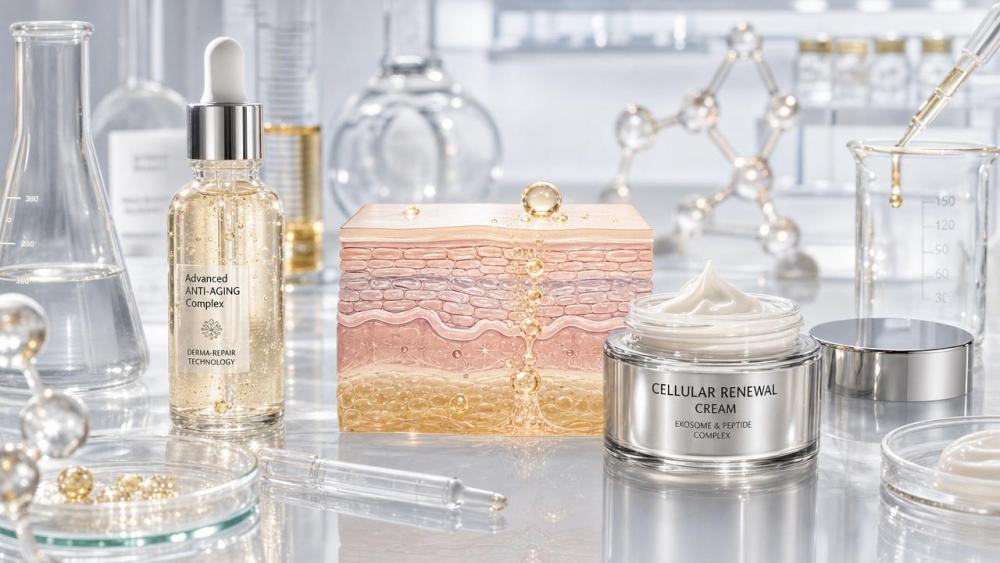
Choosing the best transdermal penetration enhancer for anti-aging formulas is no longer a minor lab decision. It now shapes efficacy claims, risk exposure, and long-term brand value.
In premium skincare, consumers expect visible results from peptides, retinoids, niacinamide, and advanced botanical actives. Yet many anti-aging molecules struggle to cross the stratum corneum efficiently.
That is where a transdermal penetration enhancer for anti-aging becomes commercially important. It helps the formula deliver more active where performance actually happens.
From a business angle, better delivery can improve claim support, reduce waste of expensive actives, and strengthen premium product positioning without simply raising dosage.
More importantly, the best transdermal penetration enhancer for anti-aging formulas must balance efficacy with safety, skin feel, stability, and regulatory fit across regions.
That balance is exactly where many projects succeed or fail. A strong enhancer can elevate a hero serum. A poor choice can trigger irritation, compliance issues, or disappointing repeat purchase.
What a Transdermal Penetration Enhancer for Anti-Aging Actually Does
A transdermal penetration enhancer for anti-aging modifies how an active moves through the skin barrier. It may disrupt lipid packing, improve solubility, or increase partitioning into the skin.
In practical formulation work, enhancers often support fragile or high-value ingredients that otherwise remain too superficial. This is especially relevant for peptides and larger anti-aging actives.
Common categories include solvents, fatty acids, glycols, terpenes, phospholipid systems, microemulsions, and encapsulation-assisted delivery technologies.
However, not every enhancer works equally well for every anti-aging formula. The active’s polarity, molecular weight, required dose, and claim pathway all affect selection.
This also means the best transdermal penetration enhancer for anti-aging is rarely the strongest one on paper. It is the one that performs well inside the full commercial formula.
Key Selection Criteria for the Best Transdermal Penetration Enhancer for Anti-Aging
When comparing options, the smartest evaluation starts with business goals, not ingredient hype. In real projects, six criteria usually matter most.
- Delivery efficiency: Can it improve penetration of the target anti-aging active at a realistic use level?
- Safety profile: Does it maintain low irritation and good tolerability in leave-on applications?
- Formula compatibility: Does it stay stable with peptides, acids, antioxidants, emulsifiers, and preservatives?
- Sensory impact: Does it preserve elegant spreadability, low tack, and a premium after-feel?
- Regulatory fit: Is it suitable for intended markets, claims strategy, and dossier preparation?
- Cost efficiency: Does it reduce overall cost-in-use by improving active utilization or lowering required dosage?
This framework helps teams avoid a common mistake. They focus on technical penetration alone, then discover later that the texture feels harsh or the claims pathway becomes complicated.
A good transdermal penetration enhancer for anti-aging should therefore support both the lab brief and the shelf strategy.
Comparing Main Enhancer Types for Anti-Aging Formulas
Different enhancer families solve different problems. The table below gives a practical comparison for anti-aging product selection.
From a market perspective, phospholipid and encapsulated systems are gaining attention. They support a stronger premium story while helping justify higher retail pricing.
Still, the best transdermal penetration enhancer for anti-aging formulas depends on the desired balance between claim ambition, cost, and manufacturing complexity.
How to Match the Enhancer with the Active Ingredient
Selection becomes clearer when the enhancer is matched to the active, not treated as a separate add-on. That sounds simple, but it changes decision quality fast.
For peptides, the priority is usually gentle delivery and stability protection. Aggressive systems may undermine the very premium positioning the peptide was meant to create.
For retinoids, the conversation often shifts toward balancing penetration with irritation management. Controlled delivery can outperform brute-force enhancement.
For antioxidants like CoQ10 or ferulic acid, solubility and oxidation protection become equally important. The transdermal penetration enhancer for anti-aging must support both uptake and stability.
For botanical extracts, batch variability adds another layer. A delivery system that works beautifully with one extract may behave differently with another supplier lot.
This is why serious sourcing teams ask for active-specific evidence, not generic penetration claims copied from unrelated applications.
Risk Signals to Watch Before Final Supplier Selection
A supplier may present strong efficacy data, yet hidden risks still remain. In actual business evaluation, several warning signs deserve close attention.
- Data lacks context, such as test concentration, skin model, or comparison benchmark.
- Irritation data is missing for leave-on, repeated-use, or sensitive-skin scenarios.
- The enhancer performs only in simplified lab systems, not in finished emulsions or gels.
- Global documentation is weak, especially for EU, US, and Asia-Pacific commercialization.
- Supply consistency is unclear, creating future scale-up or reformulation risks.
A robust transdermal penetration enhancer for anti-aging should come with technical transparency. That includes mechanism explanation, formulation boundaries, and realistic use guidance.
The more premium the product strategy, the more expensive weak documentation becomes later.
A Practical Evaluation Framework for Commercial Teams
To identify the best transdermal penetration enhancer for anti-aging formulas, a structured scorecard works better than intuition alone.
- Define the hero active, target claim, and required depth of delivery.
- Shortlist enhancer types based on compatibility and positioning level.
- Request active-specific efficacy and safety evidence from suppliers.
- Evaluate texture, odor, and after-feel in the final base.
- Stress-test stability under intended packaging and climate conditions.
- Review regulatory support and long-term supply reliability.
- Model total formula economics, not just ingredient price per kilogram.
This process often reveals a useful truth. The cheapest enhancer is rarely the lowest-cost decision once reformulation, claims weakness, and sensory compromise are included.
In high-end skincare, the right transdermal penetration enhancer for anti-aging can create a stronger performance-to-price ratio across the full product lifecycle.
Final Take: What the Best Choice Usually Looks Like
The best transdermal penetration enhancer for anti-aging formulas is not defined by marketing claims alone. It combines measurable delivery, skin comfort, stable processing, and clean commercial logic.
For many premium anti-aging projects, gentle advanced delivery systems outperform aggressive enhancers. They support better consumer experience and stronger long-term brand trust.
In other words, the best transdermal penetration enhancer for anti-aging is the one that helps expensive actives prove their value without creating new formulation liabilities.
That is why smart selection starts early, with technical validation, supplier scrutiny, and a realistic view of regulatory and sensory expectations.
When those pieces align, a transdermal penetration enhancer for anti-aging becomes more than an ingredient choice. It becomes a strategic lever for efficacy, differentiation, and premium growth.
Related News
- How to evaluate anti-aging cosmetic compounds for wrinkle careOct 01, 2026Cosmeceutical Formulator
- How scientific anti-aging skincare targets wrinkles at the cellular levelSep 22, 2026Cosmeceutical Formulator
- What drives Pro-Xylane price differences between cosmetic suppliers?Sep 09, 2026Cosmeceutical Formulator
- Pro-Xylane in Skincare: What Sets Its Anti-Wrinkle Claims ApartJul 15, 2026Cosmeceutical Formulator
Related News
- 00
0000-00
How to assess color stability from a natural food colors manufacturer - 00
0000-00
When does amino acid surfactant powder improve cleanser mildness? - 00
0000-00
How to verify a cosmetic nanotechnology supplier's safety documentation - 00
0000-00
How rheological thickeners for shampoo affect suspension stability - 00
0000-00
How to assess recombinant collagen ingredients for cream stability
Cosmeceutical Formulator
Weekly Insights
Stay ahead with our curated technology reports delivered every Monday.