





Effective May 1, 2026, China implemented a zero-tariff policy on chili imports from 53 African countries with which it maintains diplomatic relations. This measure has triggered rapid growth in imports of dried chilies—particularly from Rwanda—and intensified demand for natural food preservative ingredients such as capsaicin and dihydrocapsaicin. Food ingredient suppliers, seasoning manufacturers, and health-oriented snack producers are now adjusting procurement strategies, making this development highly relevant for the natural preservatives, flavor enhancement, and agri-food trade sectors.
Event Overview
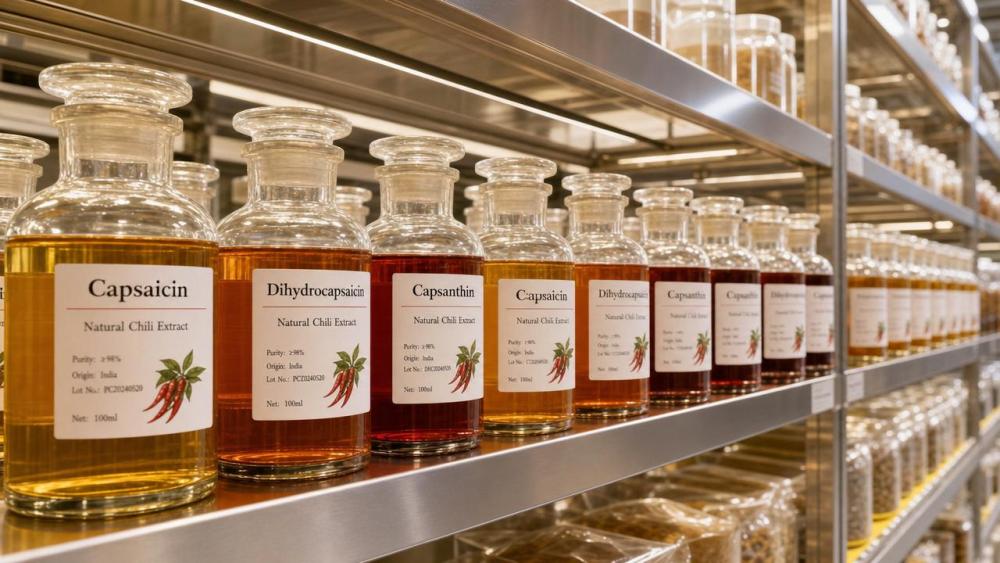
As of May 1, 2026, China applied zero tariffs on chili imports from 53 African countries with formal diplomatic ties. Publicly reported outcomes include a 300% year-on-year increase in Rwandan dried chili exports to China and an expansion of domestic chili cultivation area to 300 hectares. Chili extract—containing capsaicin and dihydrocapsaicin—is being procured in volume by leading Chinese condiment and healthy snack enterprises as a natural food preservative and flavor enhancer. Concurrently, orders for synergistic natural antioxidants—including capsanthin and rosemary acid—have risen.
Impact on Specific Industry Segments
Direct Trade Enterprises
These firms handle cross-border chili shipments and customs clearance. The zero-tariff policy directly reduces landed cost and improves margin visibility for African-origin chilies. Impact is most evident in faster customs clearance cycles and increased shipment frequency from priority origin countries such as Rwanda.
Raw Material Procurement Teams
Procurement units at food additive, seasoning, and functional snack companies face revised sourcing benchmarks. With rising demand for capsaicin-rich extracts and capsanthin–rosemary acid blends, inventory planning and supplier qualification timelines are shortening. Ingredient traceability and origin verification have become more operationally critical.
Processing & Manufacturing Firms
Manufacturers using chili-derived actives in preservative systems or clean-label flavor formulations are experiencing tighter lead times for key intermediates. Batch consistency and analytical specifications (e.g., capsaicinoid concentration, solvent residue limits) are receiving heightened internal review amid scaling procurement volumes.
Supply Chain Service Providers
Logistics integrators, cold-chain operators, and testing labs serving the natural ingredients segment report higher inquiry volume for African-sourced chili materials. Demand is emerging for origin-specific documentation support (e.g., phytosanitary certificates, tariff classification guidance) and pre-shipment quality screening aligned with Chinese GB standards.
Key Considerations for Relevant Businesses and Practitioners
Monitor official implementation updates and product scope clarifications
The current policy applies specifically to chilies; however, future tariff adjustments may extend to related extracts or derivatives. Businesses should track announcements from China’s Ministry of Finance, General Administration of Customs, and the Ministry of Commerce for potential scope expansions or technical regulatory updates (e.g., import registration requirements for chili-based food additives).
Focus on verified origin sources and compliant processing pathways
Rwanda is currently the most documented beneficiary, but procurement teams should assess whether other eligible African countries possess scalable, GMP-aligned drying and extraction capacity. Attention should be paid to post-harvest handling methods affecting capsaicin stability and microbial load—factors that influence both regulatory acceptance and formulation performance.
Distinguish between policy signal and commercial readiness
While the tariff reduction is effective, actual supply chain integration—including logistics infrastructure, certification alignment, and quality assurance protocols—varies across African exporting regions. Companies should treat early-stage volume increases as indicative rather than representative of long-term scalability until consistent delivery performance is demonstrated.
Prepare for upstream coordination and specification alignment
Procurement and R&D teams should jointly review technical dossiers for chili extracts—especially capsaicinoid profiles, residual solvents, and heavy metal thresholds—to ensure compatibility with existing food safety management systems. Preemptive engagement with third-party labs familiar with both African export standards and Chinese GB 2760/GB 14880 requirements is advisable.
Editorial Perspective / Industry Observation
Observably, this policy functions primarily as a market-access enabler—not yet a fully matured supply channel. The 300% export growth from Rwanda reflects initial responsiveness, but sustained volume depends on consistent quality, reliable logistics, and harmonized food safety documentation. Analysis shows the rise in demand for capsanthin–rosemary acid combinations signals growing industry preference for multi-functional, plant-based preservation systems—not merely substitution for synthetic alternatives. From an industry perspective, this development is better understood as an inflection point in sourcing diversification, rather than an immediate wholesale shift in raw material strategy.
In summary, the zero-tariff policy marks a tangible step toward deepening agricultural trade links between China and Africa, with measurable near-term effects on natural preservative ingredient procurement. Its broader significance lies not in isolated tariff removal, but in how it accelerates operational attention to origin integrity, botanical standardization, and regulatory interoperability across the natural food ingredients value chain. Currently, it is more appropriately interpreted as an evolving opportunity requiring measured, evidence-based engagement—not a self-executing market transformation.
Source: Official tariff schedule announcement (effective May 1, 2026), publicly reported export data from Rwanda’s National Agricultural Export Development Board, and procurement activity disclosures from Chinese seasoning and healthy snack enterprises. Note: Long-term cultivation expansion rates, full list of qualifying African exporters, and regulatory status of specific chili-derived additives remain under observation and subject to further official clarification.
Related News
- What drives fragrance ingredients price changes in bulk orders?Oct 12, 2026Prof. Elian Thorne
- How to assess a food antioxidants distributor’s traceability practicesOct 11, 2026Food Preservation Scientist
- How minimum order quantities shape private label ingredient sourcing costsOct 10, 2026Prof. Elian Thorne
- What drives personal care ingredient price volatility in sourcingOct 08, 2026Prof. Elian Thorne
Related News
- 00
0000-00
What drives fragrance ingredients price changes in bulk orders? - 00
0000-00
How to assess a food antioxidants distributor’s traceability practices - 00
0000-00
How minimum order quantities shape private label ingredient sourcing costs - 00
0000-00
What drives personal care ingredient price volatility in sourcing - 00
0000-00
What drives micelles price differences in cosmetic formulations?
Industry Global
Weekly Insights
Stay ahead with our curated technology reports delivered every Monday.