





Choosing the right flavor enhancers in water-soluble formats requires more than picking the strongest taste booster. Solubility, pH tolerance, heat stability, off-note control, and label positioning all change performance in finished systems. In beverages, soups, sauces, supplements, and dairy alternatives, what works best is the option that survives processing while delivering a clean, repeatable sensory lift.
For FFAI readers tracking ingredient intelligence across food, fragrance, and active formulation, water-soluble flavor enhancers sit at the intersection of sensory science, regulatory review, and commercial practicality. A technically sound choice improves taste impact, reduces dosage waste, and supports cleaner, more stable formulas across global FMCG applications.
Why a checklist is essential when evaluating water-soluble flavor enhancers
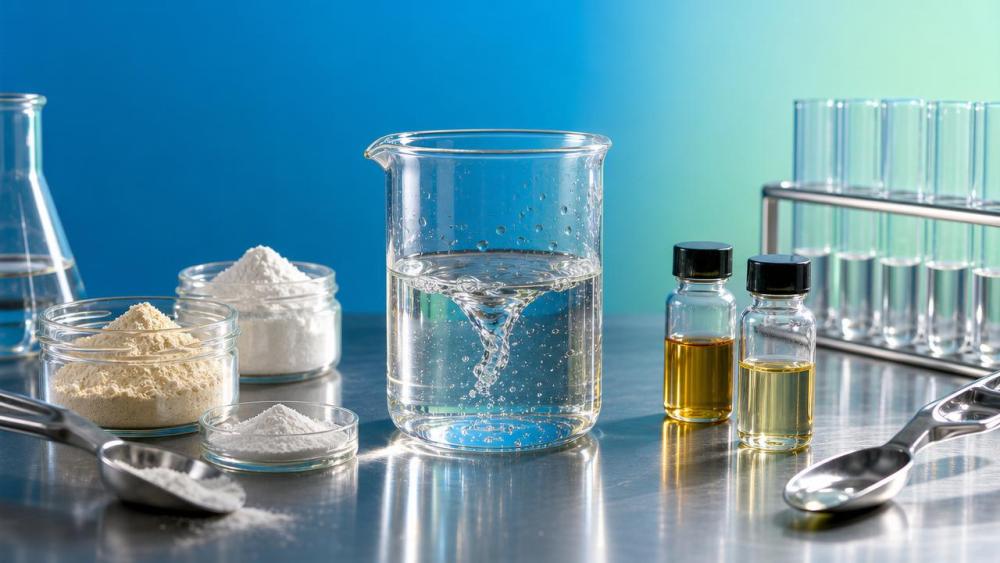
Many water-soluble flavor enhancers appear similar on a specification sheet. In actual use, however, they behave differently under pasteurization, carbonation, mineral load, and storage stress. A checklist prevents decisions based only on bench-top taste.
It also helps compare classic enhancers, yeast-derived notes, amino acid systems, nucleotide blends, and natural reaction flavors using the same technical criteria. That creates a clearer path from screening to scale-up.
Core checklist: what works best in water-soluble flavor enhancers
Use the following checklist to rank flavor enhancers by formulation fit rather than by marketing claims alone.
- Verify dissolution speed in cold and warm water, because slow hydration can create cloudiness, flavor hotspots, or batch inconsistency during high-throughput processing.
- Check sensory performance at target pH, especially below pH 4.0, where some savory and kokumi-style flavor enhancers lose impact or become unbalanced.
- Measure heat stability through pasteurization, UHT, or retort, since thermal exposure can flatten top notes or intensify sulfurous, bitter, or metallic side tones.
- Compare dosage efficiency in the final matrix, because the best water-soluble option often delivers the same sensory lift at lower inclusion levels.
- Assess interaction with sweeteners, salts, acids, proteins, and minerals, as these components can amplify, mask, or distort the intended flavor enhancement effect.
- Review label fit and regional compliance early, especially for MSG alternatives, yeast extracts, natural flavors, and nucleotide-containing systems.
- Screen for off-note suppression, not just flavor intensity, since effective flavor enhancers often improve acceptance by reducing bitterness, astringency, or plant notes.
- Test storage stability across light, oxygen, and humidity exposure, because water-soluble powders and liquids can drift in potency over shelf life.
- Match the enhancer to the application goal, whether boosting umami, extending sweetness perception, adding mouthfulness, or restoring flavor after sugar or sodium reduction.
- Run pilot-scale validation before approval, since shear, hold time, and production sequence often change how flavor enhancers perform versus lab samples.
Which water-soluble formats usually perform best
No single format wins in every case. Still, a few patterns are consistent. Powdered flavor enhancers generally offer better transport efficiency, longer shelf stability, and easier dry blending. Liquid formats often provide faster dosing, simpler dispersion, and tighter process control in beverage lines.
For clean-label positioning, yeast extracts, fermented savory concentrates, and selected natural flavors often work best where moderate umami and mouthfeel are needed. For stronger impact, nucleotide blends and glutamate-based systems usually remain the most efficient, especially in savory applications.
Application-specific guidance for flavor enhancers
Beverages and functional drinks
In beverages, water-soluble flavor enhancers must dissolve fast, stay clear, and remain stable at low pH. They are often used to soften high-intensity sweetener edges, cover vitamin bitterness, or rebuild body lost in sugar reduction.
The best options here are usually liquid modulators, acid-stable natural flavors, or low-dosage masking systems. Heavy savory enhancers rarely fit unless the beverage is a broth, protein drink, or meal-replacement format.
Soups, sauces, and instant savory systems
This is where classic flavor enhancers often perform best. MSG, disodium inosinate, disodium guanylate, yeast extract, and hydrolyzed protein systems deliver strong umami, roundness, and persistence in water-based savory matrices.
If sodium reduction is part of the brief, blended systems usually outperform single ingredients. Combining nucleotides with yeast-derived notes can maintain depth while limiting the salty or overly direct profile of standalone enhancers.
Plant-based foods and protein systems
Plant proteins bring bitterness, beany notes, dryness, and lingering aftertaste. In this category, the best water-soluble flavor enhancers are often those that both mask and build body.
Kokumi-active systems, yeast extracts, and tailored reaction flavors can improve mouthfulness and reduce hollow taste. Success depends on matching the enhancer to the protein source, since pea, soy, oat, and rice each create different sensory problems.
Reduced-sugar and reduced-salt products
When sugar or salt drops, flavor architecture collapses quickly. Water-soluble flavor enhancers that extend sweetness, reinforce mid-palate, or restore savory continuity become especially valuable.
The best approach is rarely a single additive. Layering sweetness modulators with acid balancing, bitterness maskers, and umami support usually gives more natural recovery than increasing one enhancer alone.
Commonly overlooked issues and risk points
Ignoring process order. Some flavor enhancers perform well only when added after heat treatment or after pH adjustment. Early addition can reduce impact or create avoidable aroma loss.
Overlooking mineral interactions. Calcium, magnesium, and iron can shift taste perception, especially in fortified beverages and medical nutrition products. Bench screening in purified water is not enough.
Confusing intensity with quality. A stronger enhancer is not always better. Excessive umami, sweetness extension, or masking can make a product taste artificial, muddy, or tiring.
Neglecting regional labeling expectations. Even compliant flavor enhancers may face resistance if the label conflicts with a clean-label or natural-positioning strategy in a target market.
Skipping accelerated stability work. Water activity, oxygen ingress, and packaging materials can all affect sensory retention. What tastes ideal at day one may drift significantly by month six.
Practical execution steps for better selection
- Define the sensory task first: enhance umami, mask bitterness, rebuild mouthfeel, or support sweetness persistence.
- Build a short list of water-soluble flavor enhancers by pH range, label type, and expected process stress.
- Run side-by-side tests in the real matrix, not in water alone, using fixed dosage intervals and blind sensory scoring.
- Record not only peak flavor but also onset, linger, aftertaste, and interaction with sweeteners, salts, and proteins.
- Confirm stability after thermal treatment and shelf-life simulation before moving to commercial validation.
Conclusion: what works best depends on fit, not hype
The best water-soluble flavor enhancers are the ones that align with matrix chemistry, process conditions, dosage economics, and label goals. In savory products, glutamate and nucleotide systems still lead on efficiency. In clean-label and plant-based applications, yeast extracts, natural modulators, and layered masking systems often provide better balance.
A disciplined checklist makes the selection process faster and more reliable. Start with solubility, pH, heat, and sensory function. Then validate in the final application under real production conditions. That is usually what works best when choosing flavor enhancers with confidence.
Related News
- When heat stable flavor formulations are needed for UHT beveragesOct 04, 2026Aromatics & Perfumery Fellow
- How heat stable flavor formulations prevent aroma loss in baked goodsOct 03, 2026Aromatics & Perfumery Fellow
- Using 4-vinyl guaiacol flavour standard to calibrate sensory panelsOct 02, 2026Aromatics & Perfumery Fellow
- Garlic Powder Flavor Profiles and Their Role in Seasoning BlendsSep 28, 2026Aromatics & Perfumery Fellow
Related News
- 00
0000-00
What drives fragrance ingredients price changes in bulk orders? - 00
0000-00
How to assess a food antioxidants distributor’s traceability practices - 00
0000-00
How minimum order quantities shape private label ingredient sourcing costs - 00
0000-00
What drives personal care ingredient price volatility in sourcing - 00
0000-00
What drives micelles price differences in cosmetic formulations?
Aromatics & Perfumery Fellow
Weekly Insights
Stay ahead with our curated technology reports delivered every Monday.