





Why flavor masking decisions change from one formula context to another
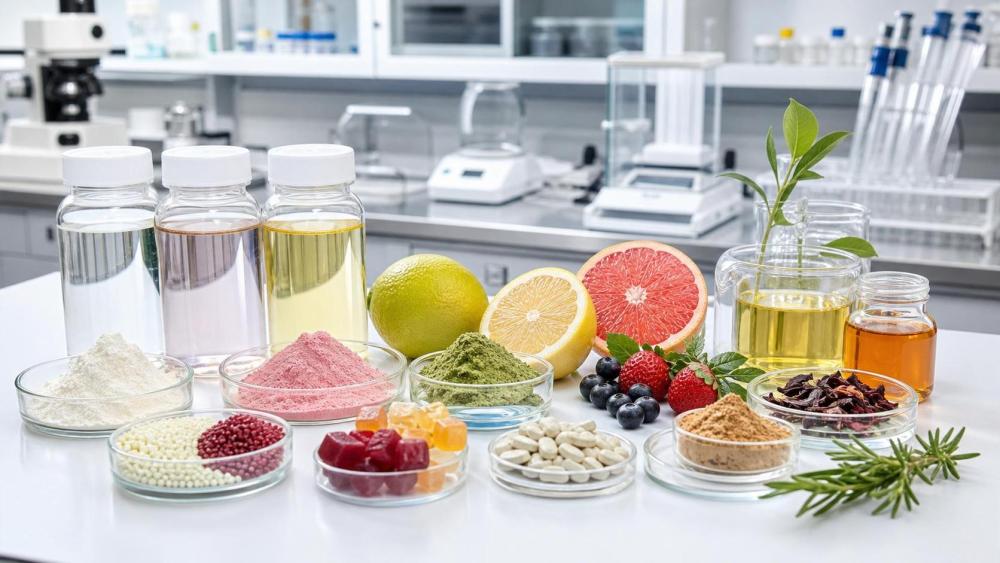
Bitter actives rarely fail because efficacy is weak. They fail because the sensory experience feels medicinal, dry, metallic, or lingering.
That is why flavor masking matters across functional foods, supplements, personal care ingestibles, and other active ingredient systems.
In real formulation work, the best flavor masking method depends on more than bitterness intensity.
Matrix pH, process temperature, shelf life, label goals, aroma profile, and active release all change the right answer.
This is especially relevant in FMCG development, where taste, compliance, ingredient story, and cost have to move together.
Within the broader FFAI perspective, flavor masking is not an isolated taste trick.
It sits beside preservation, rheology, aroma engineering, and active stability as part of one sensory system.
A masking solution that tastes acceptable on day one but breaks under heat, oxidation, or moisture is usually the wrong solution.
In practice, the bitterness source usually tells you where to start
Not all bitter formulas behave the same way, even when panel scores look similar.
Caffeine, botanical extracts, amino acids, mineral salts, peptides, and some cosmetic-adjacent nutricosmetic actives create different aftertastes.
Some hit fast and fade. Others build slowly and remain on the back palate for minutes.
That difference shapes flavor masking strategy.
- Fast, sharp bitterness often responds well to sweetness modulation and top-note aroma balancing.
- Long, lingering bitterness usually needs encapsulation, blockers, or release control.
- Metallic or mineral bitterness often requires acid profile adjustment and mouthfeel support.
- Green botanical harshness may need both flavor masking and selective aroma redirection.
A common mistake is assuming one strong sweetener can solve all of these problems.
In many formulas, sweetness only covers the front end while the bitter tail remains obvious.
Beverage systems often reward layered flavor masking, not one aggressive fix
Ready-to-drink products, shots, electrolyte blends, and powdered beverages face a hard reality.
Consumers notice bitterness faster in liquids because release is immediate and uniform.
Here, flavor masking usually works best when several tools share the load.
What usually works in liquid formats
Sweet modulators help round harsh edges without forcing a syrupy profile.
Acid balance can shift perception, especially when bitterness carries a chalky or mineral impression.
Aroma balancing is also powerful. Citrus, berry, ginger, coffee, or dark fruit notes can redirect attention effectively.
Hydrocolloids may add body and reduce sensory sharpness, which fits the FFAI view that rheology supports flavor performance.
In clean-label beverage concepts, natural flavors and texture support often outperform heavy sweetener use.
Still, if the active is highly bitter, basic flavor masking may not be enough.
That is where microencapsulation or bitterness blockers deserve a closer look.
Solid dose and chewable formats follow a different flavor masking logic
Tablets, gummies, chewables, stick packs, and sachets seem easier because the active is not always fully exposed at once.
But the sensory challenge can be more stubborn.
Chew time extends contact with taste receptors, and powder residues can intensify bitter perception.
In these formats, flavor masking is often less about top-note excitement and more about controlling release and residue.
Where encapsulation becomes more valuable
Coated particles can delay contact between saliva and bitter compounds.
This is especially useful for plant extracts, minerals, and peptide-rich systems.
A well-selected coating also protects sensitive actives from moisture and oxidation.
That dual role matters when formulas also contain antioxidants, natural pigments, or volatile flavor systems.
Gummies and chewables often benefit from a combination of acid modulation, fruit profile design, and particulate masking.
Trying to mask everything through sweetness alone can leave a heavy finish and raise formulation cost.
When active value is high, protecting performance matters as much as hiding bitterness
Some bitter formulas include premium botanical fractions, peptides, bioferments, or beauty-from-within actives.
In those cases, flavor masking cannot compromise bioavailability, dosage accuracy, or ingredient story.
A cheap masking layer that interferes with release may reduce the perceived product value more than the bitterness itself.
This is where FFAI-style intelligence becomes useful.
The question is not only which flavor masking method tastes best, but which one preserves function under real processing conditions.
Heat during drying, moisture migration during storage, and interactions with preservatives or thickeners can all shift outcomes.
Different flavor masking methods solve different business constraints
The best sensory result is not always the best commercial choice.
Some flavor masking methods are effective but expensive, hard to scale, or difficult to position under clean-label expectations.
Others are easy to implement but less stable over time.
- Sweet modulators are practical and fast, but may leave profile gaps in very bitter formulas.
- Bitterness blockers can be precise, though regulatory and regional acceptance should be checked early.
- Encapsulation supports both flavor masking and active protection, but adds process complexity and cost.
- Aroma balancing is flexible, yet it works best when bitterness is moderate rather than extreme.
- Texture adjustment can soften perception, but it must fit the intended drinking or chewing experience.
A more reliable judgment method is to rank priorities before selecting the masking tool.
Usually the ranking includes sensory target, label direction, process tolerance, shelf-life risk, and delivered cost.
The biggest mistakes happen when similar formulas are treated as identical
One common misread is borrowing a flavor masking system from a neighboring category without checking use conditions.
A mask that performs well in a low-acid protein beverage may collapse in a botanical shot.
Another mistake is judging flavor masking only on freshly made samples.
Bitterness often reappears after heat treatment, oxygen exposure, or moisture migration during storage.
There is also a cost trap.
A cheaper masking flavor may require higher dosage, extra sweetener, and reformulation time, making total cost worse.
In practice, the better question is not whether a method works, but under which conditions it keeps working.
A practical way to choose the right flavor masking path
For most bitter functional formulas, no single flavor masking method wins in every situation.
Liquids often benefit from layered sensory balancing.
Chewables and powders more often need release control.
High-value actives usually justify flavor masking strategies that also protect stability and efficacy.
Before moving forward, map the bitterness type, processing stress, label target, and shelf-life expectations in one comparison sheet.
Then test at least two routes: one built around sensory adjustment, and one built around protection plus masking.
That side-by-side view usually reveals which flavor masking solution is truly practical for the formula, not just promising in theory.
For teams tracking global FMCG opportunities, this approach also aligns taste performance with compliance, ingredient value, and long-term brand credibility.
Related News
- When heat stable flavor formulations are needed for UHT beveragesOct 04, 2026Aromatics & Perfumery Fellow
- How heat stable flavor formulations prevent aroma loss in baked goodsOct 03, 2026Aromatics & Perfumery Fellow
- Using 4-vinyl guaiacol flavour standard to calibrate sensory panelsOct 02, 2026Aromatics & Perfumery Fellow
- Garlic Powder Flavor Profiles and Their Role in Seasoning BlendsSep 28, 2026Aromatics & Perfumery Fellow
Related News
- 00
0000-00
What drives fragrance ingredients price changes in bulk orders? - 00
0000-00
How to assess a food antioxidants distributor’s traceability practices - 00
0000-00
How minimum order quantities shape private label ingredient sourcing costs - 00
0000-00
What drives personal care ingredient price volatility in sourcing - 00
0000-00
What drives micelles price differences in cosmetic formulations?
Aromatics & Perfumery Fellow
Weekly Insights
Stay ahead with our curated technology reports delivered every Monday.