





In confectionery manufacturing, a single off-note, texture drift, or aroma imbalance can turn a compliant product into a commercial failure.
Sensory analytics for confectionery products helps detect flavor risks earlier, connect deviations with process variables, and protect brand trust before shelf exposure.
Why Sensory Analytics for Confectionery Products Needs a Checklist
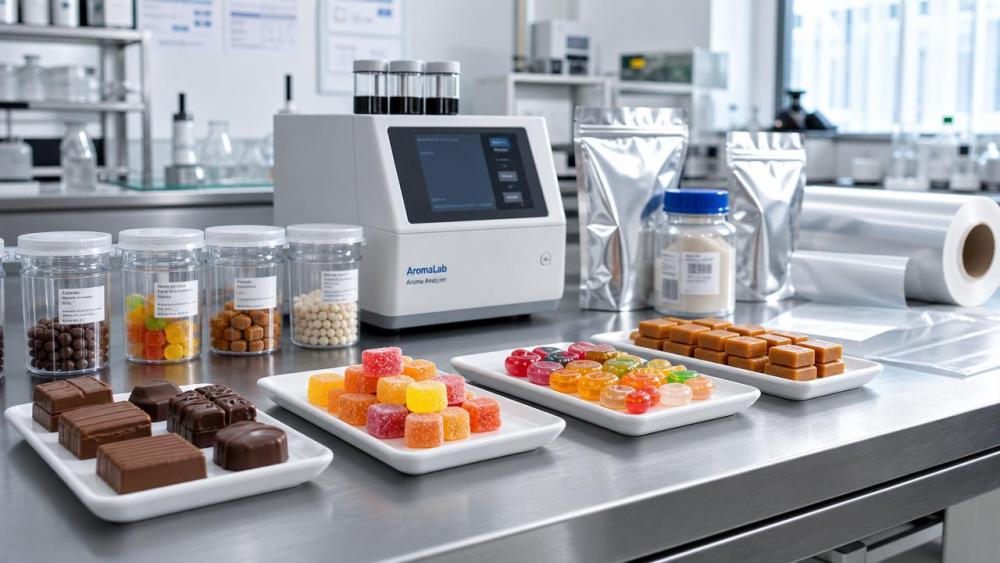
Confectionery quality depends on fragile interactions between sugar systems, fats, acids, colors, flavors, humectants, and packaging barriers.
A checklist prevents sensory decisions from becoming subjective reactions after complaints, failed launches, or unstable pilot batches.
Sensory analytics for confectionery products translates taste, aroma, mouthfeel, and visual cues into traceable quality signals.
It also links panel observations with volatile profiles, moisture migration, crystallization, oxidation, and thermal history.
Without structured sensory control, a product may pass microbiology, labeling, and composition tests while still failing consumers.
Core Checklist for Reducing Flavor Failure Risk
Use this checklist to build sensory analytics for confectionery products into routine quality, formulation, and release decisions.
- Define the target sensory profile before trials, including aroma impact, sweetness curve, acidity balance, aftertaste, texture breakdown, and expected finish.
- Create a defect vocabulary covering rancid fat, burnt sugar, cardboard, bitter linger, metallic notes, stale cocoa, artificial fruit, and waxy mouthfeel.
- Train panelists with reference standards, not memory, so sensory analytics for confectionery products remains repeatable across shifts and sites.
- Separate freshness, process, storage, and packaging evaluations to avoid confusing root causes behind the same perceived flavor deviation.
- Measure volatile compounds by GC-MS or equivalent tools when aroma loss, solvent notes, or flavor imbalance appears repeatedly.
- Track water activity, moisture migration, and glass transition changes because texture drift often changes perceived sweetness and flavor release.
- Compare fat oxidation markers with sensory descriptors when chocolate, nut fillings, wafers, or cream centers show stale or paint-like notes.
- Validate heat exposure during cooking, extrusion, roasting, or depositing because overprocessing can flatten top notes and intensify bitterness.
- Audit flavor dosing accuracy, mixing order, and holding time, especially when high-impact aroma molecules are used at trace levels.
- Run accelerated shelf-life testing with sensory checkpoints, not only chemical endpoints, to catch early aroma fade and texture instability.
- Benchmark new samples against retained market controls so sensory analytics for confectionery products stays connected to real purchase expectations.
- Set rejection thresholds for off-notes, color drift, stickiness, bloom, grittiness, and aftertaste before production pressure influences decisions.
How to Connect Sensory Data with Process Variables
Effective sensory analytics for confectionery products does not stop at describing defects.
It asks what changed in the formula, raw material, equipment, environment, or packaging system.
- Map each sensory attribute to a likely variable, such as pH, fat type, moisture, emulsifier level, or cooking temperature.
- Record batch timing, hold conditions, cooling rate, and deposit temperature beside panel scores for stronger root-cause evidence.
- Use control charts for key descriptors, including fruit intensity, cocoa depth, sweetness onset, chew resistance, and residual bitterness.
- Review supplier changes through paired sensory testing before assuming equivalent flavor behavior in finished confectionery systems.
This approach makes sensory analytics for confectionery products useful for both prevention and investigation.
It also prevents debates where chemistry, processing, and tasting teams defend separate interpretations of the same failure.
Application Notes for Chocolate, Gummies, Hard Candy, and Chews
Chocolate and Compound Coatings
Chocolate systems are vulnerable to fat bloom, oxidation, alkalization differences, and flavor absorption from packaging.
Sensory analytics for confectionery products should compare snap, melt, cocoa intensity, dairy notes, and waxy residues.
When nuts, wafers, or inclusions are present, evaluate each component separately before judging the complete bite.
Gummies and Jellies
Gummies require close attention to acidity, flavor release, chew recovery, stickiness, and moisture balance.
Gelatin, pectin, starch, and carrageenan systems can deliver the same flavor differently because aroma release depends on network structure.
Use sensory analytics for confectionery products to test whether fruit identity remains clear after storage and temperature abuse.
Hard Candy and Lollipops
Hard candy failures often appear as burnt notes, acid harshness, surface stickiness, or fading top notes.
Check cooking endpoint, acid addition point, flavor volatility, and packaging water vapor transmission.
Sensory analytics for confectionery products should include dissolve rate because perception changes as the candy thins.
Caramels, Toffees, and Chewy Sweets
Caramelized systems need control of cooked notes, dairy depth, salt balance, and chew resistance.
Slight overheating can move pleasant caramel into scorched sugar, while undercooking can create weak body and raw dairy notes.
Apply sensory analytics for confectionery products across warm, ambient, and chilled conditions when distribution temperatures fluctuate.
Commonly Ignored Risks in Sensory Control
Packaging scalping is often missed.
Some films, inks, liners, and closures absorb delicate aroma compounds or transfer unwanted notes into high-fat products.
Panel fatigue weakens defect detection.
Sweet, sour, mint, and spicy samples can saturate perception quickly, making randomized order and palate breaks essential.
Color bias changes flavor judgment.
A brighter red candy may be rated as fruitier even when volatile composition is unchanged.
Regional preference can hide failure signals.
Sensory analytics for confectionery products should separate local sweetness preference from universal defects such as rancidity or chemical notes.
Ingredient purity changes aroma behavior.
Trace impurities in acids, colors, botanical extracts, or flavor carriers can become obvious in low-moisture sweets.
Practical Execution Plan for Reliable Decisions
Start with a sensory risk map for every product family.
List critical attributes, likely defects, analytical methods, responsible checkpoints, and escalation rules.
- Build a retained sample library covering approved batches, borderline batches, accelerated-aged samples, and known defects for calibration.
- Schedule routine panels at raw material approval, pilot scale, first production, mid-shelf life, and end-of-life testing.
- Pair descriptive analysis with consumer relevance when reformulation changes sweeteners, acids, flavor systems, or clean-label ingredients.
- Use decision gates that combine panel score, analytical result, deviation history, and complaint probability before release approval.
- Document sensory analytics for confectionery products in a searchable database, including lot numbers, storage conditions, and corrective actions.
A simple dashboard can show whether flavor intensity, texture, or aroma defects are drifting before specifications are breached.
For high-risk launches, add sensory holds after shipping simulation, heat exposure, and light exposure.
This gives sensory analytics for confectionery products a preventive role instead of a complaint-response function.
Choosing Indicators That Actually Predict Failure
Not every pleasant descriptor deserves measurement.
Focus on indicators that change before rejection, complaints, or visible defects appear.
- Select aroma loss markers for products relying on citrus, berry, mint, vanilla, coffee, or delicate floral top notes.
- Select oxidation indicators for nut, cocoa, dairy, wafer, and cream systems containing vulnerable lipid fractions.
- Select texture indicators for gummies, marshmallows, caramels, nougat, and filled candies where mouthfeel drives acceptance.
- Select aftertaste indicators for reduced-sugar, high-intensity sweetener, fortified, botanical, or functional confectionery concepts.
The best sensory analytics for confectionery products combines human perception with chemistry, physics, and formulation history.
This combination reduces false alarms while catching hidden failures that instruments alone may miss.
Summary and Next Actions
Flavor failure risk is rarely caused by one variable.
It usually emerges from interactions among aroma chemistry, texture systems, processing stress, packaging, storage, and expectation.
Sensory analytics for confectionery products turns those interactions into practical checkpoints that support safer launches and steadier quality.
Begin by defining target profiles, training panels, mapping defects, validating instruments, and linking every deviation to a process variable.
Then review the checklist at each formula change, supplier change, scale-up, shelf-life test, and market complaint investigation.
With disciplined sensory analytics for confectionery products, flavor risk becomes measurable, explainable, and correctable before commercial damage occurs.
Related News
- When heat stable flavor formulations are needed for UHT beveragesOct 04, 2026Aromatics & Perfumery Fellow
- How heat stable flavor formulations prevent aroma loss in baked goodsOct 03, 2026Aromatics & Perfumery Fellow
- Using 4-vinyl guaiacol flavour standard to calibrate sensory panelsOct 02, 2026Aromatics & Perfumery Fellow
- Garlic Powder Flavor Profiles and Their Role in Seasoning BlendsSep 28, 2026Aromatics & Perfumery Fellow
Related News
- 00
0000-00
What drives fragrance ingredients price changes in bulk orders? - 00
0000-00
How to assess a food antioxidants distributor’s traceability practices - 00
0000-00
How minimum order quantities shape private label ingredient sourcing costs - 00
0000-00
What drives personal care ingredient price volatility in sourcing - 00
0000-00
What drives micelles price differences in cosmetic formulations?
Aromatics & Perfumery Fellow
Weekly Insights
Stay ahead with our curated technology reports delivered every Monday.