





Essential Oil Applications Across Modern Product Design
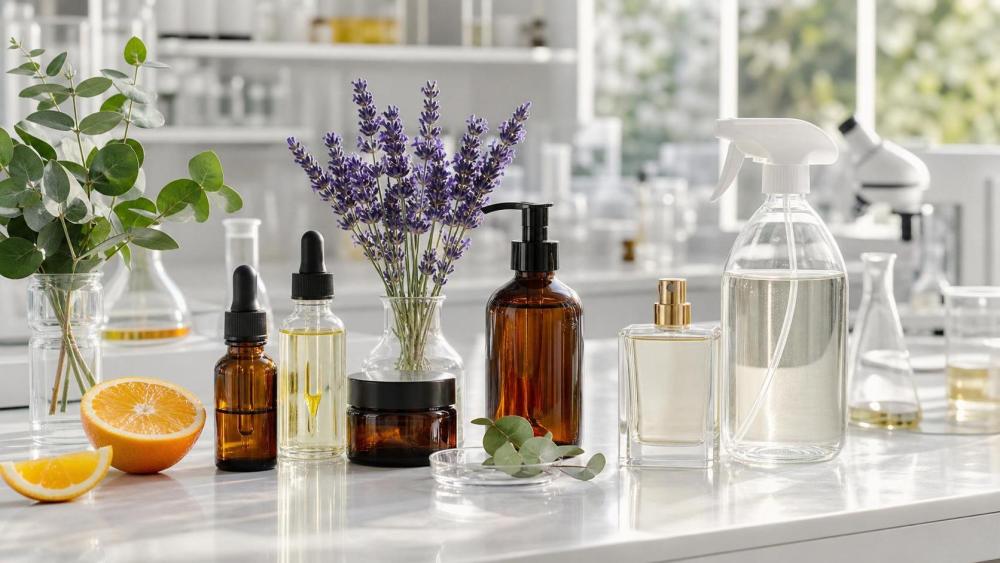
Essential oil applications are moving from niche craft use to mainstream product strategy.
That shift is easy to see in skincare, fragrance, and home care.
Brands now want aroma, performance, and safety to work together, not separately.
This makes essential oil applications more valuable, but also more complex.
A pleasant scent alone is no longer enough in competitive FMCG markets.
Products must deliver stability, compatibility, compliance, and a strong user experience.
In practical terms, essential oil applications connect sensory science with formulation logic.
They influence top notes, afterfeel, freshness cues, and even perceived product quality.
They also affect oxidation risk, packaging choice, and preservative support.
From a market angle, cleaner labels and botanical positioning add more momentum.
FFAI tracks this intersection closely across taste, beauty, and ingredient intelligence.
The core question is simple: where do essential oil applications create real value?
The answer depends on use level, formula structure, and end-use expectations.
Why Essential Oil Applications Matter in Skincare
In skincare, essential oil applications usually start with sensorial positioning.
Lavender suggests calm, tea tree suggests cleansing, and citrus suggests freshness.
Still, good skincare use goes beyond fragrance storytelling.
Some essential oil applications support the perceived performance of serums, masks, and cleansers.
For example, rosemary and chamomile profiles can strengthen a natural care concept.
Peppermint may add a cooling cue in scalp or foot products.
Eucalyptus can reinforce a purifying identity in wash-off formulas.
However, skincare is where risk becomes more visible.
Many essential oil applications face irritation concerns, especially in leave-on products.
Photosensitive oils, unstable terpenes, and allergen disclosure all matter.
That is why usage limits and regional rules must guide every formula decision.
From recent market changes, the clearer signal is selective use.
Brands increasingly choose low-dose, high-purity oils with defined sensory roles.
This approach protects skin tolerance while preserving botanical appeal.
Best-fit skincare formats
- Facial cleansers with mild freshness and short contact time.
- Clay masks where aroma supports a spa-like treatment experience.
- Body oils blended with carrier oils for softer fragrance diffusion.
- Scalp products where cooling or herbal notes add a functional cue.
Key formulation checks
- Confirm dermal limits for each oil and each target market.
- Review oxidation stability and antioxidant support options.
- Check solubilization, emulsion behavior, and packaging compatibility.
- Avoid overloading formulas with too many active scent components.
Essential Oil Applications in Fine Fragrance and Personal Scent
Fragrance is the most intuitive field for essential oil applications.
Here, essential oils help shape naturality, depth, and emotional recognition.
Citrus oils brighten openings, florals soften transitions, and woods anchor dry-down.
Yet modern fragrance work rarely relies on raw romanticism alone.
Essential oil applications must balance artistry with consistency and supply reliability.
Natural variation between harvests can shift odor profile, color, and strength.
That also means batch control is not optional.
In real business settings, fragrance houses often blend naturals with synthetics.
This creates a more stable signature while keeping a natural story.
The smartest essential oil applications use each oil for a clear olfactive purpose.
For instance, bergamot may lift the top, while patchouli adds body.
Frankincense can add texture and sophistication in premium blends.
This more deliberate use improves cost efficiency and scent precision.
Where fragrance brands gain value
- Natural storytelling that feels credible rather than exaggerated.
- Better scent layering through recognizable botanical signatures.
- Premium positioning tied to sourcing, purity, and extraction method.
- Differentiation in wellness-inspired or clean beauty fragrance lines.
How Essential Oil Applications Improve Home Care Experience
Home care is now one of the fastest-growing spaces for essential oil applications.
Consumers increasingly connect scent with cleanliness, comfort, and trust.
That makes aroma a functional part of surface sprays, laundry products, and air care.
Lemon, pine, eucalyptus, and orange remain strong category signals.
They tell the user what the product is supposed to do before performance appears.
This is why essential oil applications in home care influence perceived efficacy.
A sharp citrus note can make a degreaser feel more active.
A soft lavender accord can make fabric care feel calmer and cleaner.
Even so, strong scent does not guarantee a better formula.
Operators need to watch flash point, surfactant interaction, and storage stability.
Some oils discolor over time or lose brightness in alkaline systems.
Others need encapsulation or special solubilizers for clearer performance.
More importantly, home care claims must remain realistic and compliant.
Essential oil applications should support the formula, not replace cleaning science.
High-potential home care uses
- Multi-surface cleaners with citrus or herbal freshness.
- Laundry liquids that leave a softer natural scent trail.
- Dishwashing products that communicate grease-cutting confidence.
- Room sprays and diffusers built around mood and atmosphere.
Selection, Safety, and Performance Criteria
The best essential oil applications begin with disciplined ingredient selection.
Price alone is a weak filter, especially in premium or regulated categories.
A useful evaluation framework usually includes five checkpoints.
- Identity: verify botanical source, extraction method, and composition range.
- Purity: screen for dilution, contamination, and oxidation markers.
- Safety: assess allergens, dermal limits, and regional regulations.
- Performance: test odor retention, stability, and matrix compatibility.
- Supply: confirm batch consistency and long-term sourcing resilience.
This also explains why intelligence-led sourcing matters more than ever.
FFAI follows these decisions through compliance, efficacy, and market economics.
For fast-moving teams, a smaller approved palette often works better.
It reduces complexity while improving quality control and formula repeatability.
Quick reference table
Practical Steps for Better Essential Oil Applications
If performance is the goal, essential oil applications need a working process.
A simple and useful path can keep development focused.
- Start with the product job, not the oil trend.
- Choose oils that match both function and emotional positioning.
- Test at realistic dose ranges, including stress and shelf conditions.
- Review safety documents before scaling or claim development.
- Refine the blend until scent, stability, and cost stay balanced.
This method keeps essential oil applications practical instead of purely aspirational.
It also aligns with stronger market expectations around safety and traceability.
Across skincare, fragrance, and home care, the winning pattern is consistent.
Use essential oil applications where they add clear sensory and commercial value.
Keep the formula grounded in technical evidence, not just natural image.
That balance is where better products, safer outcomes, and stronger brand trust begin.
Related News
- Which essential oil applications suit sensitive skincare formulas?Sep 28, 2026Aromatics & Perfumery Fellow
- Essential Oil Extracts Price: What Drives Cost Differences in 2026Jul 12, 2026Aromatics & Perfumery Fellow
- Supercritical Essential Oil Applications: Best Uses by Product TypeJul 10, 2026Aromatics & Perfumery Fellow
- Ningbo Tightens CO₂ Extract Shipping DeclarationsJul 09, 2026Aromatics & Perfumery Fellow
Related News
- 00
0000-00
Verifying halal status of hydrocolloid ingredients in the Middle East - 00
0000-00
How to interpret active matter on a surfactant specification sheet - 00
0000-00
What Quality Checks Should You Run on Fragrance Ingredient Suppliers? - 00
0000-00
How to assess a flavor chemistry manufacturer's batch consistency - 00
0000-00
What drives fragrance ingredients price changes in bulk orders?
Aromatics & Perfumery Fellow
Weekly Insights
Stay ahead with our curated technology reports delivered every Monday.