





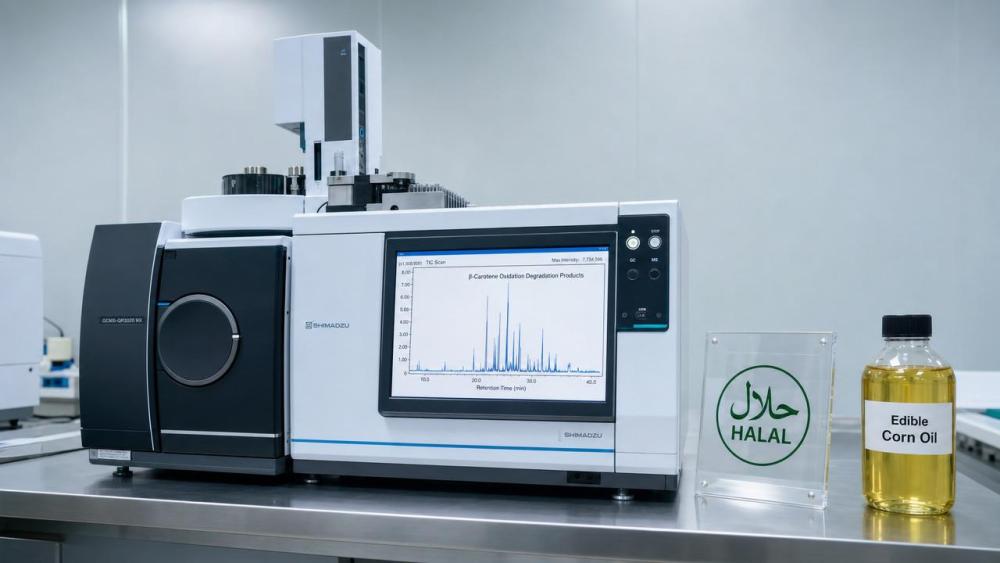
On May 13, 2026, the East African Community (EAC) issued a draft standard titled Edible Corn Oil – Specification, introducing new mandatory requirements for imported corn oil—including Halal certification and analytical testing for peroxide value, anethole residue, and oxidative degradation products of natural colorants such as β-carotene. The proposal directly impacts exporters of natural colorants from China and other supplier countries.
EAC Releases Draft Corn Oil Standard with Expanded Certification and Testing Requirements
In May 2026, the East African Community (EAC) published the draft Edible Corn Oil – Specification. The document stipulates that all imported edible corn oil must carry valid Halal certification and undergo laboratory testing for peroxide value, anethole residue, and oxidative degradation markers of natural colorants—including β-carotene. The draft does not specify a final adoption date but initiates the regional notification and stakeholder consultation phase under EAC’s harmonized standards framework.
Impact Across the Supply Chain
Importers and Exporters
Direct trade enterprises face immediate compliance pressure: shipments without recognized Halal certification will be rejected at customs. Pre-shipment verification of test reports—particularly for peroxide value and β-carotene degradation products—must now be embedded into export documentation workflows.
Raw Material Suppliers
Producers of natural colorants (e.g., β-carotene) must ensure their formulations meet both Halal production criteria and documented photothermal stability under storage and processing conditions typical of corn oil refining. This affects sourcing, manufacturing protocols, and third-party audit readiness.
Oil Refiners and Blenders
Manufacturers incorporating natural colorants into finished corn oil must validate compatibility, monitor oxidation kinetics during refining and bottling, and retain traceable analytical records—especially for anethole (a potential contaminant from certain flavoring or processing aids) and peroxide formation.
Compliance and Certification Service Providers
Supply chain service enterprises—including Halal certifiers, accredited laboratories, and regulatory consultants—will see increased demand for integrated assessments covering food-grade Halal integrity, oxidative stability verification, and EAC-specific technical reporting formats.
Key Actions for Affected Enterprises
Secure Halal Certification for Colorant Production Lines
Halal certification must cover not only final products but also raw material handling, equipment cleaning procedures, and personnel practices across the entire colorant manufacturing process—not just end-product labeling.
Generate Photothermal Stability Validation Reports
Suppliers must provide formal test reports demonstrating how β-carotene and similar natural colorants behave under light exposure, elevated temperatures, and extended shelf-life conditions representative of corn oil applications—aligned with EAC’s emerging expectations for degradation product profiling.
Update Technical Documentation for Import Compliance
Export dossiers must now include certified Halal certificates, full test reports for peroxide value and anethole, and annotated chromatograms or HPLC data confirming absence of specified oxidative breakdown compounds in colorant-containing batches.
Industry Observation: A Shift Toward Integrated Food Safety and Religious Compliance
Analysis shows this draft reflects a broader trend in East African regulatory development: the convergence of food safety parameters (e.g., peroxide value, contaminant screening) with faith-based certification as non-negotiable market access prerequisites. From an industry perspective, it is more appropriate to understand this as a de facto elevation of Halal certification from a marketing differentiator to a technical specification requirement—similar in weight to microbiological limits or heavy metal thresholds. What deserves closer attention is the implied need for upstream suppliers to co-develop stability data with downstream refiners, rather than treating certification and testing as sequential, siloed steps.
Strategic Implication for Global Colorant Suppliers
This draft signals that compliance for functional food ingredients in East Africa is no longer limited to compositional purity or nutritional claims. It now encompasses religious integrity, process transparency, and predictive stability performance—three dimensions that collectively raise the baseline for market entry. Success hinges less on meeting isolated criteria and more on building verifiable, cross-functional quality systems aligned with regional regulatory evolution.
Source Information and Monitoring Guidance
This article is based solely on the provided title, event date (May 13, 2026), and summary. Specific official source links were not provided in the input and should be verified continuously. Stakeholders are advised to monitor EAC’s official notifications portal, the African Organization for Standardization (ARSO), and national standards bodies in Kenya, Tanzania, Uganda, Rwanda, Burundi, and South Sudan for final text, implementation timelines, transitional provisions, and detailed guidance on Halal certification scope and acceptable analytical methods. Ongoing observation is recommended for certification authority recognition lists and any clarifications on the interpretation of ‘oxidative degradation products’ for natural colorants.
Related News
- Verifying halal status of hydrocolloid ingredients in the Middle EastOct 15, 2026Food Rheology Expert
- How to interpret active matter on a surfactant specification sheetOct 14, 2026Prof. Elian Thorne
- What Quality Checks Should You Run on Fragrance Ingredient Suppliers?Oct 14, 2026Prof. Elian Thorne
- How to assess a flavor chemistry manufacturer's batch consistencyOct 13, 2026Prof. Elian Thorne
Related News
- 00
0000-00
Verifying halal status of hydrocolloid ingredients in the Middle East - 00
0000-00
How to interpret active matter on a surfactant specification sheet - 00
0000-00
What Quality Checks Should You Run on Fragrance Ingredient Suppliers? - 00
0000-00
How to assess a flavor chemistry manufacturer's batch consistency - 00
0000-00
What drives fragrance ingredients price changes in bulk orders?
Industry Global
Weekly Insights
Stay ahead with our curated technology reports delivered every Monday.