





The U.S. Food and Drug Administration (FDA) officially added high-purity sodium hyaluronate (≥95%) to its Generally Recognized as Safe (GRAS) substance list on May 29, 2026, permitting its direct use as a food ingredient in beverages, dairy products, and functional snacks. This regulatory update is particularly relevant for manufacturers and exporters of hyaluronic acid-based ingredients, dietary supplement formulators, and FMCG brands developing beauty-from-within or joint-health products — signaling a shift in regulatory access for bioactive food additives.
Event Overview
On May 29, 2026, the FDA published a GRAS notice confirming that sodium hyaluronate with purity ≥95% is recognized as safe for direct addition to foods, including beverages, dairy items, and functional snacks. The determination requires supporting data on molecular weight distribution, endotoxin levels (≤5 EU/mg), and microbial control validation. No additional safety studies or premarket approval are required for compliant uses under this GRAS designation.
Industries Affected
Direct Exporters and Trade Enterprises
Exporters—especially those based in China supplying high-purity sodium hyaluronate to U.S. buyers—are now eligible to position their material for mainstream food applications. Previously limited to dietary supplements or cosmetic use, this GRAS status opens pathways into food manufacturing contracts and private-label formulations. Impact centers on eligibility for inclusion in FDA-registered food facility supply chains and alignment with buyer specifications for GRAS-compliant inputs.
Raw Material Procurement Teams
Purchasing departments at U.S. food companies may begin specifying ≥95% sodium hyaluronate with documented GRAS support in RFPs and supplier qualification protocols. The requirement for verified molecular weight distribution and endotoxin testing means procurement teams must now assess vendor analytical capabilities—not just certificate of analysis (CoA) availability—before onboarding new sources.
Food Product Developers and Manufacturers
Formulators can now incorporate sodium hyaluronate directly into food matrices without classifying it as a novel ingredient or seeking individual food additive petitions. However, label compliance, stability testing under food processing conditions (e.g., pasteurization, pH shifts), and sensory impact remain operational considerations—not addressed by GRAS status alone.
Supply Chain and Regulatory Affairs Providers
Third-party regulatory consultants and logistics partners supporting ingredient importers must now verify whether incoming shipments meet the three technical criteria: purity ≥95%, endotoxin ≤5 EU/mg, and full molecular weight profile documentation. Absence of any one element may result in FDA detention or rejection at port of entry—even if the substance appears on the GRAS list.
What Relevant Companies or Practitioners Should Monitor and Do Now
Track official GRAS notification details and future FDA guidance
The FDA’s GRAS notice is publicly available via the agency’s GRAS Notice Inventory. Companies should monitor for any subsequent updates, such as clarifications on acceptable test methods for endotoxin or molecular weight analysis, or potential exclusions for specific food categories not explicitly named in the original notice.
Validate technical compliance—not just regulatory eligibility
GRAS status does not waive requirements for batch-level verification. Exporters and buyers alike must ensure each production lot meets the stated purity, endotoxin, and microbial criteria. Current best practice involves securing third-party lab reports per lot, not relying solely on manufacturer-provided specifications.
Distinguish between GRAS recognition and commercial readiness
While GRAS allows legal use, actual adoption depends on cost, solubility, taste neutrality, and shelf-life performance in target foods. Brands considering launch should treat this as a regulatory enabler—not an immediate product development trigger—and prioritize pilot-scale formulation trials before scaling.
Prepare documentation packages for U.S. buyers and customs clearance
U.S. importers will need GRAS-related documentation—including the FDA notice reference number, full test reports, and statements of intended use—for both internal quality systems and CBP/FDA submission. Suppliers should standardize these files in advance, using English-language templates aligned with FDA terminology.
Editorial Perspective / Industry Observation
Observably, this GRAS listing functions primarily as a regulatory signal—not yet a market catalyst. It lowers one barrier (regulatory uncertainty) but does not resolve others (formulation challenges, consumer acceptance, or pricing competitiveness against established functional ingredients). Analysis shows that adoption will likely be gradual, concentrated first in premium beverage and yogurt formats where HA’s skin-hydrating positioning aligns with existing marketing narratives. From an industry perspective, this reflects a broader trend of FDA accommodating well-characterized biopolymers from fermentation sources—but only when accompanied by rigorous, standardized analytical evidence.
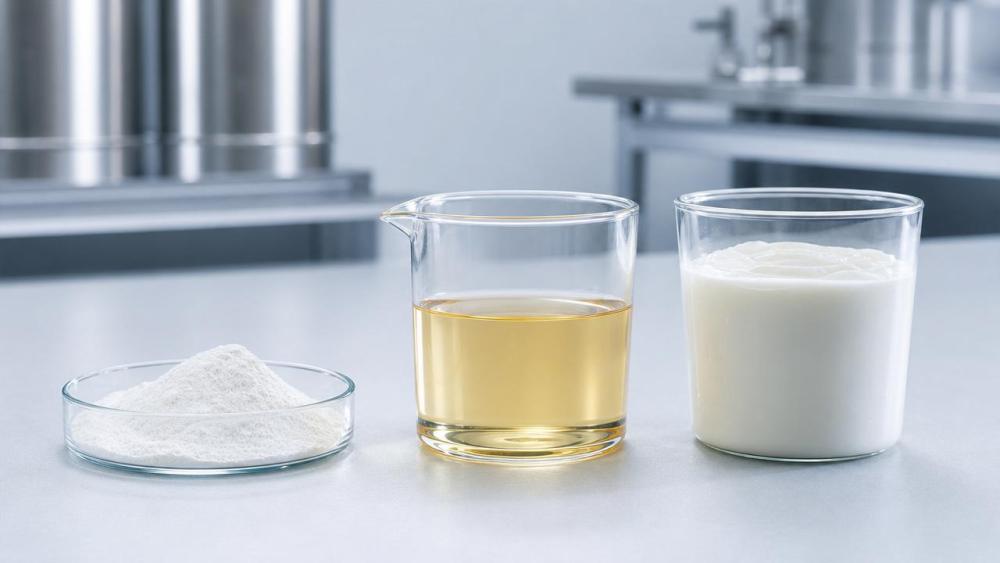
Concluding, this GRAS update marks a formal regulatory milestone for high-purity sodium hyaluronate in food—but it is better understood as an enabling condition rather than an immediate commercial inflection point. For stakeholders, the current priority is verification, documentation alignment, and selective technical due diligence—not broad-scale reformulation or market entry without validation.
Source: U.S. FDA GRAS Notice Inventory (published May 29, 2026); no additional sources cited. Note: Ongoing observation is warranted for any FDA-issued clarifications or enforcement guidance related to implementation.
Related News
- Can biomimetic peptides in cosmetics reduce the look of wrinkles?Oct 17, 2026Cosmeceutical Formulator
- How to assess a bio-based thickener manufacturer's batch consistencyOct 16, 2026Food Rheology Expert
- Verifying halal status of hydrocolloid ingredients in the Middle EastOct 15, 2026Food Rheology Expert
- How to interpret active matter on a surfactant specification sheetOct 14, 2026Prof. Elian Thorne
Related News
- 00
0000-00
Can biomimetic peptides in cosmetics reduce the look of wrinkles? - 00
0000-00
How to assess a bio-based thickener manufacturer's batch consistency - 00
0000-00
Verifying halal status of hydrocolloid ingredients in the Middle East - 00
0000-00
How to interpret active matter on a surfactant specification sheet - 00
0000-00
How Do You Test Hydrocolloid Viscosity After Changing a Thickener?
Industry Global
Weekly Insights
Stay ahead with our curated technology reports delivered every Monday.