





For business evaluators navigating fragrance supply chains, 2026 will demand sharper compliance scrutiny than ever. As IFRA revisions evolve and global expectations tighten, aroma chemists must verify safety, documentation, restricted substances, and market fit before launch.
That shift matters across the wider FMCG ecosystem. Fragrance sits inside personal care, home care, fine fragrance, and functional consumer products. A small compliance gap can delay launches, trigger reformulation, or weaken commercial confidence.
For intelligence-led platforms such as FFAI, the signal is clear. The work of aroma chemists is moving beyond creativity alone. It now combines molecular design, evidence discipline, supplier traceability, and forward-looking regulatory judgment.
Why 2026 Looks Like a Turning Point for Aroma Chemists
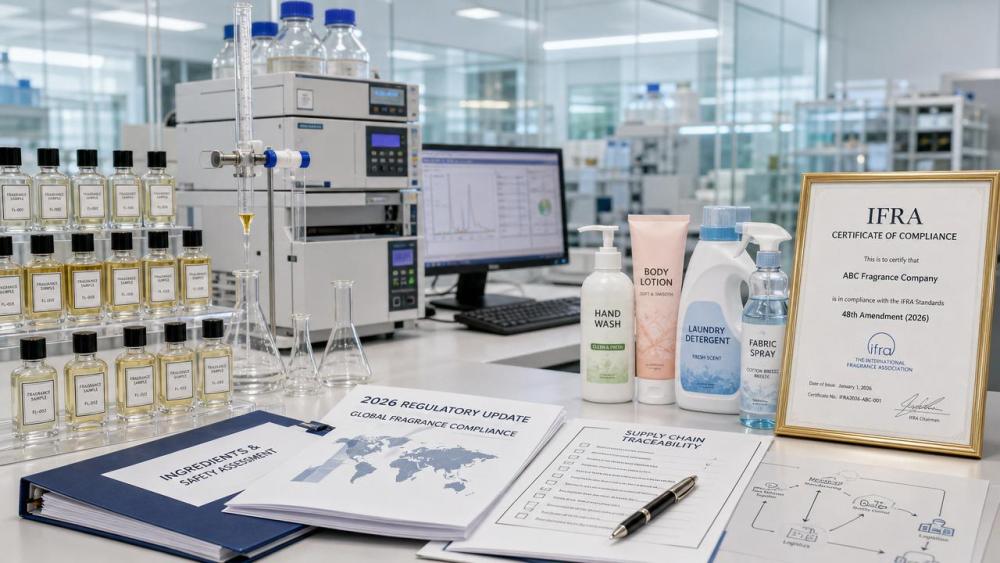
The compliance environment is becoming more interconnected. IFRA standards, regional chemical rules, product safety expectations, and retailer requirements increasingly influence each other.
This means aroma chemists cannot treat fragrance compliance as a final checklist. It must begin at formula concept, continue through sourcing, and stay active during commercialization.
Another shift is the rising importance of evidence quality. Authorities, brand owners, and investors now ask whether restricted materials are controlled, exposure assumptions are valid, and records are audit-ready.
In parallel, consumers continue to connect safety with brand trust. Even where regulations differ by market, public expectations favor transparent, lower-risk, and responsibly documented fragrance systems.
The Strongest Trend Signals Behind IFRA Update Pressure
Several signals explain why aroma chemists face tighter review pressure in 2026. These drivers are technical, commercial, and reputational at the same time.
Together, these signals show a broader market truth. Aroma chemists are increasingly evaluated on how well they convert regulatory uncertainty into stable, scalable fragrance performance.
Five Compliance Checks Aroma Chemists Should Prioritize First
The most effective response starts with disciplined review. Before launch, aroma chemists should focus on five checks that reduce downstream disruption.
1. Verify IFRA certificate validity and category alignment
Check whether the certificate reflects the latest applicable IFRA framework. Then confirm the intended product category matches the actual end use, dosage pattern, and exposure route.
2. Reassess restricted and prohibited substances
Do not rely on historical supplier declarations alone. Aroma chemists should recheck restricted materials, potential carryover, allergens, and trace-level impurities introduced by naturals or blends.
3. Audit raw material traceability and specification consistency
A formula can be compliant on paper yet unstable in supply. Specifications, batch variation, origin details, and analytical support should be consistent across approved sources.
4. Match formula data with destination market requirements
IFRA compliance is important, but it is not the only gate. Aroma chemists must compare formula disclosures with local cosmetic, detergent, air care, and chemical inventory rules.
5. Test documentation readiness for audits and transactions
Documentation should be structured for review, not merely stored. Files need version control, supporting rationale, supplier records, analytical evidence, and clear change history.
How These Shifts Affect Formulation, Sourcing, and Commercial Timing
The first impact appears in formulation strategy. Aroma chemists may need to redesign accords earlier, especially when signature notes depend on materials facing tighter limitations.
The second impact hits sourcing choices. Lower-cost substitutes can become expensive if they create documentation gaps, impurity questions, or repeated requalification work.
Commercial timing also changes. Product pipelines now need more room for formula verification, internal signoff, supplier response cycles, and market-specific compliance review.
- Launch calendars may shift if fragrance adaptation starts too late.
- Portfolio harmonization becomes harder across personal care and home care categories.
- Due diligence questions increase during partnership, financing, and cross-border expansion.
- Premium positioning depends more on provable safety and transparency.
For a knowledge-driven platform like FFAI, this confirms a broader industry pattern. Molecular performance, sensory appeal, and compliance resilience are now commercial assets that reinforce each other.
Where Attention Should Stay Focused Through 2026
Not every risk deserves equal urgency. Aroma chemists should keep attention on the points most likely to affect approval, scalability, and long-term portfolio stability.
- High-exposure applications where concentration limits matter most.
- Natural extracts with variable composition and impurity uncertainty.
- Legacy formulas built under older assumptions or incomplete records.
- Multi-region projects needing one dossier for several destinations.
- Supplier transitions that may disrupt equivalence or traceability.
- Claims strategies that raise visibility around safety and ingredient origin.
Aroma chemists should also watch the interaction between internal standards and external obligations. Brand restriction lists often evolve faster than legal frameworks and may shape formulation choices sooner.
A Practical Decision Framework for Smarter Compliance Readiness
A simple decision framework can improve response speed. The aim is not only to pass review, but to prevent avoidable redesign and commercial friction.
This framework helps aroma chemists move from reactive correction to strategic preparedness. It also supports clearer communication between technical, regulatory, and commercial functions.
The Next Move: Build Compliance Intelligence Before Pressure Builds
The 2026 outlook suggests that waiting for final-stage review will be costly. Aroma chemists should start with formula mapping, supplier validation, and targeted IFRA gap analysis now.
A strong next step is to create a short watchlist. Include formulas with high exposure, natural complexity, older certificates, or incomplete traceability. Review those first.
FFAI’s intelligence perspective supports this approach. In modern FMCG development, the strongest fragrance portfolios combine sensory precision, safety evidence, and globally relevant compliance foresight.
For teams tracking the future of flavors, fragrances, and active ingredients, the message is simple. The value of aroma chemists in 2026 will be measured not only by what smells compelling, but by what stands up to scrutiny.
Related News
- How to verify a cosmetic nanotechnology supplier's safety documentationOct 04, 2026Dr. Chloe Vance
- How to set a control sensory flavour standard for panel consistencySep 27, 2026Dr. Chloe Vance
- How to verify compliance documents for cosmetic active compoundsSep 19, 2026Dr. Chloe Vance
- How to verify food grade flavor formulation ingredients for safetySep 18, 2026Dr. Chloe Vance
Related News
- 00
0000-00
How to interpret active matter on a surfactant specification sheet - 00
0000-00
What Quality Checks Should You Run on Fragrance Ingredient Suppliers? - 00
0000-00
How to assess a flavor chemistry manufacturer's batch consistency - 00
0000-00
What drives fragrance ingredients price changes in bulk orders? - 00
0000-00
How to assess a food antioxidants distributor’s traceability practices
Dr. Chloe Vance
Weekly Insights
Stay ahead with our curated technology reports delivered every Monday.