





On October 28, 2026, the U.S. Department of Health and Human Services (HHS) issued a draft policy proposing temporary enforcement discretion for compounding pharmacies working with six unapproved peptides. The development may affect pharmacies and suppliers serving peptide-based anti-aging and wellness markets, although the conditions and their practical application remain central to any assessment of market access.
Six peptides covered by the draft
According to reporting by AJMC and other media on October 29, HHS issued a draft policy under which it would not take enforcement action against compounding pharmacies if they meet 10 specified conditions. The policy concerns BPC-157, TB-500, KPV, MOTS-c, Epitalon and Semax, all described as unapproved peptides. The reported move overrides earlier objections from FDA scientists based on safety concerns.
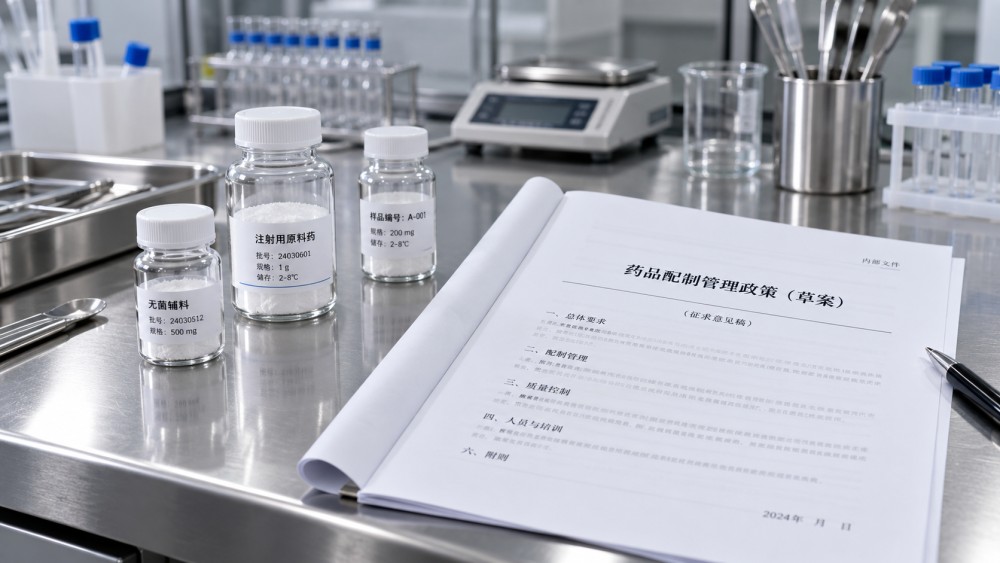
Where the proposal could affect the supply chain
Compounding and patient access
From an industry perspective, compounding pharmacies are the most directly exposed to the proposed change. The possibility of enforcement discretion could affect decisions about whether to offer preparations involving the six peptides, but its practical value would depend on the 10 conditions and how they apply to each pharmacy. The draft should not be treated as approval of the peptides.
Ingredients and purchasing decisions
Analysis suggests that ingredient suppliers and purchasers serving compounding pharmacies may need to reassess which products they offer or source if the policy proceeds. They may also need to examine whether available supplier and product documentation supports their customers' compliance assessments. Any change in purchasing or delivery plans remains a possibility, not a confirmed outcome.
Anti-aging and wellness channels
Businesses involved in peptide-based anti-aging and wellness products may see potential changes in access through compounding pharmacies. However, the proposed enforcement approach does not establish unrestricted market access, and the supplied information does not establish how it would affect particular sales channels or transactions.
What businesses should verify before changing plans
Review the conditions
Pharmacies considering the six peptides should review the full policy text and verify the 10 conditions against their own activities. The information supplied does not describe those conditions, so no conclusion can be drawn here about eligibility or compliance.
Check product and supplier records
Purchasers and suppliers may wish to assess whether their records clearly identify the relevant peptides and whether supporting product and supplier documentation is available for review. The particular documents needed cannot be determined from the supplied summary.
Monitor official implementation details
Businesses should follow subsequent HHS and FDA communications for clarification of the draft's status, scope and application. They may also wish to review procurement and delivery commitments as those details become available, without assuming that the draft has already produced a final execution framework.
Draft status leaves key questions open
At this stage, the development is better understood as a proposed enforcement signal than as confirmation of broad market authorization. The reported safety objections and the absence of the 10 conditions from the supplied summary make the policy's precise scope and subsequent official guidance important to assessing its practical consequences. Industry feedback and business implementation also warrant monitoring.
A conditional change, not a blanket opening
The draft could alter the operating environment for pharmacies and suppliers handling the six peptides, particularly in anti-aging and wellness markets. A measured response is to assess the potential opportunity alongside the unresolved conditions and safety concerns, and to avoid treating possible effects as established outcomes.
Basis for this report
This article is based on the user-provided news title, event date and event summary, including the reference to AJMC and other media. No specific official source link was provided in the input; the policy text and subsequent official communications therefore require continued verification. The conditions, implementation guidance and industry response remain matters for further observation.
Related News
- How to check a fragrance raw material specification for IFRA complianceNov 12, 2026Dr. Chloe Vance
- Are synthetic flavors in food required to be FDA approved?Nov 10, 2026Dr. Chloe Vance
- How to review a supplier's GRAS claim for an intended food useNov 09, 2026Dr. Chloe Vance
- Cosmetic compliance guide to IFRA fragrance limitsOct 31, 2026Dr. Chloe Vance
Related News
- 00
0000-00
Wissen Research: Global Cosmetics Market to Reach $497.2 Billion by 2031 - 00
0000-00
Can biomimetic peptides improve skin firmness? - 00
0000-00
China Records 543 New Cosmetic Ingredients, Including 167 in 2026 - 00
0000-00
How to check a fragrance raw material specification for IFRA compliance - 00
0000-00
Australia and New Zealand Weigh Wider Steviol Glycoside Use in Griddle Products
Dr. Chloe Vance
Weekly Insights
Stay ahead with our curated technology reports delivered every Monday.