





Why is molecular sensory analysis for quality control getting so much attention?
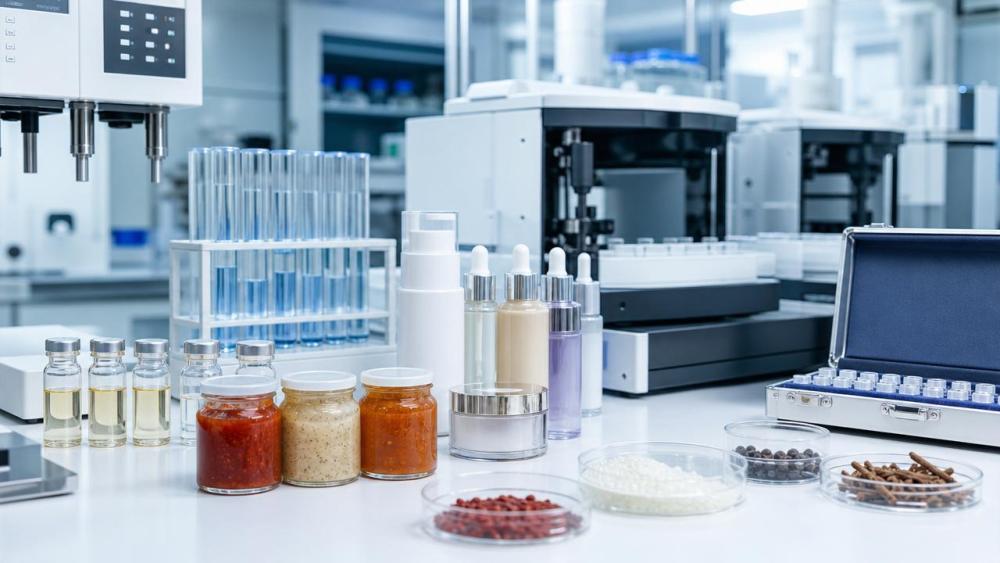
Molecular sensory analysis for quality control matters because many product failures begin before instruments show a clear alarm.
A sauce may still meet viscosity targets, yet smell slightly stale. A peptide serum may pass purity checks, yet feel wrong on skin.
That gap between chemistry and perception is where hidden risk often lives.
In food, fragrance, cosmetic actives, and surfactant systems, sensory drift can signal oxidation, impurity, thermal stress, or ingredient interaction.
Molecular sensory analysis for quality control connects those shifts to molecular causes rather than treating taste, odor, texture, or afterfeel as subjective complaints.
That is why it fits the broader intelligence logic seen across FFAI coverage.
Whether the topic is antioxidants surviving heat, hydrocolloids shaping mouthfeel, fragrance notes evolving over time, or anti-aging actives remaining elegant in use, sensory evidence helps explain commercial performance.
More importantly, it helps catch issues before they become recalls, reformulations, or market rejection.
What does this method actually include in day-to-day quality control?
It is not just a tasting panel or a perfumer smelling samples.
In practice, molecular sensory analysis for quality control combines sensory evaluation with molecular data, process history, and application context.
A useful program usually links four layers.
- Sensory signals such as odor shifts, bitterness, creaminess, tackiness, foam feel, or dry-down behavior.
- Analytical markers such as oxidation products, residual solvents, volatile losses, peptide degradation, or surfactant balance changes.
- Process variables such as heating, mixing order, storage humidity, transport temperature, or packaging contact.
- Regulatory and claim relevance, especially when consistency supports safety, clean label positioning, or premium efficacy narratives.
Simple lab numbers rarely tell the full story on their own.
For example, a flavor blend can meet specification while losing top-note brightness after transit.
A thickener system can remain within rheology range while creating a flatter mouthfeel because of interaction with pigments or preservatives.
A luxury active can stay chemically intact yet leave an unstable finish after emulsification changes.
That is where molecular sensory analysis for quality control becomes more than a lab exercise. It becomes a decision tool.
Where does molecular sensory analysis for quality control create the most value?
The strongest use cases appear where perception directly affects trust, repeat purchase, or compliance interpretation.
Food preservation is one obvious example.
If antioxidants and preservatives protect shelf life but alter aroma release or aftertaste, the formula may be technically stable yet commercially weaker.
Molecular sensory analysis for quality control helps separate acceptable protection from sensory overcorrection.
Fragrances and essential oil systems are another high-value area.
Here, tiny changes in volatile balance can shift the opening note, diffusion curve, or skin evolution.
Without sensory-linked molecular review, a batch may pass conventional checks and still feel noticeably cheaper.
Cosmetic actives also benefit, especially premium anti-aging systems.
Consumers rarely evaluate peptides or Pro-Xylane through assay data. They judge spread, absorption, residue, scent compatibility, and irritation cues.
When those sensory outcomes drift, quality concerns rise quickly even if the active claim remains technically defensible.
The same logic applies to thickeners, pigments, and washing surfactants.
If xanthan gum changes body without preserving clean flavor release, or if a surfactant improves cleansing but leaves harsh afterfeel, formulation quality is incomplete.
A quick judgment table for common applications
The table below helps clarify when molecular sensory analysis for quality control is worth the effort and what to watch first.
When can molecular sensory analysis for quality control mislead decisions?
This method is powerful, but it is not automatically objective.
The biggest mistake is treating sensory findings as proof without confirming mechanism.
A strange odor may come from oxidation, but it may also come from packaging migration, cleaning residue, or a harmless botanical variation.
Another common problem is panel bias.
If the sensory team is not calibrated, molecular sensory analysis for quality control can generate noise dressed up as insight.
This is especially risky in fragrance, essential oil, and cosmetic textures, where preference can be mistaken for nonconformity.
Context also matters more than many teams expect.
A flavor may behave one way in a concentrate and another way after baking, freezing, or mixing with acid.
A peptide may remain elegant in a lab emulsion and feel unstable in commercial packaging after transit.
Needless alarm can follow if test conditions do not mirror real use.
There is also a compliance trap.
Sensory consistency supports safety decisions, but it does not replace GRAS review, CPNP obligations, specification control, or challenge testing.
The smartest programs use molecular sensory analysis for quality control alongside regulatory interpretation, not instead of it.
Risk signs that deserve a second look
- Sensory complaints appear, but no one can link them to a molecular marker.
- A panel result changes after training but not after formulation adjustment.
- Only retained samples show drift, while market samples behave differently.
- A decision relies on one batch or one storage condition.
- Commercial teams interpret preference changes as safety failures.
How should implementation be judged against cost, speed, and business value?
Not every formula needs a full sensory-molecular program.
A better question is where inconsistency costs more than investigation.
For high-turn food systems, the value often comes from reducing shelf-life surprises and protecting repeatability across plants or seasons.
For fragrance and premium beauty ingredients, the value often comes from defending positioning and preventing subtle downgrade signals.
Implementation usually works best in stages.
Start with products that show frequent complaints, variable raw materials, export exposure, or tight sensory expectations.
Then build a small evidence map between sensory descriptors and measurable molecular events.
That approach keeps the program practical and prevents expensive overdesign.
In environments like those tracked by FFAI, this blended view is especially useful.
It reflects how formula science, regulation, and market pricing interact in real product development.
A slight off-note in a preservative system, a weaker perfume diffusion curve, or a rougher surfactant finish can affect margins as much as lab compliance.
That is why molecular sensory analysis for quality control should be judged not only by testing cost, but by avoided instability and protected brand confidence.
So what is the best next step if the method seems relevant?
Begin with one category where sensory drift already creates uncertainty.
Map the main complaint, the likely molecular triggers, and the real use conditions.
Then decide which signals truly matter: aroma release, aftertaste, spreadability, foam feel, oxidation note, or storage stability.
From there, create a simple comparison standard across batches, raw material changes, and accelerated storage.
Molecular sensory analysis for quality control works best when it answers a concrete formulation question, not when it is added as a fashionable extra.
The central idea is straightforward.
Use molecular sensory analysis for quality control where sensory change can reveal hidden quality risk earlier than routine checks alone.
Use it carefully where perception is easily biased or where regulatory conclusions require deeper evidence.
If the next review focuses on ingredients tied to shelf life, mouthfeel, fragrance evolution, transdermal elegance, or cleansing comfort, this method deserves a serious place in the quality toolkit.
Related News
- How to verify a cosmetic nanotechnology supplier's safety documentationOct 04, 2026Dr. Chloe Vance
- How to set a control sensory flavour standard for panel consistencySep 27, 2026Dr. Chloe Vance
- How to verify compliance documents for cosmetic active compoundsSep 19, 2026Dr. Chloe Vance
- How to verify food grade flavor formulation ingredients for safetySep 18, 2026Dr. Chloe Vance
Related News
- 00
0000-00
Can biomimetic peptides in cosmetics reduce the look of wrinkles? - 00
0000-00
How to assess a bio-based thickener manufacturer's batch consistency - 00
0000-00
Verifying halal status of hydrocolloid ingredients in the Middle East - 00
0000-00
How to interpret active matter on a surfactant specification sheet - 00
0000-00
How Do You Test Hydrocolloid Viscosity After Changing a Thickener?
Dr. Chloe Vance
Weekly Insights
Stay ahead with our curated technology reports delivered every Monday.