





The National Medical Products Administration (NMPA) has issued implementation details for revisions to the Safety and Technical Standards for Cosmetics, with October 8, 2026 identified as the event date in the supplied information. The changes cover cosmetics, including toothpaste, and address ingredient lists, microbiological and harmful-substance limits, and testing methods. Analysis suggests that manufacturers, ingredient suppliers, importers and testing providers may need to review how formulation decisions, supporting documentation and market-entry preparations align with the revised requirements.
Revisions Cover Ingredient Lists, Safety Limits and Testing Methods
According to the supplied summary, the Hong Kong Trade Development Council published an article on October 28, 2026 explaining the NMPA implementation details. This commentary date is separate from the October 8 event date provided for this article.
The revisions adjust the lists of prohibited, restricted and permitted ingredients for cosmetics, including toothpaste. They also update microbiological and harmful-substance limits and change testing methods. The implementation details provide guidance on the compliant use of key ingredients, including preservatives and sunscreen agents, and on market access. The supplied summary states that affected businesses need to adjust formulations and submission strategies in response to the regulatory changes.
The supplied information does not identify individual ingredients, numerical limits, specific testing procedures, effective dates or transition arrangements.
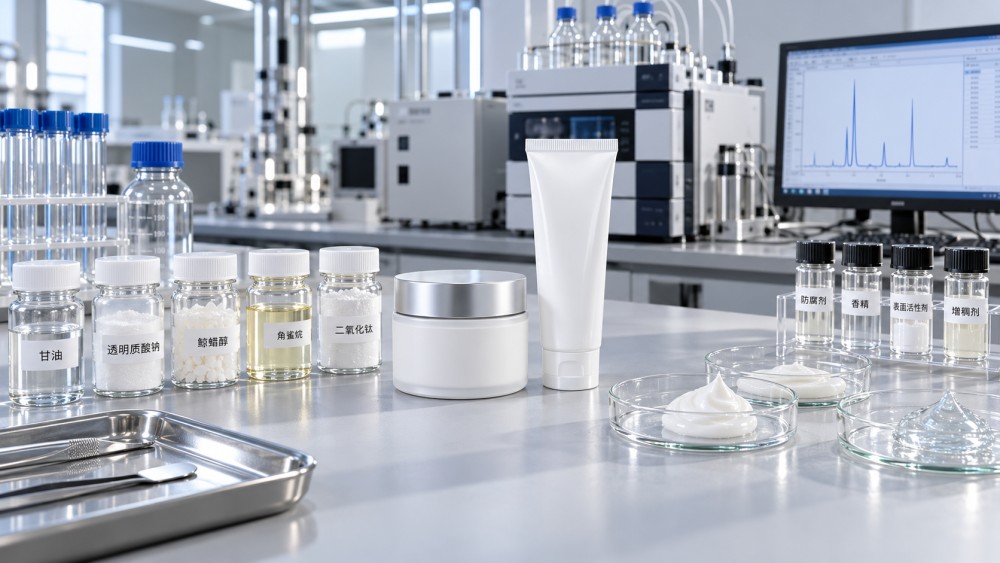
Formulation, Procurement and Testing Decisions May Become More Closely Linked
Ingredient selection may require a fresh formulation review
From an industry perspective, manufacturers and formulation developers may be affected wherever a product uses an ingredient covered by the revised lists. A review could need to consider both ingredient eligibility and any applicable conditions of use. Preservatives and sunscreen agents deserve particular attention because the supplied summary specifically identifies them as key ingredients addressed by the guidance. It does not establish that every ingredient in either category has changed status.
Supplier documentation may influence purchasing decisions
Analysis suggests that ingredient suppliers and procurement teams may need to compare material specifications and supporting documentation with the revised requirements. If that comparison identifies a mismatch, purchasers may need to assess alternative materials or request additional information. Any resulting change to sourcing or delivery plans would depend on the ingredients and products involved; the supplied information does not confirm shortages or supply disruption.
Testing and submission preparation may need coordination
For testing providers and businesses preparing market-entry submissions, updated limits and methods may affect the evidence needed to support compliance. Analysis suggests that teams should check whether existing reports remain suitable for their intended use before relying on them. The supplied summary does not establish a general retesting obligation or confirm that previously issued reports are invalid.
Practical Reviews Should Start with Product-Specific Requirements
Map affected ingredients across relevant formulas
As a practical recommendation, businesses could compare their cosmetic and toothpaste formulations with the revised ingredient lists, giving particular attention to preservatives and sunscreen agents. The purpose would be to identify which products require further assessment. Any decision to reformulate should follow verification of the relevant provisions rather than an assumption that all products are affected.
Check the basis of testing evidence
A recommended review would compare the limits and methods used in existing testing documentation with those specified in the revisions. Where differences arise, businesses could seek clarification on whether supplementary testing or updated documentation is appropriate. Specific testing needs cannot be determined from the supplied summary alone.
Align submission plans with verified implementation provisions
Analysis suggests that regulatory and product-development teams could review submission materials alongside formulation and testing records. Before changing filing schedules or making market-entry commitments, they should verify the applicable implementation dates and any arrangements for existing products or pending submissions. Those details were not included in the input.
Assess sourcing changes before revising delivery commitments
If a verified requirement calls for an ingredient change, procurement and manufacturing teams could evaluate substitute suitability, supporting evidence and the time needed for validation. This is a contingency recommendation, not evidence that substitution is universally required. Any effect on production or delivery would depend on the outcome of the product-specific assessment.
The Details Signal Implementation Work, While Timing Still Needs Verification
As an editorial assessment, this development is best understood as guidance for translating revised technical requirements into formulation, testing and submission decisions. Its relevance extends across those activities because an ingredient decision may also affect the evidence prepared for market access.
However, the supplied information is insufficient to establish when each revision becomes applicable or how particular product situations will be handled. Further official clarification on implementation provisions, testing expectations and submission treatment could materially influence business decisions. Industry feedback may also help identify practical difficulties, but no such feedback is provided here.
Use the Revision to Prioritize Verification and Preparation
Analysis suggests that the immediate business priority is to identify potentially affected products and verify the requirements that apply to them. The changes warrant coordinated review across formulation, procurement, testing and regulatory teams. Their practical impact should be assessed against confirmed provisions and product evidence, with purchasing and delivery decisions adjusted where that assessment supports a change.
Basis of This Article and Matters Requiring Follow-Up
This article was prepared solely from the user-provided news title, event date and event summary. The summary identifies an October 28, 2026 Hong Kong Trade Development Council article discussing the NMPA implementation details. No specific official source links were supplied, and the underlying documents require continued verification.
Relevant follow-up sources would include official NMPA announcements, the revised technical requirements and associated implementation documents. Matters to monitor include applicable dates, ingredient-specific provisions, numerical limits, testing methods, submission expectations and business implementation feedback. The recommendations and potential effects discussed above are analysis based on the supplied information.
Related News
- How to check a fragrance raw material specification for IFRA complianceNov 12, 2026Dr. Chloe Vance
- Are synthetic flavors in food required to be FDA approved?Nov 10, 2026Dr. Chloe Vance
- How to review a supplier's GRAS claim for an intended food useNov 09, 2026Dr. Chloe Vance
- Cosmetic compliance guide to IFRA fragrance limitsOct 31, 2026Dr. Chloe Vance
Related News
- 00
0000-00
Wissen Research: Global Cosmetics Market to Reach $497.2 Billion by 2031 - 00
0000-00
Can biomimetic peptides improve skin firmness? - 00
0000-00
China Records 543 New Cosmetic Ingredients, Including 167 in 2026 - 00
0000-00
How to check a fragrance raw material specification for IFRA compliance - 00
0000-00
Australia and New Zealand Weigh Wider Steviol Glycoside Use in Griddle Products
Dr. Chloe Vance
Weekly Insights
Stay ahead with our curated technology reports delivered every Monday.