





In 2026, FMCG reformulation is no longer a purely technical exercise—it is a board-level cost decision.
As clean-label pressure, supply volatility, regulatory scrutiny, and premium sensory expectations converge, flavor chemistry becomes a critical lever shaping margin protection and product competitiveness.
Understanding where formulation costs truly rise helps approve smarter budgets without sacrificing consumer acceptance, safety, or brand value.
Flavor Chemistry Cost Drivers in 2026 FMCG Product Reformulation
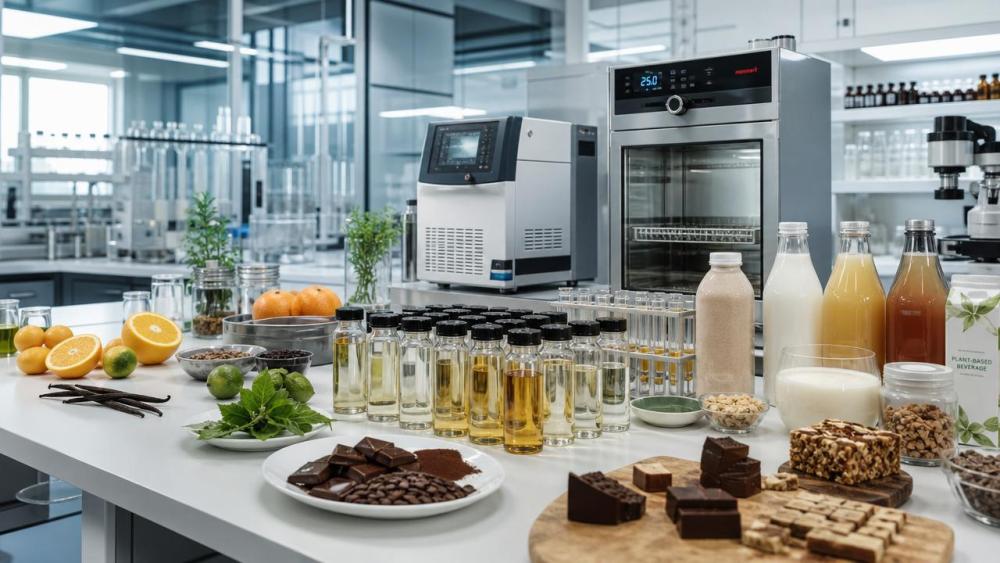
Flavor chemistry now sits at the intersection of sensory science, compliance, procurement, and commercial positioning.
It defines how sweetness feels reduced, how plant proteins taste cleaner, and how premium fragrances remain recognizable after reformulation.
In FMCG, reformulation rarely changes one ingredient alone. A sugar cut may require acids, aroma boosters, masking systems, and texture correction.
That is why flavor chemistry cost analysis must look beyond the price of a single flavor concentrate.
Core Definition and Cost Logic
Flavor chemistry studies aroma molecules, taste interactions, release behavior, stability, and sensory perception in finished products.
In practical reformulation, it translates molecular behavior into consumer-recognizable flavor, aroma, mouthfeel, and aftertaste control.
The cost of flavor chemistry includes raw aromatic materials, carrier systems, encapsulation, testing, documentation, and reformulation trial cycles.
A cheap flavor may become expensive if it fails stability, labeling, regional compliance, or sensory validation.
A higher-priced system may protect margins when it lowers dosage, reduces complaints, or prevents failed launches.
Why 2026 Reformulation Raises the Stakes
Three forces make flavor chemistry more expensive and more strategically important in 2026.
- Cleaner labels restrict artificial notes, solvents, colors, preservatives, and some processing aids.
- Commodity volatility affects citrus oils, vanilla derivatives, cocoa notes, botanicals, and fermentation inputs.
- Consumers expect reduced sugar, lower salt, better nutrition, and unchanged sensory pleasure.
These pressures turn flavor chemistry into a risk-control discipline, not only a creative formulation tool.
Industry Signals Shaping 2026 Cost Structures
Across beverages, bakery, confectionery, dairy alternatives, personal care, and nutrition products, reformulation costs follow similar patterns.
The visible label change is often small. The hidden flavor chemistry work behind it can be extensive.
The table shows why flavor chemistry budgets should be assessed across risk, performance, compliance, and consumer acceptance.
A narrow purchase-price view can underestimate delays, reformulation loops, and market rejection costs.
Major Flavor Chemistry Cost Drivers
Several cost drivers repeatedly appear during FMCG reformulation projects in 2026.
They should be reviewed before commercial approval, not after laboratory trials reveal unexpected complexity.
1. Natural Aroma Compounds and Supply Exposure
Natural flavor materials often carry premium pricing because they depend on crop yield, extraction efficiency, and origin authenticity.
Citrus, mint, vanilla, cocoa, and spice notes can face sharp cost shifts from weather and geopolitical disruptions.
Flavor chemistry helps reduce exposure through reconstruction, fractional blending, and validated equivalency between approved sources.
2. Masking Systems for Better-for-You Products
High-protein, low-sugar, fortified, and plant-based products often introduce bitterness, astringency, beany notes, or mineral aftertaste.
Masking is rarely a single additive. It may combine aroma balancing, bitterness blockers, acids, sweet modulators, and texture aids.
This makes flavor chemistry essential for nutritional reformulation that remains enjoyable after repeat consumption.
3. Stability Under Processing and Shelf Life
Heat, oxygen, light, water activity, pH, and packaging materials can degrade delicate aroma compounds.
Baked goods, UHT beverages, gummies, sauces, and functional drinks each stress flavor systems differently.
Encapsulation, antioxidant support, emulsion design, and carrier selection increase cost but protect sensory consistency.
4. Compliance Testing and Documentation
Regulatory cost is rising because ingredient transparency is becoming more detailed across markets.
Flavor chemistry projects may require allergen checks, solvent residual data, purity documents, country-specific status, and exposure calculations.
For cross-border FMCG products, one formulation can require different documentation packs for different regions.
5. Sensory Validation and Iteration Time
Consumer acceptance cannot be assumed from laboratory aroma quality alone.
Triangle tests, descriptive panels, accelerated aging, home-use trials, and benchmark comparisons add direct and indirect costs.
However, these steps reduce the risk of relaunch failure, especially in familiar flavor profiles.
Business Value of Better Cost Visibility
Strong flavor chemistry cost visibility supports better reformulation governance.
It connects sensory ambition with feasible cost, compliant sourcing, and realistic launch timelines.
Cost transparency also helps distinguish necessary investments from avoidable complexity.
- Protect gross margin by modeling dosage, yield, claims value, and supplier risk together.
- Reduce relaunch risk by validating flavor chemistry under real processing conditions.
- Improve procurement resilience through dual sourcing and approved alternative profiles.
- Support premium positioning with sensory signatures that competitors cannot easily copy.
- Shorten decision cycles by linking technical evidence with commercial assumptions.
The strongest business cases treat flavor chemistry as value engineering, not as a discretionary add-on.
This approach is especially important when reformulation supports clean label, health claims, or premium sensory repositioning.
Typical FMCG Reformulation Scenarios
Different categories face different flavor chemistry priorities.
A category-specific lens prevents overengineering and reveals hidden formulation risks earlier.
The same flavor chemistry principle applies across these scenarios: perception must survive processing, storage, use, and repeat purchase.
Cost decisions should therefore reflect the full product lifecycle, not only the formulation bench.
Practical Budgeting and Risk-Control Methods
A disciplined reformulation budget separates predictable technical costs from preventable uncertainty.
The following practices make flavor chemistry spending easier to evaluate and defend.
- Define sensory non-negotiables before ingredient substitution begins.
- Map cost by dosage, not only by quoted kilogram price.
- Test aroma performance in the real base, not in water or neutral carriers.
- Include accelerated shelf-life and packaging interaction studies early.
- Build compliance review into the first cost model.
- Qualify backup suppliers for critical aroma and masking materials.
- Measure consumer acceptance against the existing product benchmark.
These actions reduce expensive late-stage corrections.
They also help identify when flavor chemistry investment protects the commercial promise of reformulation.
Common Mistakes to Avoid
The most common mistake is treating flavor as the final adjustment after nutrition, cost, or label changes are completed.
By then, flavor chemistry options may be constrained by pH, processing, claims, or supplier availability.
Another mistake is approving natural conversion without modeling availability, batch variability, and documentation burden.
Natural claims can strengthen value, but they require tighter technical and procurement discipline.
Strategic Intelligence for Reformulation Decisions
FFAI tracks the behind-the-scenes ingredient systems that give FMCG products their sensory and functional identity.
Its intelligence focus spans preservatives, hydrocolloids, pigments, surfactants, cosmetic actives, and flavor chemistry.
This cross-category view is useful because reformulation rarely stays within one technical lane.
A flavor issue may involve antioxidants, rheology, packaging, carrier oils, or regulatory documentation.
A better cost model therefore combines molecular performance, compliance feasibility, sensory data, and pricing intelligence.
Actionable Next Steps for 2026 Planning
For 2026 reformulation planning, begin with a clear map of sensory risk, regulatory exposure, and ingredient volatility.
Then build a flavor chemistry cost model that includes dosage, testing, documentation, supply security, and launch risk.
Prioritize projects where sensory improvement protects margin, supports claims, or prevents customer rejection.
Use structured benchmarks, not personal preference, to judge reformulation success.
The most resilient FMCG products in 2026 will not be the cheapest formulas.
They will be formulas where flavor chemistry is budgeted as a strategic system for safety, desirability, and commercial durability.
Related News
- How to interpret active matter on a surfactant specification sheetOct 14, 2026Prof. Elian Thorne
- What Quality Checks Should You Run on Fragrance Ingredient Suppliers?Oct 14, 2026Prof. Elian Thorne
- How to assess a flavor chemistry manufacturer's batch consistencyOct 13, 2026Prof. Elian Thorne
- What drives fragrance ingredients price changes in bulk orders?Oct 12, 2026Prof. Elian Thorne
Related News
- 00
0000-00
Can biomimetic peptides in cosmetics reduce the look of wrinkles? - 00
0000-00
How to assess a bio-based thickener manufacturer's batch consistency - 00
0000-00
Verifying halal status of hydrocolloid ingredients in the Middle East - 00
0000-00
How to interpret active matter on a surfactant specification sheet - 00
0000-00
How Do You Test Hydrocolloid Viscosity After Changing a Thickener?
Prof. Elian Thorne
Weekly Insights
Stay ahead with our curated technology reports delivered every Monday.