





In today’s fast-moving FMCG landscape, formula R&D must do more than innovate. It must reduce reformulation cost, protect compliance, and keep launches on schedule across food, fragrance, cosmetics, and surfactant categories.
The pressure is rising because ingredient volatility, regulatory change, and sensory expectations now move faster than traditional development cycles. Smarter intelligence is becoming the shortest path to safer launches and better margins.
Formula R&D is entering a cost-sensitive acceleration phase
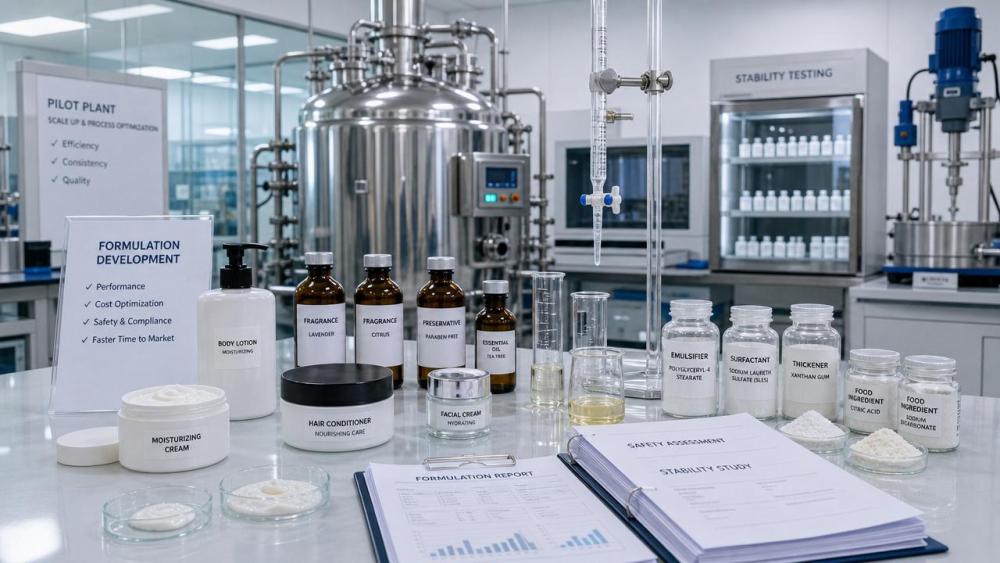
Across the broader consumer goods industry, formula R&D is no longer judged only by novelty. It is judged by speed, reformulation resilience, and regulatory readiness.
A single ingredient disruption can force relabeling, sensory retesting, stability work, and market delay. That turns a technical adjustment into a full commercial risk.
This shift is especially visible in food preservation, rheology control, fragrance design, cosmetic actives, and washing surfactants. Each segment now faces tighter tolerance for cost overruns.
For that reason, formula R&D is becoming a strategic discipline. It connects ingredient science, compliance timing, and pricing logic before development reaches a costly late stage.
Market signals show why reformulation pressure is rising now
Several signals explain why teams are revisiting development models. The common theme is simple: more variables now affect every formula decision.
- Clean label expectations are shrinking tolerance for legacy additives and synthetic perception.
- Regulatory reviews are tightening across GRAS interpretation, cosmetics notification, and ingredient claims.
- Raw material price swings are forcing substitutions in antioxidants, thickeners, oils, and specialty actives.
- Premium positioning requires stronger sensory performance and visible efficacy evidence.
- Global launches need formulas that can survive region-specific compliance and supply constraints.
These signals affect both high-volume staples and premium innovations. As a result, formula R&D must handle uncertainty without multiplying validation work.
The drivers behind better formula R&D are scientific, regulatory, and commercial
The fastest-growing organizations are treating reformulation as a cross-functional intelligence problem, not only a lab problem.
This is where intelligence-led platforms gain value. FFAI focuses on ingredient behavior, compliance pathways, and pricing logic across five critical FMCG ingredient pillars.
Different application areas feel formula R&D pressure in different ways
The same reformulation challenge does not look identical across categories. Each application carries its own technical bottlenecks and launch risks.
Food preservation and texture systems
In food, formula R&D often centers on shelf life, oxidation control, and mouthfeel. Replacing a preservative or thickener can alter stability, taste, and transport tolerance at once.
Heat exposure adds another layer. An antioxidant that works in theory may degrade during baking or filling, creating hidden reformulation cost.
Flavors, fragrances, and emotional performance
Aroma systems must balance volatility, persistence, and regulatory fit. Even minor formula R&D changes can shift top notes, base notes, or consumer perception.
That means a cheaper substitute can become expensive if it weakens recognition, differentiation, or premium appeal.
Cosmetic actives and anti-aging claims
In skincare, formula R&D depends on more than ingredient inclusion. The real question is whether actives remain stable and penetrate effectively enough to support claims.
Peptides, recombinant collagens, and other advanced compounds can justify premium pricing. Yet weak delivery systems can waste that investment.
Surfactants and cleansing performance
For detergents and shampoos, reformulation often involves mildness, foaming, biodegradability, and grease removal. A surfactant change can reshape both performance and positioning.
This makes formula R&D central to balancing cost control with user experience and sustainability messaging.
What deserves attention when launch speed and reformulation cost conflict
When deadlines are tight, cutting corners usually creates larger downstream expense. Several priorities consistently protect both launch timing and technical quality.
- Prioritize functional equivalence. Match performance mechanisms, not only label names or price points.
- Screen compliance early. Align GRAS, CPNP, claim language, and export rules before scale-up.
- Model total reformulation cost. Include trials, validation, packaging updates, and delayed revenue.
- Protect sensory signatures. Texture, fragrance evolution, and skin feel often drive repeat purchase more than technical specs.
- Use stability science proactively. Heat, oxidation, pH, and delivery conditions determine whether a formula survives reality.
- Link ingredient upgrades to pricing power. Premium raw materials need a visible route to margin improvement.
These checkpoints make formula R&D more predictable. They also prevent teams from treating every substitution as an isolated event.
A practical response framework can keep formula R&D moving without waste
An effective response does not require slowing launches. It requires sequencing decisions in the right order.
This framework suits broad FMCG environments because it joins science with business outcomes. That is the practical core of modern formula R&D.
Why ingredient intelligence is becoming the launch advantage
The next competitive edge will not come from faster experimentation alone. It will come from better judgment before experiments begin.
FFAI reflects this direction by connecting compliance observation, molecular interpretation, and pricing analysis. That combination helps translate complex ingredient data into launch-ready decisions.
For businesses facing repeated formulation changes, the goal is clear: make formula R&D smarter, not heavier. Better insight reduces avoidable trials, protects premium positioning, and shortens the path to market.
The most effective next step is to audit current formulas against three questions: which ingredients are vulnerable, which claims are exposed, and which substitutions can preserve value.
When those answers are supported by ingredient intelligence, formula R&D becomes a growth system rather than a cost center. That is how launches move faster without paying more for every revision.
Related News
- What drives fragrance ingredients price changes in bulk orders?Oct 12, 2026Prof. Elian Thorne
- How minimum order quantities shape private label ingredient sourcing costsOct 10, 2026Prof. Elian Thorne
- What drives personal care ingredient price volatility in sourcingOct 08, 2026Prof. Elian Thorne
- What drives micelles price differences in cosmetic formulations?Oct 07, 2026Prof. Elian Thorne
Related News
- 00
0000-00
What drives fragrance ingredients price changes in bulk orders? - 00
0000-00
How to assess a food antioxidants distributor’s traceability practices - 00
0000-00
How minimum order quantities shape private label ingredient sourcing costs - 00
0000-00
What drives personal care ingredient price volatility in sourcing - 00
0000-00
What drives micelles price differences in cosmetic formulations?
Prof. Elian Thorne
Weekly Insights
Stay ahead with our curated technology reports delivered every Monday.