





How Food Sensory Science Data Improves Product Reformulation Decisions
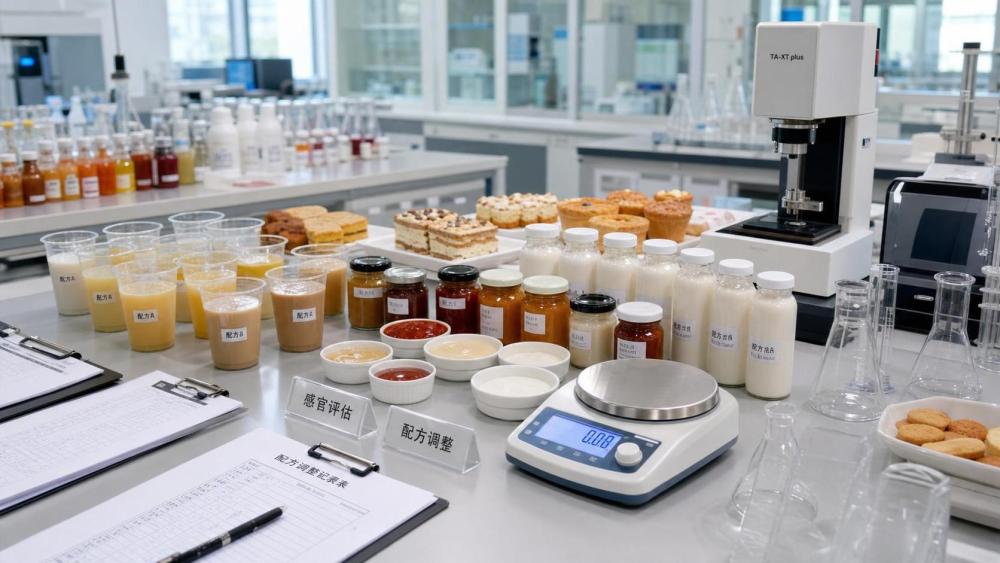
In reformulation work, technical teams rarely fail because a recipe looks wrong on paper.
They fail when small sensory changes reshape how people taste, smell, feel, and judge a product.
That is where food sensory science data becomes a decision tool, not just a reporting layer.
When sugar is reduced, preservatives shift, or thickeners change, the technical risk moves beyond formula cost.
Texture may collapse, aroma release may flatten, and aftertaste may become more visible.
Food sensory science data helps evaluators translate those changes into measurable signals before launch.
This matters more now because reformulation is no longer driven by one target alone.
Projects often combine clean label goals, cost pressure, shelf life demands, and stricter compliance expectations.
A strong sensory evidence base reduces guesswork and improves the speed of technical approval.
What counts as food sensory science data in reformulation
Food sensory science data includes both human perception results and instrumental measurements linked to perception.
The strongest datasets combine descriptive panel work, consumer response, and physical analysis in one decision frame.
In practice, the most useful inputs usually include:
- Trained panel scores for sweetness, bitterness, creaminess, aroma intensity, lingering notes, and off-notes.
- Texture profile analysis for firmness, viscosity, cohesiveness, spreadability, and breakdown over time.
- Volatile compound profiles linked to key aroma release patterns during storage and consumption.
- Consumer acceptance data for preference, purchase intent, and tolerance for sensory change.
- Stability observations across temperature abuse, shelf life, packaging interaction, and transport conditions.
Used together, food sensory science data makes trade-offs visible instead of leaving them hidden in isolated test reports.
That visibility is critical when several ingredients change at the same time.
Why isolated formulation metrics are not enough
A formula can pass pH, viscosity, and microbiological targets yet still fail in market conditions.
That gap appears when standard QC metrics cannot explain perceived quality shifts.
For example, two sauces may show similar viscosity values, but one feels thinner in the mouth.
A beverage may retain sweetness by formula design, yet aroma loss makes it taste less rounded.
A preservative replacement may solve label concerns while creating a faint metallic finish after storage.
Food sensory science data closes that gap by linking lab performance to actual product experience.
More importantly, it helps teams avoid over-correcting one issue while creating another.
How food sensory science data improves reformulation decisions
The first benefit is clearer comparison between prototype options.
Instead of choosing a sample because it feels “close enough,” teams compare quantified sensory deltas.
That creates a more defensible path for approval, escalation, or rejection.
The second benefit is faster root-cause diagnosis.
If a reduced-fat dairy system loses richness, food sensory science data can show whether the issue is aroma, body, or afterfeel.
That focus prevents broad, expensive trial cycles across unrelated ingredients.
The third benefit is risk ranking.
Not every sensory shift matters equally.
Some differences are detectable but commercially acceptable.
Others directly affect repeat purchase.
Food sensory science data helps separate cosmetic changes from decision-critical failures.
A practical decision matrix
Where this matters most in FMCG reformulation
Recent reformulation pressure is strongest in products with fragile sensory signatures.
That includes preserved foods, dairy systems, beverages, bakery fillings, sauces, and frozen desserts.
In preserved foods, antioxidant and preservative changes often alter aroma freshness and end-note cleanliness.
In yogurt or ice cream, hydrocolloid changes can affect spoon feel, melt, and coating behavior.
In beverages, sweetener shifts often change temporal perception more than static sweetness levels.
That is why food sensory science data should be tied to product format and use occasion.
A passable result in bench tasting may still fail in chilled, heated, or on-the-go consumption.
Common mistakes when using food sensory science data
One common mistake is treating consumer liking as the only endpoint.
Liking scores alone rarely explain what to fix.
Another mistake is separating instrumental data from descriptive sensory results.
When those streams remain disconnected, corrective actions become slower and less precise.
A third mistake is ignoring storage-stage perception.
Food sensory science data collected only at day zero can mislead decision makers.
Many off-notes, color-linked flavor biases, and texture failures emerge later.
This also means sampling plans should match distribution reality, not ideal storage assumptions.
A workable evaluation framework for technical decisions
A useful framework starts with one rule: define acceptable sensory movement before prototype testing begins.
That prevents teams from changing standards after difficult results appear.
- Identify the sensory attributes that drive product identity and repeat purchase.
- Map each reformulation lever to likely sensory consequences and shelf life risk.
- Collect food sensory science data from trained panels and physical measurements together.
- Test under realistic processing, packaging, and storage conditions.
- Use threshold-based gates for approval, revision, or full prototype rejection.
This approach gives technical evaluators a sharper way to compare cost savings against sensory exposure.
It also improves communication with R&D, procurement, quality, and regulatory teams.
Turning sensory evidence into better reformulation outcomes
The value of food sensory science data is not in generating more charts.
Its value is in making product reformulation decisions faster, clearer, and harder to dispute.
When sensory evidence is structured well, technical teams can protect flavor equity, control texture drift, and reduce avoidable trial cycles.
That is especially important across modern FMCG systems shaped by clean label demands, premium sensory expectations, and strict safety requirements.
In practical terms, better food sensory science data leads to better reformulation choices because it shows what changed, why it changed, and whether the market will notice.
For teams evaluating ingredient alternatives, that level of clarity is no longer optional.
It is the standard for making confident, commercially sound technical decisions.
Related News
- How to interpret active matter on a surfactant specification sheetOct 14, 2026Prof. Elian Thorne
- What Quality Checks Should You Run on Fragrance Ingredient Suppliers?Oct 14, 2026Prof. Elian Thorne
- How to assess a flavor chemistry manufacturer's batch consistencyOct 13, 2026Prof. Elian Thorne
- What drives fragrance ingredients price changes in bulk orders?Oct 12, 2026Prof. Elian Thorne
Related News
- 00
0000-00
Can biomimetic peptides in cosmetics reduce the look of wrinkles? - 00
0000-00
How to assess a bio-based thickener manufacturer's batch consistency - 00
0000-00
Verifying halal status of hydrocolloid ingredients in the Middle East - 00
0000-00
How to interpret active matter on a surfactant specification sheet - 00
0000-00
How Do You Test Hydrocolloid Viscosity After Changing a Thickener?
Prof. Elian Thorne
Weekly Insights
Stay ahead with our curated technology reports delivered every Monday.