





Selecting a transdermal delivery systems supplier is rarely a simple sourcing exercise. In topical health, beauty, and wellness markets, supplier quality shapes more than cost. It affects drug release, shelf stability, scale-up speed, regulatory confidence, and the credibility of every efficacy claim attached to the finished product.
That matters even more as premium cosmetic actives, sensory ingredients, and skin-focused formulations continue to converge. For platforms such as FFAI, which tracks high-end actives, compliance, and formulation intelligence, transdermal performance is part of a broader industry shift toward measurable delivery, safer claims, and consistent industrial execution.
Why Supplier Evaluation Has Become More Demanding
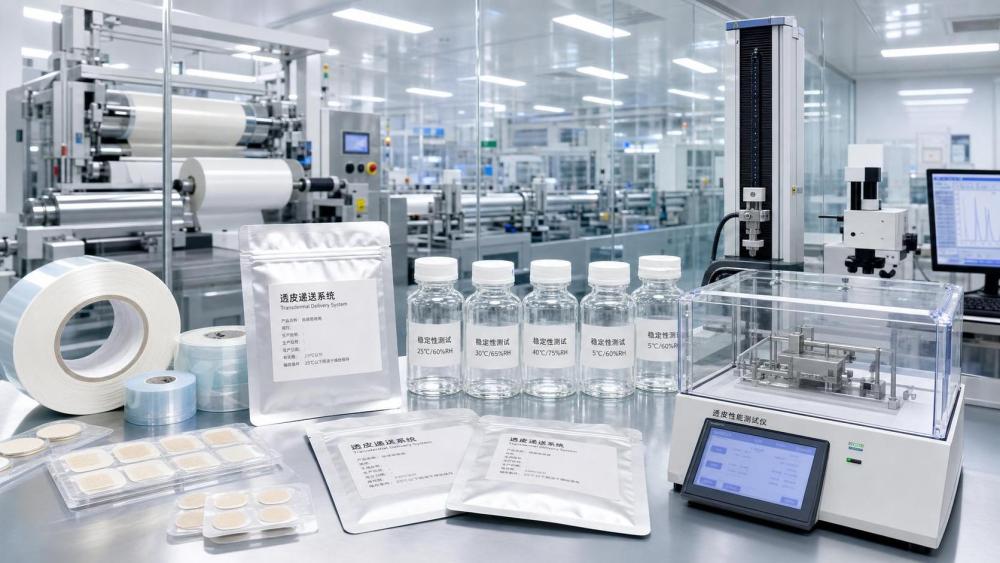
A modern transdermal delivery systems supplier may support patches, films, gels, emulsions, microreservoir formats, or enhancer-based systems. Each option brings different technical risks. A supplier that performs well in a pilot batch may still fail under long storage cycles or commercial output conditions.
In practical terms, the evaluation must go beyond lead time and quotations. The real question is whether the supplier can preserve active integrity, control permeation behavior, and reproduce the same material profile from development through launch.
This is especially relevant in adjacent FMCG segments. Anti-aging peptides, botanical extracts, essential oils, and skin-benefit compounds often depend on controlled penetration and stable carrier systems. A weak supplier relationship can compromise both formula science and market positioning.
What a Strong Transdermal Platform Should Demonstrate
Not every transdermal delivery systems supplier offers the same level of technical depth. Some mainly provide a manufacturing service. Others bring a validated platform with material science, permeation data, and regulatory documentation already built into the process.
A stronger supplier usually shows evidence in five areas:
- Compatibility between active ingredients and adhesive or carrier matrix
- Predictable release and skin permeation behavior
- Stability under thermal, humidity, and light stress
- Transferability from lab scale to commercial production
- Regulatory and quality systems aligned with target markets
These points sound basic, yet gaps usually appear in the details. One supplier may have good in vitro diffusion data but weak packaging validation. Another may have excellent quality documents but limited experience with volatile fragrance actives or oxidation-sensitive peptide systems.
Stability Is More Than a Shelf-Life Number
When assessing a transdermal delivery systems supplier, stability should be read as a system property, not a single certificate. The active, enhancer, adhesive, backing layer, liner, solvent residue, and pouch material all interact over time.
A useful review starts with the degradation pathways. Is the active prone to oxidation, hydrolysis, crystallization, evaporation, or pH drift? Does the matrix immobilize it effectively, or does migration increase with temperature?
For high-value cosmetic actives, the concern is often subtle. A formula may still look acceptable while peptide activity drops or fragrance notes shift. In those cases, appearance alone says very little about functional stability.
Questions That Reveal Real Stability Control
- What accelerated and long-term protocols were used?
- Which critical quality attributes were trended over time?
- Was permeation performance retested after aging?
- How was package compatibility verified?
- What were the acceptable limits for active loss or crystallization?
A credible supplier should answer these points with data, not broad assurances.
Scale-Up Readiness Often Separates Viable Suppliers from Attractive Prototypes
Scale changes material behavior. Coating thickness may drift. Drying conditions may alter residual solvent levels. Lamination pressure can affect adhesion. Minor process changes can shift release kinetics enough to invalidate early performance assumptions.
That is why a transdermal delivery systems supplier should be evaluated on manufacturing discipline as much as formulation knowledge. Process capability matters. So does line configuration, environmental control, and batch genealogy.
The best suppliers can explain not only what they produce, but how process parameters are locked, monitored, and adjusted without disturbing product performance.
Regulatory Alignment Should Match the Intended Market
A transdermal delivery systems supplier working across cosmetic, wellness, and therapeutic spaces must understand classification boundaries. The documentation needed for a cosmetic patch differs from what is expected for a drug-device combination or a quasi-drug route in some regions.
This is where FFAI’s broader intelligence lens becomes useful. The same global pressure seen in food preservation, fragrances, and anti-aging actives also applies here: brands need efficacy, but they also need clean documentation, compliance visibility, and smoother market entry.
Documentation Worth Requesting Early
- Quality certifications and audit history
- Material specifications and analytical methods
- Residual solvent and impurity profiles
- Biocompatibility or skin irritation data
- Change notification procedures
- Market-specific compliance statements
A supplier that hesitates on these basics may become difficult later, especially once claims, export filing, or post-launch deviations appear.
Application Context Changes the Supplier Scorecard
The right transdermal delivery systems supplier for a nicotine-style sustained release patch may not be the right one for a peptide beauty patch or a sensory wellness format using essential oils.
Volatile fragrance ingredients need special containment and barrier thinking. Anti-aging compounds may require oxidation control and gentler processing. Botanical actives often bring variability that affects loading and reproducibility. Adhesion targets also vary by wear time, body area, and user comfort expectations.
In adjacent FMCG categories, this is increasingly important. Consumers now expect measurable performance from premium skin and wellness products, not only attractive sensory positioning. That expectation turns delivery technology into a visible part of product value.
How to Run a More Useful Technical Assessment
A productive evaluation usually combines document review, technical discussion, sample testing, and process scrutiny. Looking at one layer alone creates blind spots.
A practical assessment flow
- Define the target profile for release, wear time, and active loading.
- Map the active’s sensitivity to heat, oxygen, moisture, and pH.
- Review formulation fit with the supplier’s platform technologies.
- Compare stability protocols against real storage and transport conditions.
- Check pilot data for batch consistency and coating uniformity.
- Audit change control, deviation handling, and scaling roadmap.
During this stage, the quality of supplier communication is itself a signal. A capable transdermal delivery systems supplier tends to discuss limits openly, identify formulation tradeoffs early, and explain where additional validation is necessary.
What to Watch Before Moving Forward
Late-stage problems often begin with early assumptions that were never tested. A polished prototype can hide weak scale economics, narrow process windows, or incomplete regulatory support.
A better decision comes from comparing suppliers against the same technical matrix, then weighting the result by product intent. For a prestige beauty format, active preservation and sensory compatibility may outweigh unit cost. For a mass-market health product, throughput and batch reproducibility may dominate.
The most useful next step is to turn qualitative impressions into a structured review sheet. Rank each transdermal delivery systems supplier on stability evidence, scale-up readiness, documentation quality, process transparency, and application fit. That creates a stronger basis for trial design, supplier shortlisting, and later commercialization decisions.
Related News
- How to interpret active matter on a surfactant specification sheetOct 14, 2026Prof. Elian Thorne
- What Quality Checks Should You Run on Fragrance Ingredient Suppliers?Oct 14, 2026Prof. Elian Thorne
- How to assess a flavor chemistry manufacturer's batch consistencyOct 13, 2026Prof. Elian Thorne
- What drives fragrance ingredients price changes in bulk orders?Oct 12, 2026Prof. Elian Thorne
Related News
- 00
0000-00
Verifying halal status of hydrocolloid ingredients in the Middle East - 00
0000-00
How to interpret active matter on a surfactant specification sheet - 00
0000-00
What Quality Checks Should You Run on Fragrance Ingredient Suppliers? - 00
0000-00
How to assess a flavor chemistry manufacturer's batch consistency - 00
0000-00
What drives fragrance ingredients price changes in bulk orders?
Prof. Elian Thorne
Weekly Insights
Stay ahead with our curated technology reports delivered every Monday.