





On June 10, 2026, Malaysia’s Ministry of Health released a consultation draft that would require prepackaged beverages to carry a four-tier sugar grading label from A to D starting in Q1 2027, while also limiting the use of high-GI carbohydrate ingredients. For beverage brands, ingredient suppliers, traders, and procurement teams, the development matters because it links future labeling pressure directly with formulation choices, accelerating attention on natural sweeteners and modified starches with lower glycemic positioning.
What the draft proposal confirms
According to the information provided, the Malaysian health authority issued the draft for comment on June 10, 2026. The proposal would make sugar-grade labeling mandatory for prepackaged beverages from Q1 2027, using four levels from A to D. The same draft also signals restrictions on carbohydrate ingredients with high GI values.
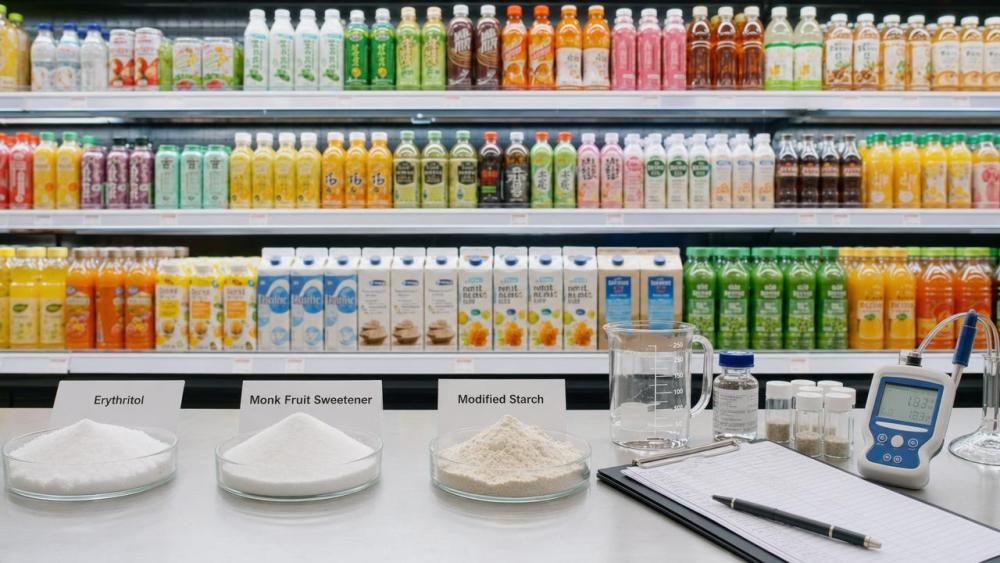
The immediate market response described in the input is that local brands are speeding up the replacement of cane sugar with erythritol, mogrosides, and lower-glycemic modified starches such as hydroxypropyl starch. The input also states that China, as the world’s largest exporter of natural sweeteners and modified starches, is expected to see orders from Malaysia rise by more than 35% in the second half of 2026.
Where the pressure is likely to appear first
Formulation decisions move closer to compliance
From an industry perspective, beverage manufacturers are among the first groups likely to feel the impact because the proposed label system and ingredient restrictions both point back to recipe design. The main business effect is likely to appear in product reformulation, ingredient screening, and coordination between regulatory, R&D, and procurement teams.
Ingredient suppliers face a more targeted demand shift
Suppliers of sweetening systems and modified starches may be affected because the draft changes what local beverage brands are likely to prioritize in upcoming sourcing rounds. What deserves closer attention is not only higher interest in erythritol, mogrosides, and hydroxypropyl starch, but also whether buyers begin asking for clearer technical and application documentation tied to lower-glycemic positioning.
Traders and export-oriented sellers may see faster quote cycles
Direct trade companies and export sellers could be influenced through shorter procurement timelines and a stronger focus on Malaysia-bound orders. Analysis shows that if brands accelerate substitution plans before the proposed Q1 2027 start date, trading activity may shift from routine replenishment toward project-based sourcing linked to reformulation schedules.
Supply chain service providers need to watch execution details
For logistics, documentation, and cross-border supply chain service providers, the impact may emerge through delivery timing, product specification checks, and communication between buyers and sellers. Observably, once a policy draft starts shaping commercial decisions, execution risks often move from market demand itself to whether materials, paperwork, and delivery windows align with customer reformulation plans.
What companies should track now
Watch how the final wording evolves
The current development is still a consultation draft, so companies should distinguish between the policy signal and the final operating rules. The most important near-term task is to follow whether the final language on grading criteria, implementation timing, and high-GI carbohydrate limits changes before Q1 2027.
Focus on categories tied to beverage reformulation
Businesses involved in natural sweeteners and modified starches should pay close attention to beverage applications most likely to move first. The practical issue is not broad market enthusiasm, but which product lines are actively replacing cane sugar and where lower-glycemic starch modification becomes commercially relevant.
Prepare procurement and delivery plans early
For exporters and suppliers, this is a period to review lead times, production scheduling, and customer communication. If projected Malaysian demand does rise in the second half of 2026, the operational pressure may appear in order confirmation speed, supply continuity, and the ability to provide consistent product specifications.
Keep supplier documents and customer communication aligned
Companies working across borders should also review how they present ingredient information to customers. Analysis shows that when regulatory attention and reformulation demand move together, supplier qualifications, product descriptions, and order documents become more important in reducing delays and misunderstandings.
Why this looks like more than a short-term headline
This section is an observation rather than a statement of fact. It is more appropriate to understand this development as an active policy signal with early commercial effects, rather than as a fully settled market outcome. The consultation draft already appears strong enough to influence purchasing and formulation behavior, but the full scale of change still depends on final rule design and how quickly beverage brands convert policy preparation into long-term ingredient contracts.
From an industry perspective, the development deserves continued attention because it does not affect only labeling. It also connects front-of-pack communication, ingredient selection, and cross-border sourcing decisions in a single chain of action. That makes it relevant not only to Malaysian beverage companies, but also to upstream exporters and suppliers preparing for demand changes.
How this development is best understood today
At this stage, the news should be read as a meaningful regulatory and sourcing signal rather than a completed market shift. The confirmed facts point to a proposed labeling framework, limits on high-GI carbohydrate use, and an early move by local brands toward substitute ingredients. The broader commercial outcome remains something the industry should monitor carefully as consultation details, customer purchasing behavior, and cross-border order flow continue to develop.
About the basis of this article
This article is based on the user-provided news title, event date, and event summary. For this type of industry update, relevant source categories would typically include official government notices, company disclosures, industry association updates, authoritative media coverage, and standards-related documents. A specific official source link was not provided in the input, so the exact source document still needs ongoing verification. What should be followed next includes any updated wording from Malaysian authorities, implementation details for the grading system, and whether projected order growth translates into sustained purchasing activity.
Related News
- Functional Food Additives for Bakery: Performance and Labeling BasicsJul 09, 2026Food Rheology Expert
- Bio-Based Thickeners: Cost and Performance in Food FormulationJun 25, 2026Food Rheology Expert
- Indonesia Duties Chinese PP, Affecting Starch and Flavor CarriersJun 21, 2026Food Rheology Expert
- Argentina Tightens Inorganic Arsenic LimitsJun 18, 2026Food Rheology Expert
Related News
- 00
0000-00
Can biomimetic peptides in cosmetics reduce the look of wrinkles? - 00
0000-00
How to assess a bio-based thickener manufacturer's batch consistency - 00
0000-00
Verifying halal status of hydrocolloid ingredients in the Middle East - 00
0000-00
How to interpret active matter on a surfactant specification sheet - 00
0000-00
How Do You Test Hydrocolloid Viscosity After Changing a Thickener?
Food Rheology Expert
Weekly Insights
Stay ahead with our curated technology reports delivered every Monday.