





Molecular Gastronomy Ingredients for Stable Foams and Gels
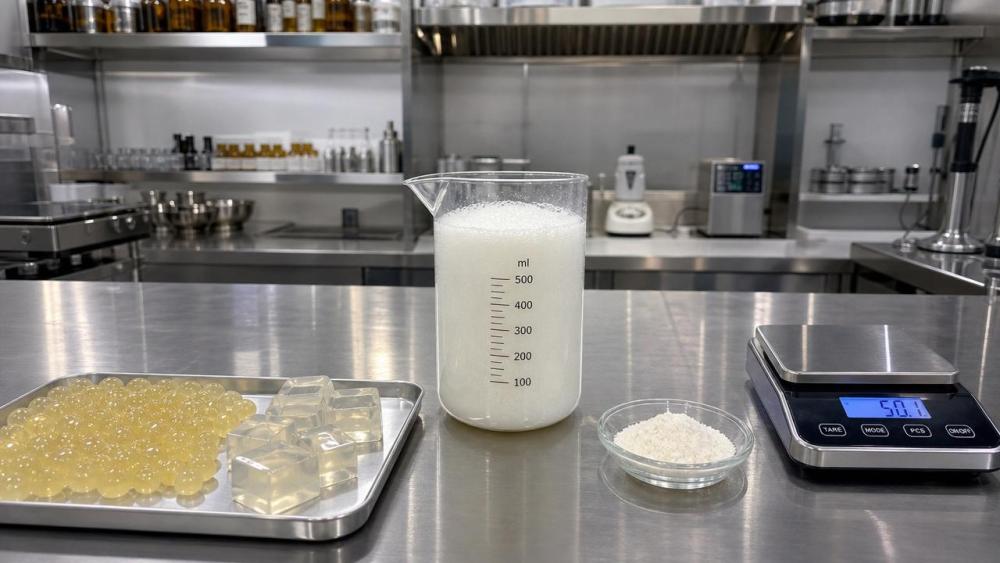
In molecular gastronomy, stable foams and gels turn everyday liquids into precise, memorable textures—but only when operators choose the right ingredients and control dosage, temperature, hydration, and shear.
From lecithin-based airs to alginate gels and xanthan-stabilized sauces, each hydrocolloid or emulsifier has a specific function in texture design.
This guide introduces practical ingredient choices for chefs, technicians, and product developers who need consistent performance, clean sensory impact, and reliable results in modern culinary applications.
Why Molecular Gastronomy Needs a Checklist Approach
Texture failure is rarely random. Most molecular gastronomy problems come from mismatched ingredients, poor hydration, incorrect pH, excess heat, or uncontrolled mechanical force.
Foams collapse when bubbles drain too quickly. Gels break when ions, acids, sugars, or alcohol interfere with network formation.
A checklist helps connect sensory goals with ingredient chemistry. It also prevents trial-and-error waste in restaurants, pilot kitchens, and specialty food development.
For stable molecular gastronomy results, the question is not only “which ingredient works.” The better question is “under which conditions does it work best.”
Core Ingredient Checklist for Foams and Gels
Use this checklist before choosing any molecular gastronomy ingredient. It connects target texture, base liquid, processing method, and final serving condition.
- Define the final texture first, then choose between airy foam, dense mousse, elastic gel, brittle gel, fluid gel, or suspended sauce.
- Measure pH, because alginate, gelatin, pectin, proteins, and emulsifiers respond differently in acidic juices, dairy bases, or fermented liquids.
- Check sugar, salt, alcohol, and fat levels, since these components change hydration speed, gel strength, foam drainage, and perceived mouthfeel.
- Hydrate powders correctly by dispersing them under shear, blending with dry carriers, or pre-mixing into oil when clumping risk is high.
- Control temperature windows, because gelatin melts warmly, agar sets firmly, methylcellulose gels with heat, and xanthan hydrates without cooking.
- Set dosage by function, not habit, starting low and increasing gradually to avoid sliminess, rubbery bite, bitterness, or cloudy appearance.
- Match shear intensity to the ingredient, using high-speed blending for dispersion but gentle folding when protecting fragile foams.
- Record batch timing, because many molecular gastronomy gels strengthen after resting, while foams may weaken during service delays.
Best Ingredients for Stable Foams
Lecithin for Light Culinary Airs
Soy or sunflower lecithin is a classic molecular gastronomy emulsifier for light foams. It reduces surface tension and helps trap air in watery liquids.
Use it for citrus airs, herb infusions, tea foams, and aromatic broths. It performs best in low-fat bases with enough free water.
Typical dosage often starts near 0.3% to 0.8%. Blend near the surface to incorporate air without overheating delicate aromas.
Xanthan Gum for Foam Support
Xanthan gum is not a foaming agent by itself. In molecular gastronomy, it stabilizes foams by increasing viscosity and slowing liquid drainage.
It is useful in fruit bases, savory sauces, cocktail foams, and low-fat preparations. Excess xanthan can create a sticky or stringy finish.
Start around 0.05% to 0.2%. Hydrate thoroughly, rest to remove bubbles, then aerate only when the liquid is smooth.
Proteins for Creamy and Dense Foams
Egg white, whey protein, gelatin, and plant proteins help create more structured molecular gastronomy foams with body, elasticity, and slower collapse.
Protein foams suit mousses, warm espuma, dessert toppings, and savory siphon applications. They often need controlled heat or pressure.
Avoid aggressive acidity and excess fat unless the formula is balanced. Both can weaken protein unfolding and reduce foam volume.
Best Ingredients for Reliable Gels
Sodium Alginate and Calcium for Spherification
Sodium alginate is central to molecular gastronomy spherification. It forms gels when calcium ions crosslink the alginate chains.
Use direct spherification for low-calcium liquids. Use reverse spherification for dairy, calcium-rich juices, cocktails, and fillings that should stay liquid inside.
Watch pH carefully. Strong acidity can prevent proper gelation, so buffering with sodium citrate may be necessary in citrus or vinegar bases.
Agar for Firm, Heat-Stable Gels
Agar creates firm, brittle gels that resist warm service better than gelatin. It is valuable in molecular gastronomy terrines, cubes, sheets, and fluid gels.
It must be brought close to boiling for full hydration. After setting, it can be blended into a smooth fluid gel.
Agar gives clean flavor release, but high dosage can feel dry or crumbly. Balance firmness with the desired bite.
Gelatin for Elastic, Melt-in-Mouth Gels
Gelatin remains important in molecular gastronomy because it melts near body temperature. This creates a familiar, luxurious release.
Use gelatin for panna cotta, savory aspics, mousse bases, and soft dessert gels. Bloom it in cold liquid before heating gently.
It is not ideal for hot service. Enzyme-rich fruits such as pineapple and kiwi may require heating to deactivate proteases.
Pectin for Fruit-Led Gel Systems
Pectin supports fruit-forward molecular gastronomy applications. High-methoxyl pectin needs sugar and acid, while low-methoxyl pectin gels with calcium.
Use it for pâte de fruit, fruit sheets, glazes, and clean-label dessert components. Choose the type according to sugar reduction goals.
Incorrect pectin selection causes weak set, syneresis, or grainy texture. Always match pectin grade to solids, pH, and calcium availability.
Application Notes for Different Culinary Scenarios
Cocktails, Beverages, and Aromatic Foams
Molecular gastronomy beverage foams need fast formation and short-term stability. Lecithin, xanthan, methylcellulose, and proteins are common choices.
Alcohol can weaken foam structure, so increase viscosity slightly or use a protein-supported system. Keep aroma bright by avoiding unnecessary heating.
Fine Dining Plating and Warm Service
For warm molecular gastronomy plates, ingredient thermal behavior matters. Agar, gellan gum, and methylcellulose can outperform gelatin in heated conditions.
Methylcellulose is especially unusual because it gels when heated and softens when cooled. It works well for hot foams and formed bites.
Retail Sauces, Desserts, and Prepared Foods
In packaged molecular gastronomy-inspired foods, stability must survive transport, refrigeration, and holding time. Xanthan, guar, carrageenan, and pectin are practical stabilizers.
Sensory cleanliness is critical. Use the lowest functional dosage and test flavor release, color, suspension, freeze-thaw behavior, and label expectations.
Commonly Ignored Risks in Molecular Gastronomy Formulation
Poor Powder Dispersion
Hydrocolloids often clump when added directly to water. Pre-blend powders with sugar, disperse under strong shear, or hydrate slowly into a vortex.
Wrong Acid Balance
Acid changes gel strength, protein behavior, and alginate performance. Measure pH instead of guessing, especially in fruit, vinegar, wine, or fermented bases.
Over-Thickening for Safety
Adding more stabilizer may prevent collapse, but it can destroy elegance. Molecular gastronomy should enhance texture without masking flavor or creating gumminess.
Ignoring Holding Conditions
A foam that looks perfect after blending may fail after ten minutes. A gel that sets overnight may become too firm by service.
Confusing Similar Ingredients
Different grades of gellan, pectin, alginate, and carrageenan behave differently. Supplier specifications matter as much as the ingredient name.
Practical Execution Guide for Consistent Results
Successful molecular gastronomy depends on repeatable process control. Small changes in scale, blender speed, or resting time can alter final texture.
- Start with a one-kilogram test batch so percentages are easy to calculate and ingredient adjustments remain accurate.
- Weigh every powder to 0.01 gram when possible, because hydrocolloids are powerful even at very low usage levels.
- Document water temperature, blending time, resting time, pH, and final serving temperature for each molecular gastronomy test.
- Evaluate texture at production time and at service time, since gels and foams often change during holding.
- Run a sensory check for aroma release, mouth coating, bitterness, color shift, and any powdery or elastic afterfeel.
- Confirm food-grade status, allergen implications, regional compliance, and clean-label positioning before scaling any formula.
When designing a new foam, begin with the base liquid. If it is watery, consider lecithin plus xanthan for support.
If the base is creamy, protein or gelatin may give better body. For siphon foams, test pressure, fat level, and nozzle size.
When designing a gel, select by bite and service temperature. Use gelatin for soft melt, agar for firm heat tolerance, and alginate for capsules.
For molecular gastronomy fluid gels, set the gel first, then shear it into a smooth sauce. This creates suspension with a clean plated shape.
Summary and Next Action Checklist
Stable foams and gels come from matching ingredient function with formulation conditions. Molecular gastronomy rewards precision more than improvisation.
Lecithin creates light airs. Xanthan slows drainage. Proteins build richer foams. Alginate, agar, gelatin, and pectin create different gel structures.
The next step is simple: define the target texture, measure the base liquid, choose the ingredient system, and test dosage in controlled batches.
- Choose one foam or gel target and write down the exact sensory result expected before starting trials.
- Measure pH, solids, fat, alcohol, and calcium risk so the molecular gastronomy ingredient choice is evidence-based.
- Test two or three dosages only, then compare appearance, stability, flavor release, and mouthfeel after realistic holding time.
- Keep the best formula as a controlled standard, including ingredient grade, supplier data, process steps, and serving conditions.
With disciplined testing, molecular gastronomy becomes more than visual surprise. It becomes a reliable texture system for flavor, structure, and memorable eating experiences.
Related News
- Verifying halal status of hydrocolloid ingredients in the Middle EastOct 15, 2026Food Rheology Expert
- How cassava costs shape Thailand xanthan gum market pricesSep 29, 2026Food Rheology Expert
- Can Thailand's xanthan gum market support stable export supply?Sep 28, 2026Food Rheology Expert
- How food hydrocolloids prevent ice crystals in frozen dessertsSep 14, 2026Food Rheology Expert
Related News
- 00
0000-00
Verifying halal status of hydrocolloid ingredients in the Middle East - 00
0000-00
How to interpret active matter on a surfactant specification sheet - 00
0000-00
What Quality Checks Should You Run on Fragrance Ingredient Suppliers? - 00
0000-00
How to assess a flavor chemistry manufacturer's batch consistency - 00
0000-00
What drives fragrance ingredients price changes in bulk orders?
Food Rheology Expert
Weekly Insights
Stay ahead with our curated technology reports delivered every Monday.