





The timing of the underlying disruption is not clearly specified in the available information, but the latest release tied to the ISSA AASI update on 2026-06-26 has drawn attention across amino acid surfactant trading, contract manufacturing, procurement, and downstream formulation activity. The reason is not only the 12.3% month-on-month rise in the global price index, but also the fact that the move is linked to an interruption in a key intermediate for sodium cocoyl glycinate, with delivery cycles at China-based export-oriented manufacturers reportedly extending to 14-18 weeks.
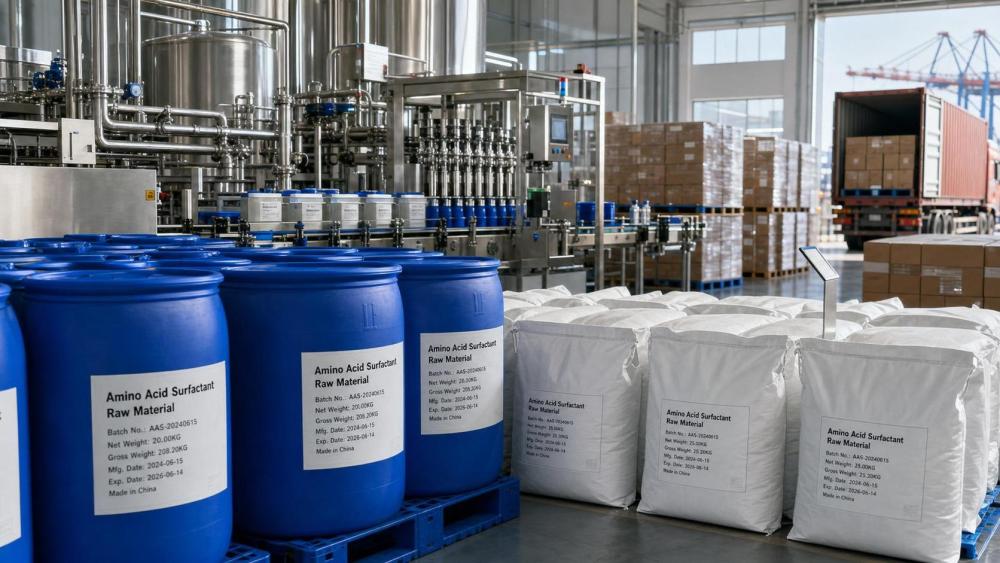
A price spike tied to one specific upstream interruption
According to the AASI data released by ISSA on 2026-06-26, the global FOB average price for Amino Acid Surfactants, represented by sodium cocoyl glycinate, reached $18,420 per ton in June. This was up 12.3% from the previous month and marked the highest level since 2024.
The stated driver was a production suspension affecting N-carboxymethyl glycinate sodium (CMG-Na), a key intermediate, at a major supplier in Japan during an environmental compliance inspection. As a result, export-oriented contract manufacturers in China were reported to have extended lead times to 14-18 weeks.
Where the pressure is likely to show first
Export trading desks may face a narrower quotation window
From an industry perspective, direct trading companies may be affected first because a sharp month-on-month price move combined with longer lead times can complicate offer validity, shipment planning, and contract timing. What deserves closer attention is whether quoted terms, replenishment assumptions, and customer confirmation cycles still match actual supply conditions.
Procurement teams may need to reassess supply continuity
For raw material buyers and sourcing teams, the issue is not only the higher FOB level but also the disruption at the intermediate stage. Analysis shows that purchasing decisions may now depend more heavily on supplier delivery credibility, not just nominal price. Buyers should watch for further changes in lead-time commitments and availability for import-grade material linked to sodium cocoyl glycinate.
Contract manufacturers could see scheduling strain
Processing and manufacturing businesses, especially export-oriented toll or OEM producers, are likely to feel the impact through production scheduling and order sequencing. With reported delivery extensions to 14-18 weeks, the pressure may appear in customer allocation, production-slot planning, and shipment coordination rather than only in raw material cost.
Downstream formulators may need earlier communication with customers
Terminal application companies and formulation-based buyers may not be exposed directly to the intermediate shortage, but they could still be affected through delayed input arrivals or changed sourcing terms. Observably, the practical concern here is whether product development, replenishment, or export order execution depends on grades using sodium cocoyl glycinate as a key surfactant input.
What companies should monitor now
Track supplier statements against actual lead times
Analysis shows that the most immediate operational issue is the gap that can emerge between formal supplier communication and real shipment capability. Companies should compare quoted lead times, confirmed order dates, and shipment readiness closely, especially where business depends on export delivery commitments.
Review exposure to CMG-Na-linked product lines
What deserves closer attention is whether affected procurement or sales exposure is concentrated in product lines tied to sodium cocoyl glycinate. This is a more practical checkpoint than treating the entire surfactant basket as equally exposed, because the current signal is tied to a named intermediate and a clearly identified supply interruption.
Recheck contract execution and customer communication cycles
For manufacturers, traders, and service providers, the 14-18 week lead-time indication makes delivery communication more important than routine price updates alone. Companies should review shipment promises, order confirmation timing, and any documentation or scheduling dependencies that may affect performance under existing contracts.
Separate price movement from longer-term supply assumptions
From an industry perspective, a one-month index jump and a current upstream suspension should not automatically be read as a settled long-term supply pattern. Firms should monitor whether later official disclosures, supplier updates, or industry notices confirm continued tightness or indicate normalization.
Why this matters beyond the monthly index move
Analysis shows that this development is meaningful because it combines two signals at once: a visible index increase and a clearly identified disruption in a key intermediate. That makes the update more than a routine pricing fluctuation. At the same time, it is more appropriate to understand this as a supply-chain warning signal rather than a complete conclusion about the broader amino acid surfactant market.
Observably, the market still needs further verification on duration, recovery pace, and whether the current disruption remains limited to the reported upstream event or expands into wider contract and shipment effects. For that reason, the situation still belongs in the category of industry dynamics that require continued observation.
How this update is best understood at this stage
At this stage, the June AASI increase is best read as a short-term but important market signal centered on supply continuity for sodium cocoyl glycinate-related materials. The confirmed facts point to tighter supply conditions, higher FOB pricing, and longer lead times at some export-oriented manufacturers. The broader business implication is real, but the final scope of impact still depends on subsequent supplier recovery and follow-up market disclosures.
Basis of this article and what still needs verification
This article is based on the user-provided news title, event timing description, and event summary. The specific official source link was not provided in the input and should therefore be continuously verified in follow-up review.
For this type of development, commonly relevant source categories include official announcements, company statements, industry association releases, authoritative media reporting, and standard-setting or compliance-related documents. The next points worth monitoring are any updated official wording around the supply interruption, changes in lead-time guidance, and subsequent AASI releases that may confirm whether the June move remains temporary or develops into a longer-running market pattern.
Related News
- When does amino acid surfactant powder improve cleanser mildness?Oct 05, 2026Surfactant Chemistry Architect
- When to Seek Shampoo Formulation Support for Foam, Mildness, or Stability IssuesAug 07, 2026Surfactant Chemistry Architect
- FDA Tightens GRAS Data Requirements for Amino Acid SurfactantsJul 20, 2026Surfactant Chemistry Architect
- Amino Acid Surfactant Prices Rise on Coconut Oil TightnessJul 15, 2026Surfactant Chemistry Architect
Related News
- 00
0000-00
How to assess color stability from a natural food colors manufacturer - 00
0000-00
When does amino acid surfactant powder improve cleanser mildness? - 00
0000-00
How to verify a cosmetic nanotechnology supplier's safety documentation - 00
0000-00
How rheological thickeners for shampoo affect suspension stability - 00
0000-00
How to assess recombinant collagen ingredients for cream stability
Surfactant Chemistry Architect
Weekly Insights
Stay ahead with our curated technology reports delivered every Monday.