





Amino Acid Based Surfactants: Performance Limits and Best-Fit Uses
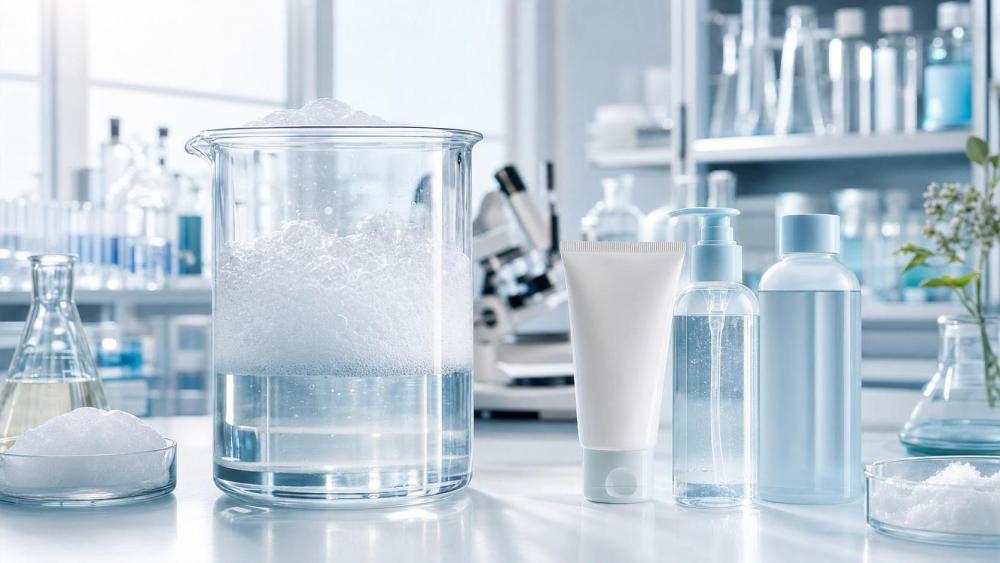
Amino acid based surfactants are often positioned as the premium answer to modern cleansing needs.
They support mildness, cleaner positioning, and a softer after-feel.
That sounds attractive, especially in personal care and gentle wash systems.
Still, amino acid based surfactants are not a plug-and-play upgrade for every formula.
Their strengths are real, but their performance limits matter just as much.
In practical work, the decision usually comes down to soil type, rinse profile, foam target, pH window, and cost tolerance.
This is why amino acid based surfactants perform brilliantly in some systems and disappoint in others.
A clearer view helps avoid expensive positioning mistakes.
What Amino Acid Based Surfactants Actually Do Well
At their best, amino acid based surfactants balance cleansing with comfort.
That balance is why they remain popular in facial cleansers, baby wash, scalp-sensitive shampoos, and premium body cleansers.
Compared with harsher systems, they tend to reduce tightness after rinsing.
They also fit well with the broader shift toward biodegradable and skin-conscious ingredients.
From a sensory angle, amino acid based surfactants often create creamier foam and a smoother wet feel.
That matters in formulas where user perception is part of the product value.
- Good mildness profile for frequent-use cleansing
- Pleasant foam texture in rinse-off systems
- Strong fit with sulfate-free positioning
- Useful in low-irritation and premium product claims
- Better brand story around biodegradability and ingredient image
So the value of amino acid based surfactants is not only chemical.
It is also commercial, sensory, and regulatory-facing.
Where the Performance Limits Show Up
This is where many teams overestimate amino acid based surfactants.
Mildness does not always equal strong detergency.
In heavy oil removal, makeup breakdown, or deep sebum cutting, they may feel underpowered when used alone.
This becomes more obvious in hard water, cold water, or fast-rinse routines.
Foam volume can also be misleading.
Some amino acid based surfactants deliver elegant foam texture, but not the fast, abundant flash foam expected in mass-market wash products.
Cost is another limit that cannot be ignored.
A fully amino acid based surfactants system may not survive price pressure in mainstream detergent or high-use institutional formats.
The main weak points usually include the following:
- Lower grease-cutting strength versus stronger anionic systems
- Higher raw material cost
- Potential viscosity challenges in certain salt or pH conditions
- Foam expectations may not match consumer habits in every market
- Some systems need co-surfactants for stable performance
In short, amino acid based surfactants are rarely the cheapest or strongest cleaners.
They win when the target is balanced mild cleansing, not maximum stripping power.
Best-Fit Uses for Amino Acid Based Surfactants
The best applications are the ones that reward softness, skin feel, and repeat use.
That is the sweet spot for amino acid based surfactants.
1. Facial cleansers
Facial wash is one of the clearest use cases.
Here, amino acid based surfactants help remove daily soil without leaving the skin feeling squeaky or dry.
They work especially well in low to medium makeup routines.
2. Scalp-sensitive shampoos
For users washing often, scalp comfort becomes a selling point.
Amino acid based surfactants support that promise better than aggressive detergent systems.
They are also useful in color-care and dryness-focused shampoo concepts.
3. Baby and family wash
This category values mildness and trust more than extreme cleansing power.
That makes amino acid based surfactants a logical fit.
4. Premium body cleansers
In body wash, feel matters as much as foam.
Amino acid based surfactants help support a richer rinse feel and a gentler daily-use profile.
5. Mild intimate and specialty cleansers
These products usually need a careful balance between hygiene, comfort, and formula elegance.
That balance is one of the more reliable strengths of amino acid based surfactants.
Where They Are Usually Not the Best First Choice
Some jobs simply ask for more aggressive cleaning economics.
In those cases, amino acid based surfactants are better used as supporting ingredients, not the backbone.
This does not mean amino acid based surfactants have no role there.
It means the role should be realistic.
Use them to soften irritation, improve sensory quality, or support premium claims, not to carry the whole cleaning burden alone.
How to Use Amino Acid Based Surfactants More Effectively
In actual formulation work, blend strategy matters more than ingredient headlines.
Most successful systems do not rely on amino acid based surfactants alone.
They combine them with amphoteric, nonionic, or selected anionic partners.
- Define the real cleaning job first, including soil type and rinse behavior.
- Match amino acid based surfactants to mildness-led products, not every cleansing task.
- Use co-surfactants to improve foam speed, detergency, or viscosity control.
- Check pH stability and salt response early in development.
- Evaluate hard water performance before scale-up.
- Test consumer foam perception, not only lab foam numbers.
- Model ingredient cost against claim value and repeat purchase potential.
One useful rule is simple.
If the formula sells on comfort and premium feel, amino acid based surfactants deserve serious consideration.
If it sells mainly on low cost and extreme soil removal, they may not be the main answer.
Practical Decision Guide
Amino acid based surfactants are best understood as precision tools.
They are not universal replacements for stronger, cheaper, or more detergent-focused surfactants.
Their value becomes clear when the formula needs mild cleansing, sensory refinement, and a stronger safety story.
That is why amino acid based surfactants continue to grow in facial cleansing, premium hair care, and skin-sensitive wash systems.
The smart move is to choose them where their advantages are visible to the end user and defensible in product economics.
When evaluating amino acid based surfactants, start with the cleaning problem, then the sensory target, then the cost ceiling.
That sequence usually leads to better formulas and fewer positioning errors.
For teams building practical wash systems, that is the best way to turn amino acid based surfactants from a trend ingredient into a reliable solution.
Related News
- When does amino acid surfactant powder improve cleanser mildness?Oct 05, 2026Surfactant Chemistry Architect
- When to Seek Shampoo Formulation Support for Foam, Mildness, or Stability IssuesAug 07, 2026Surfactant Chemistry Architect
- FDA Tightens GRAS Data Requirements for Amino Acid SurfactantsJul 20, 2026Surfactant Chemistry Architect
- Amino Acid Surfactant Prices Rise on Coconut Oil TightnessJul 15, 2026Surfactant Chemistry Architect
Related News
- 00
0000-00
Verifying halal status of hydrocolloid ingredients in the Middle East - 00
0000-00
How to interpret active matter on a surfactant specification sheet - 00
0000-00
What Quality Checks Should You Run on Fragrance Ingredient Suppliers? - 00
0000-00
How to assess a flavor chemistry manufacturer's batch consistency - 00
0000-00
What drives fragrance ingredients price changes in bulk orders?
Surfactant Chemistry Architect
Weekly Insights
Stay ahead with our curated technology reports delivered every Monday.