





On May 24, 2026, authorities in Zhangzhou, Fujian Province, disclosed investigation findings on the illegal use of unapproved additives in bayberry processing — triggering traceability actions targeting natural antioxidant suppliers, particularly rosemary extract. The incident directly impacts fruit processors, export traders, ingredient procurement teams, and supply chain compliance service providers, as it signals intensified regulatory scrutiny of processing aids used in fresh fruit post-harvest handling.
Event Overview
On May 24, 2026, Zhangzhou municipal authorities announced the results of an investigation into the ‘additive-soaked bayberries’ incident. Five bayberry collection points were criminally detained for using an unlabeled, unregistered ‘ultra-sweet no-brand additive’, later confirmed by testing to contain unauthorized synthetic sweeteners and undeclared preservatives. A total of 225 kg of non-compliant bayberries were seized. Regulatory agencies simultaneously launched unannounced inspections (‘fly-in checks’) on upstream suppliers of natural antioxidants, with specific focus on purchase-sale records and inspection reports for rosemary extract and tea polyphenol raw materials.
Industries Affected
Direct Export Trading Firms
Exporters supplying bayberries or processed fruit products to Southeast Asia are affected due to immediate re-evaluation of compliance documentation by overseas importers. The incident has prompted urgent compliance reviews of fruit processing aids across multiple Southeast Asian markets, potentially delaying shipments pending updated supplier declarations and test reports.
Raw Material Procurement Units
Procurement departments sourcing natural antioxidants (e.g., rosemary extract, tea polyphenols) for food-grade applications face heightened verification requirements. Regulators are now cross-checking batch-level traceability — including origin certificates, third-party lab reports, and declaration consistency between labels and actual composition — making historical procurement records subject to retrospective audit.
Fruit Processing & Packaging Manufacturers
Manufacturers applying processing aids during post-harvest handling (e.g., anti-browning, shelf-life extension) must reassess their formulation compliance. Use of any antioxidant — even if naturally derived — is now contingent upon full regulatory approval status in the target market, not just GRAS or general food-use recognition.
Supply Chain Compliance Service Providers
Third-party auditors, certification bodies, and traceability platform vendors are seeing increased demand for rapid verification of supplier documentation, especially for botanical extracts used in fruit treatment. However, no new national standards or technical guidelines have been issued yet — current enforcement relies on existing GB standards and administrative discretion.
Key Actions for Enterprises and Practitioners
Monitor official updates on additive categorization and enforcement scope
Regulatory notices issued after May 24, 2026, may clarify whether ‘processing aids’ fall under stricter controls previously applied only to direct food additives. Enterprises should track announcements from SAMR and CNCA, especially any forthcoming lists of prohibited or conditionally approved substances for fresh produce treatment.
Prioritize traceability readiness for high-attention natural ingredients
Rosemary extract and tea polyphenols are now designated as high-priority traceability items in fruit-related supply chains. Companies should verify that all current and historical lots include complete documentation: supplier qualification files, batch-specific COA (Certificate of Analysis), and proof of regulatory compliance in both production and destination markets.
Distinguish between policy signaling and operational enforcement
This incident reflects a targeted enforcement action, not a broad regulatory revision. While rosemary extract is under active review, no recall or suspension of its general use has been mandated. Enterprises should avoid overreacting (e.g., halting all orders) but instead strengthen internal documentation protocols ahead of possible future audits.
Prepare supplier communication and contingency plans for key export markets
Given Southeast Asian importers’ ongoing compliance re-evaluation, exporters should proactively share updated supplier declarations and recent test reports for all processing aids used. Where documentation gaps exist, initiate corrective timelines with suppliers — particularly for batches shipped between May 15–24, 2026.
Editorial Observation / Industry Perspective
Observably, this incident functions less as a standalone enforcement outcome and more as a regulatory signal — highlighting how legacy practices around ‘generally accepted’ natural processing aids are now subject to granular, chain-wide accountability. Analysis shows regulators are increasingly linking downstream food safety incidents to upstream ingredient traceability, especially where botanical extracts serve functional roles akin to synthetic additives. From an industry perspective, the emphasis on rosemary extract does not indicate a safety concern per se, but rather reflects its prominence in commercial anti-oxidation formulations for perishable fruits — making it a logical focal point for systemic verification. Current enforcement remains case-specific, but the precedent sets a higher bar for evidentiary rigor in ingredient sourcing.
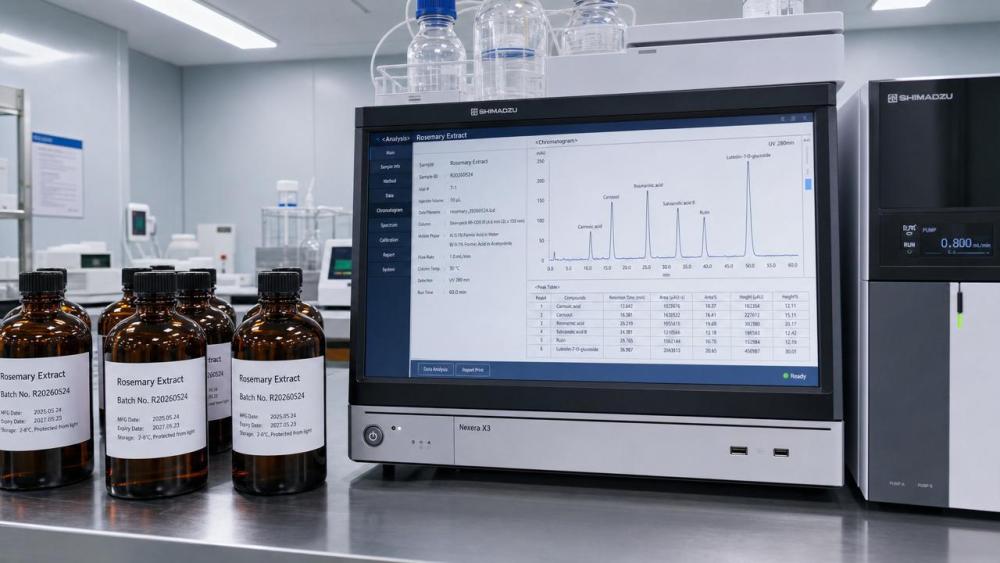
In summary, the Zhangzhou bayberry incident underscores a shift toward vertical accountability in fruit processing supply chains — where compliance responsibility extends beyond the packhouse to every tier of input sourcing. It is best understood not as a sudden regulatory pivot, but as an operational calibration aligned with existing frameworks: tighter execution of traceability mandates, not expansion of prohibited categories. Enterprises benefit most from treating this as a documentation and verification readiness benchmark — rather than a trigger for wholesale reform.
Source: Official announcement released by Zhangzhou Municipal Market Supervision Administration on May 24, 2026. Ongoing developments related to national-level guidance on processing aid classification remain under observation.
Related News
- How to assess color stability from a natural food colors manufacturerOct 06, 2026Food Rheology Expert
- When does amino acid surfactant powder improve cleanser mildness?Oct 05, 2026Surfactant Chemistry Architect
- How to verify a cosmetic nanotechnology supplier's safety documentationOct 04, 2026Dr. Chloe Vance
- How rheological thickeners for shampoo affect suspension stabilityOct 03, 2026Prof. Elian Thorne
Related News
- 00
0000-00
How to assess color stability from a natural food colors manufacturer - 00
0000-00
When does amino acid surfactant powder improve cleanser mildness? - 00
0000-00
How to verify a cosmetic nanotechnology supplier's safety documentation - 00
0000-00
How rheological thickeners for shampoo affect suspension stability - 00
0000-00
How to assess recombinant collagen ingredients for cream stability
Industry Global
Weekly Insights
Stay ahead with our curated technology reports delivered every Monday.