





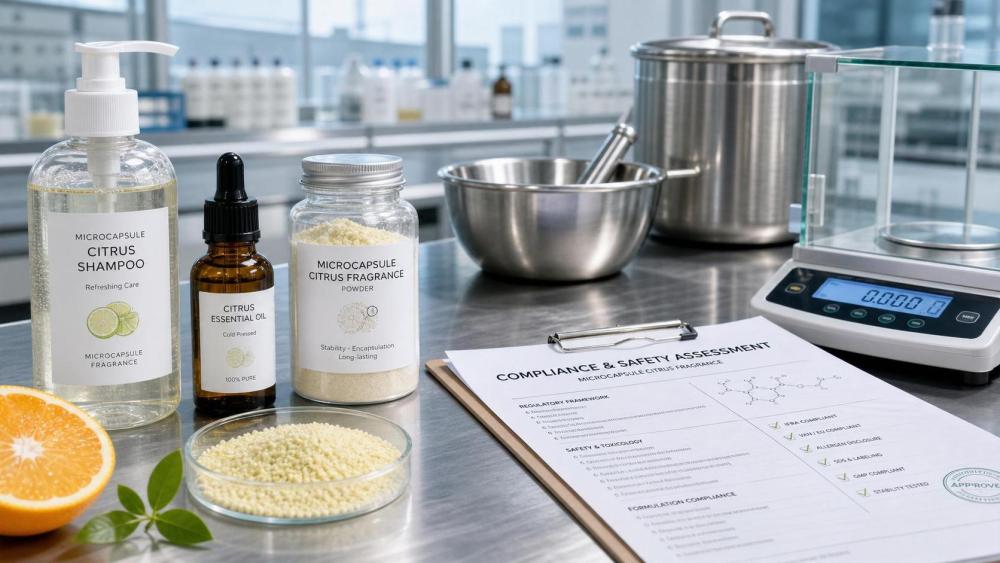
On 5 July 2026, IFRA released Standard Amendment 52B, reducing the maximum use level for microencapsulated limonene and linalool in rinse-off cosmetics such as shampoos from 2.5% to 1.2% based on new dermal sensitization data. With global application across IFRA-member markets from 1 October 2026, this update is directly relevant to fragrance suppliers, rinse-off product manufacturers, sourcing teams, regulatory functions, and cross-border market operators because it changes an established formulation threshold within a short implementation window.
What the amendment confirms
The confirmed information is limited but commercially significant. IFRA issued Standard Amendment 52B on 5 July 2026. The amendment lowers the permitted maximum use level for microencapsulated limonene and linalool in rinse-off cosmetics from 2.5% to 1.2%. The reason stated is new dermal sensitization data. The scope covers IFRA-member markets globally, including the EU, US, Canada, Australia, and Japan, and enforcement begins on 1 October 2026.
Where the pressure is likely to appear first
Formulation and fragrance supply interfaces
From an industry perspective, fragrance houses and cosmetic manufacturers are likely to feel the impact first at the formulation interface. Where rinse-off products rely on microencapsulated citrus fragrance systems containing limonene or linalool, the lower threshold may require a review of current fragrance loading levels and supporting compliance documentation.
Procurement and supplier coordination
Procurement teams may be affected because the issue is not only ingredient selection, but also whether supplied fragrance systems and related specifications still align with the new IFRA limit. What deserves closer attention is whether existing supplier documents, technical declarations, and order specifications reflect the 1.2% ceiling for the affected use case and timeline.
Cross-market product planning
For companies selling into multiple IFRA-member markets, the global application date matters operationally. The update may affect launch sequencing, stock planning, and market-wide product consistency, especially where one rinse-off formula is used across several regions covered by IFRA-member enforcement.
What companies should review now
Check affected rinse-off portfolios
Companies should first identify whether current rinse-off cosmetic lines use microencapsulated limonene or linalool and whether those products are positioned within the categories covered by the amendment, such as shampoos and similar rinse-off applications.
Confirm supplier statements and technical files
Analysis shows that one practical priority is document alignment. Businesses should review supplier statements, formulation records, and compliance files to confirm whether the updated IFRA restriction is already reflected or whether revisions are still pending ahead of the 1 October 2026 enforcement date.
Separate rule language from business readiness
What deserves closer attention is the difference between the publication of a standard change and full business implementation. Even when the rule text is clear, companies still need to assess impacts on purchasing cycles, product release timing, and customer communications in the affected markets.
Prepare market-facing communication
Teams handling customer accounts, regulatory responses, or private-label coordination may need a clear explanation of which products are affected, what the new limit is, and when the new requirement applies. This is particularly relevant where clients expect updated declarations or compliance confirmation before shipment or relisting.
Why this looks like more than a routine adjustment
Observably, this update should be read as an immediate compliance signal rather than a distant policy discussion, because a specific use limit has already been lowered and a defined enforcement date has been set. At the same time, it is more appropriate to understand this as a targeted regulatory-development signal within a narrow material and application scope, not as a confirmed broader shift beyond the substances, delivery form, and product type identified in the amendment.
How the market is likely to read it
From an editorial standpoint, the practical meaning of this development is clear: for affected rinse-off cosmetics, the acceptable operating range for certain microencapsulated citrus fragrance components is becoming tighter across multiple major markets at once. The short-term issue is execution and compliance readiness. The longer-term significance remains something to monitor, particularly in how companies adjust documentation, supply arrangements, and formulation strategies around IFRA-driven changes.
Basis of this article
This article is based on the user-provided news title, event date, and event summary concerning IFRA Standard Amendment 52B. For developments of this kind, commonly relevant source types may include official notices, trade association information, standard-setting documents, company regulatory updates, and reporting by authoritative industry media. A specific official source link was not provided in the input, so the exact source document should continue to be verified. Continued attention should focus on any follow-up wording, implementation clarification, or related compliance communication tied to the 1 October 2026 effective date.
Related News
- How to Choose Fragrance Ingredients for Diffusers That Stay Stable in Oil BasesAug 04, 2026Aromatics & Perfumery Fellow
- How to Choose Aroma Ingredients for Candles Based on Scent Throw and Wax CompatibilityAug 03, 2026Aromatics & Perfumery Fellow
- Home Diffuser Series Technical Guide for Fragrance BuyersJul 21, 2026Aromatics & Perfumery Fellow
- EU Bans More Microencapsulated Fragrance AllergensJul 16, 2026Aromatics & Perfumery Fellow
Related News
- 00
0000-00
2026 Osong Cosmetics and Beauty Expo Concludes in South Korea - 00
0000-00
How to compare cosmetic active compounds by their cost in use - 00
0000-00
HKBU Showcases DR2 Following NMPA Registration as a New Cosmetic Ingredient - 00
0000-00
How to use ingredient market insights to forecast sourcing costs - 00
0000-00
Galderma Marks 30 Years of Hyaluronic Acid Injectable Innovation
Aromatics & Perfumery Fellow
Weekly Insights
Stay ahead with our curated technology reports delivered every Monday.