





On 27 May 2026, the European Commission adopted Regulation (EU) 2026/245, authorising three amino acid-based surfactants—including sodium N-acyl glutamate (CAS 137-16-6)—for use as antistatic coating additives in plastic food contact materials (FCMs). With a maximum permitted use level of 0.5% and a specific migration limit of 5 mg/kg, this update addresses regulatory gaps for clean-label alternatives to quaternary ammonium compounds. Food packaging manufacturers, ingredient suppliers, and exporters of functional surfactants—particularly those active in EU-bound markets—should monitor implications for compliance, formulation, and market access.
Event Overview
Regulation (EU) 2026/245, published by the European Commission on 27 May 2026, amends Annex I to Regulation (EU) No 10/2011 on plastic materials and articles intended to come into contact with food. It adds three amino acid surfactants—including sodium N-acyl glutamate (CAS 137-16-6)—to the Union positive list of authorised substances for use in plastic FCMs. The substances are permitted solely as antistatic agents in coatings, with a maximum concentration of 0.5% by weight in the coating layer and a specific migration limit of 5 mg/kg into food simulants.
Industries Affected by This Update
Export-oriented surfactant manufacturers (especially from China): These companies may benefit from newly established regulatory acceptance of amino acid surfactants in high-value EU food packaging applications. The listing removes a key barrier to market entry for suppliers previously constrained by lack of explicit authorisation under EU FCM rules.
Plastic packaging converters and coaters: Formulators applying antistatic coatings to plastic films, trays, or containers must now verify whether existing or planned coating systems contain the newly listed substances—and whether their concentrations and migration profiles comply with the new limits.
Food brand owners and packaging specifiers: Brands seeking cleaner-label packaging solutions may now consider amino acid surfactants as technically compliant alternatives to traditional antistatic agents. However, adoption depends on performance validation and supply chain readiness—not just regulatory status.
Key Points for Enterprises and Practitioners to Monitor and Act On
Track official implementation timelines and national transposition
Regulation (EU) 2026/245 enters into force on the twentieth day following its publication. Enterprises should confirm the effective date of application for each substance, as some authorisations may include transitional provisions. National food safety authorities may issue supplementary guidance; monitoring these updates is essential for labelling and documentation alignment.
Verify substance identity and usage context against Annex I wording
The authorisation applies only to the three listed amino acid surfactants used specifically as antistatic agents in coatings—not as bulk polymer additives or in other material types (e.g., adhesives, inks, or multilayer structures unless explicitly covered). Companies must cross-check their technical dossiers, CAS numbers, and functional roles against the exact scope defined in the regulation.
Distinguish between regulatory authorisation and commercial viability
Listing confirms compliance eligibility but does not guarantee functional equivalence, cost competitiveness, or supply stability. Formulators should assess compatibility with existing coating resins, thermal stability during processing, and migration behaviour across food types—before committing to reformulation.
Prepare updated compliance documentation for EU customers
Suppliers will likely face requests for updated Declarations of Compliance (DoC), supporting test reports (including migration testing per Regulation (EU) No 10/2011), and full substance identification (including impurity profiles). Proactively aligning documentation with the new Annex I entries reduces delays in customer qualification processes.
Editorial Perspective / Industry Observation
Observably, this update represents a targeted regulatory refinement—not a broad policy shift. It fills a narrow but commercially relevant gap in the FCM framework, reflecting growing demand for bio-based, low-toxicity surface modifiers in food packaging. Analysis shows that while the listing enables market access, it does not automatically accelerate adoption: real-world uptake will depend on technical validation, supply chain scaling, and end-user risk perception. From an industry perspective, this development is better understood as a signal of regulatory openness to next-generation surfactants—rather than an immediate inflection point in material selection. Continued attention is warranted as further amino acid derivatives or similar biobased additives undergo evaluation under the same framework.
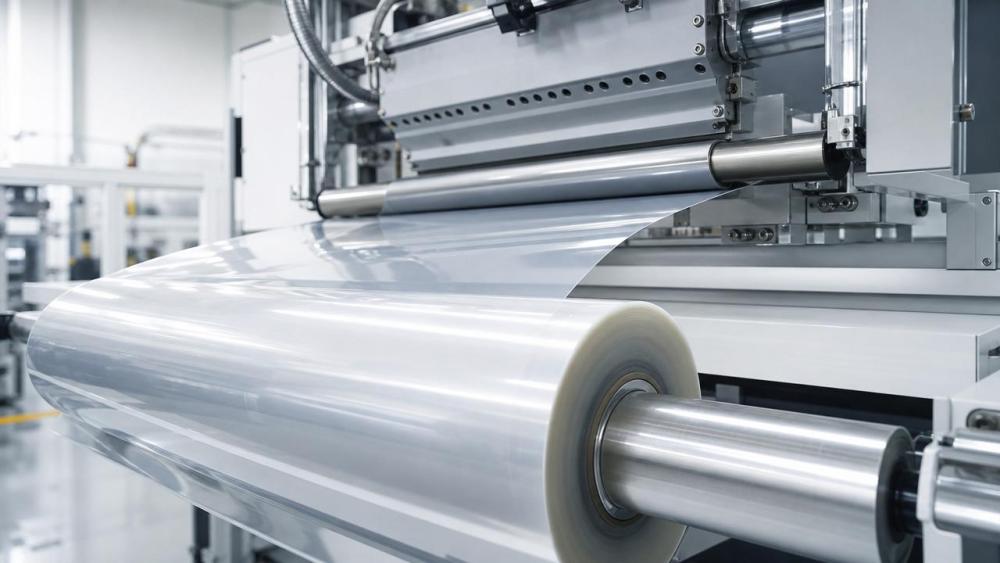
Conclusion: This amendment formalises regulatory recognition of certain amino acid surfactants for a defined function in plastic food packaging. Its primary significance lies in removing a prior compliance uncertainty for exporters and formulators—yet actual market impact remains contingent on technical and commercial factors beyond authorisation alone. Currently, it is more appropriately understood as an enabling step in the evolution of cleaner-label FCM solutions, not a standalone driver of rapid substitution.
Source: European Commission Regulation (EU) 2026/245, published 27 May 2026, amending Regulation (EU) No 10/2011. Official Journal of the European Union, L series.
Note: Ongoing monitoring is recommended for national enforcement interpretations and potential future amendments to migration testing protocols applicable to amino acid surfactants.
Related News
- Bairun Nine-Month Profit Up 20.4% to RMB 662m; Flavors and Fragrances Also GrowOct 27, 2026Prof. Elian Thorne
- How biomimetic peptides work in anti-aging skincare formulationsOct 27, 2026Cosmeceutical Formulator
- 2026 Osong Cosmetics and Beauty Expo Concludes in South KoreaOct 26, 2026Prof. Elian Thorne
- How to compare cosmetic active compounds by their cost in useOct 26, 2026Prof. Elian Thorne
Related News
- 00
0000-00
Bairun Nine-Month Profit Up 20.4% to RMB 662m; Flavors and Fragrances Also Grow - 00
0000-00
How biomimetic peptides work in anti-aging skincare formulations - 00
0000-00
2026 Osong Cosmetics and Beauty Expo Concludes in South Korea - 00
0000-00
How to compare cosmetic active compounds by their cost in use - 00
0000-00
HKBU Showcases DR2 Following NMPA Registration as a New Cosmetic Ingredient
Industry Global
Weekly Insights
Stay ahead with our curated technology reports delivered every Monday.