





On April 6, 2026, Brazil’s foreign trade authority issued a final ruling imposing anti-dumping duties on ethanolamines originating from China. The measure is directly relevant to companies involved in ethanolamine trade, amino acid surfactant production, green detergent raw materials, and South American supply chains, because ethanolamines are key precursors for products such as sodium cocoyl glycinate.
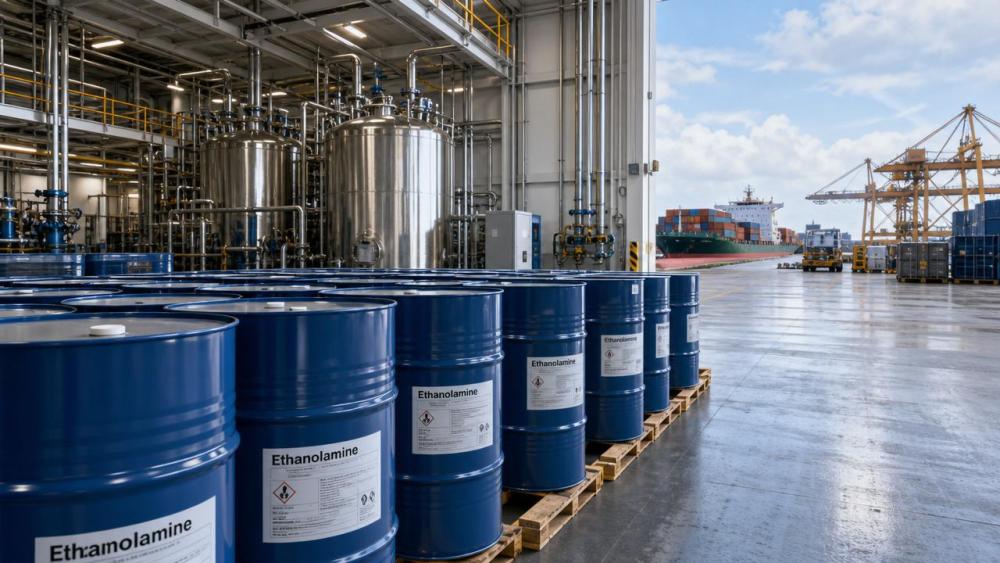
Event Overview
On April 6, 2026, Brazil’s Foreign Trade Committee published a final resolution imposing anti-dumping duties on ethanolamines produced in China under Mercosur tariff codes 2922.11.00 and 2922.12.00.
According to the publicly available information provided for this event, the anti-dumping duty range is 23.6% to 97.3%, and the measure will remain valid for five years.
Ethanolamines covered by the ruling are key precursors for the synthesis of amino acid surfactants, including sodium cocoyl glycinate. The ruling is expected to raise procurement costs and affect delivery cycles for green detergent raw materials in the South American market.
Which Segments Are Affected
Direct Trading Companies
Companies engaged in the export of Chinese ethanolamines to Brazil are the most directly exposed to the new anti-dumping duties. The impact mainly appears in landed cost calculations, quotation validity, contract execution, and customer negotiations.
From an industry perspective, the 23.6% to 97.3% duty range means that trading companies need to recheck whether existing pricing models can still support orders into Brazil after duty application. For contracts that involve forward delivery, companies may also need to review cost-sharing clauses and delivery commitments.
Raw Material Procurement Companies
Buyers in Brazil and the broader South American market that rely on ethanolamines as upstream chemical inputs may face higher procurement costs. This is particularly relevant for companies purchasing raw materials for amino acid surfactants and green detergent formulations.
Analysis shows that the main pressure for procurement teams will not only be the duty rate itself, but also the uncertainty it creates around supplier selection, order timing, and landed-cost comparison. Buyers may need to distinguish between quoted prices before duty and total costs after customs clearance.
Processing and Manufacturing Companies
Manufacturers using ethanolamines to produce downstream materials such as sodium cocoyl glycinate may experience cost pressure in production planning. Because ethanolamines are described as key precursors for amino acid surfactants, any increase in import cost can affect the cost structure of related manufacturing activities.
From an industry perspective, the impact may be reflected in raw material budgeting, production scheduling, and delivery commitments to detergent and personal care ingredient customers. If procurement cycles become longer, manufacturers may need to reassess inventory coverage for affected precursor materials.
Channel and Distribution Companies
Distributors serving the South American green detergent raw material market may need to adjust product quotations and delivery expectations. The ruling can influence how imported ethanolamine-based supply is priced and how downstream customers evaluate purchasing timing.
Observably, channel companies may face more questions from customers about price differences, delivery windows, and the stability of supply. Clear communication on duty-related cost changes will be important to avoid confusion between supplier price adjustments and policy-driven cost increases.
Supply Chain Service Providers
Logistics, customs, and supply chain service providers involved in ethanolamine imports into Brazil may see higher demand for compliance review and cost verification. Since the ruling is tied to specific Mercosur tariff codes, correct classification and documentation become especially important in transaction execution.
What deserves closer attention now is the practical implementation of the final ruling during customs clearance. Service providers may need to help importers verify whether the affected products fall under the relevant tariff codes and how the anti-dumping duties are reflected in total import cost.
What Companies Should Watch and How to Respond
Track Official Follow-Up and Policy Details
Companies involved in ethanolamine trade or downstream amino acid surfactant production should continue monitoring official Brazilian trade communications related to the final ruling. The current confirmed information includes the duty range, product scope, tariff codes, effective period, and date of publication.
From an industry perspective, companies should avoid relying only on informal market interpretations. Any future clarification on implementation procedures, documentation, or product coverage should be checked against official sources before being reflected in quotations or contracts.
Recalculate Landed Costs for Affected Products
Procurement and sales teams should update landed-cost models for ethanolamines under Mercosur tariff codes 2922.11.00 and 2922.12.00. The anti-dumping duty range of 23.6% to 97.3% can materially change the final cost basis for Brazil-bound transactions.
Analysis shows that companies should separate the original product price, freight-related costs, and anti-dumping duty impact when communicating with customers. This helps downstream buyers understand whether a price change comes from the trade remedy measure or from normal commercial adjustments.
Review Supply Plans for Amino Acid Surfactant Precursors
Companies producing or purchasing amino acid surfactants such as sodium cocoyl glycinate should review the availability and timing of ethanolamine-related precursor supply. The event information indicates that procurement costs and delivery cycles in the South American market may be affected.
It is more appropriate to understand this as a supply-chain planning issue rather than only a tariff issue. Businesses should check order lead times, inventory buffers, and delivery commitments linked to affected ethanolamine inputs.
Distinguish Policy Signal from Business Execution
The final ruling has already established a duty measure for a five-year period, but business impact will vary depending on supplier exposure, customer contracts, and product flow into Brazil. Companies should therefore distinguish between the existence of the policy and its practical effect on each transaction.
Observably, not every company in the broader surfactant value chain will be affected in the same way. The more directly a business depends on Chinese-origin ethanolamines entering Brazil, the more important it becomes to review pricing, documentation, and delivery assumptions.
Editor’s View / Industry Observation
Analysis shows that this ruling is more than a single product-level trade measure for ethanolamines. Because ethanolamines are used as precursors for amino acid surfactants, the decision may transmit cost pressure to green detergent raw materials in the South American market.
It is more appropriate to understand the event as both an implemented result and a market signal. The duty has been confirmed through a final ruling and is valid for five years, while the full impact on procurement behavior, delivery cycles, and downstream pricing still requires continued observation.
From an industry perspective, companies should pay attention to how tariff-related cost increases are absorbed or passed along across the value chain. The key issue is not only whether duties increase costs, but how quickly those costs affect trading contracts, manufacturing schedules, and downstream supply commitments.
Conclusion
Brazil’s anti-dumping duties on Chinese ethanolamines introduce a new cost variable for companies connected to amino acid surfactant precursors and green detergent raw material supply in South America. The confirmed duty range of 23.6% to 97.3% and the five-year validity period make this a development that industry participants cannot treat as short-term market noise.
At the current stage, it is more appropriate to understand this information as a confirmed trade remedy measure with continuing supply-chain implications. Companies should respond through cost recalculation, contract review, procurement planning, and close monitoring of official implementation details.
Information Source Statement
Main source: Final ruling information published by Brazil’s Foreign Trade Committee on April 6, 2026, as provided in the event brief.
Items requiring continued observation: subsequent official statements, implementation details during customs clearance, practical effects on Brazil-bound ethanolamine transactions, and downstream procurement changes for amino acid surfactant precursor materials in the South American market.
Related News
- When does amino acid surfactant powder improve cleanser mildness?Oct 05, 2026Surfactant Chemistry Architect
- When to Seek Shampoo Formulation Support for Foam, Mildness, or Stability IssuesAug 07, 2026Surfactant Chemistry Architect
- FDA Tightens GRAS Data Requirements for Amino Acid SurfactantsJul 20, 2026Surfactant Chemistry Architect
- Amino Acid Surfactant Prices Rise on Coconut Oil TightnessJul 15, 2026Surfactant Chemistry Architect
Related News
- 00
0000-00
2026 Osong Cosmetics and Beauty Expo Concludes in South Korea - 00
0000-00
How to compare cosmetic active compounds by their cost in use - 00
0000-00
HKBU Showcases DR2 Following NMPA Registration as a New Cosmetic Ingredient - 00
0000-00
How to use ingredient market insights to forecast sourcing costs - 00
0000-00
Galderma Marks 30 Years of Hyaluronic Acid Injectable Innovation
Surfactant Chemistry Architect
Weekly Insights
Stay ahead with our curated technology reports delivered every Monday.