





In the world of flavors & fragrances, choosing between microencapsulated fragrances and free fragrance oils is more than a sensory decision—it directly affects stability, release control, compliance, and product performance. For technical evaluators, understanding how these two delivery formats behave across FMCG applications is essential to balancing formulation efficiency, consumer experience, and long-term commercial value.
Why a checklist matters in flavors & fragrances selection
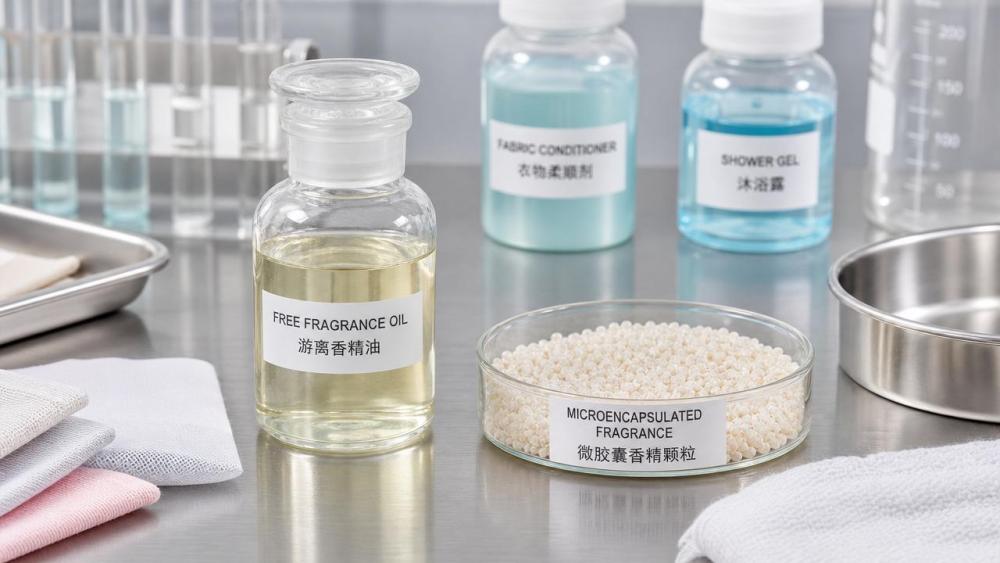
Microencapsulated fragrances and free fragrance oils can deliver similar scent profiles, yet they behave very differently during processing, storage, and consumer use.
A checklist prevents subjective decisions based only on first-smell impact. It helps compare release timing, matrix compatibility, cost-in-use, and regulatory fit.
This is especially important across flavors & fragrances applications where heat, water activity, surfactants, alcohol, and oxidation can rapidly change aroma performance.
Core checklist: microencapsulated fragrances vs free fragrance oils
- Define the release target first. Use free fragrance oils for immediate bloom, and choose microencapsulated fragrances when delayed, triggered, or long-lasting release is required.
- Check process stress early. Review heat, shear, pH, and solvent exposure because capsule walls may rupture, while free oils may evaporate or oxidize before filling.
- Measure matrix compatibility carefully. Test interactions with surfactants, thickeners, emulsifiers, alcohol systems, and powders since each format behaves differently in complex formulations.
- Compare scent evolution, not only top notes. Free fragrance oils often smell stronger at opening, while microencapsulated fragrances can improve mid-use and end-use perception.
- Quantify stability over time. Run accelerated aging for light, oxygen, and temperature because fragrance retention can diverge sharply after several weeks or months.
- Review substrate deposition behavior. In laundry and fabric care, assess how well capsules deposit and break during rubbing compared with free oil loss in rinse cycles.
- Evaluate sensory cleanliness. Some capsule systems reduce harsh initial overload, while some free fragrance oils may create a more natural and transparent olfactive profile.
- Assess compliance and labeling. Wall materials, residual solvents, allergen disclosure, and regional restrictions can affect whether a format fits the intended market.
- Calculate total cost in performance terms. Do not compare only price per kilogram; compare retention, dosage efficiency, claims value, and consumer-perceived longevity.
- Validate manufacturing practicality. Consider dusting, pumping, dispersion, settling, filterability, and cleaning burden before scaling either option into commercial production.
How the two formats differ in practical performance
Free fragrance oils: strengths and limits
Free fragrance oils are typically easier to evaluate, blend, and dose. They give fast aroma impact and often preserve the original perfumer intent more directly.
However, in flavors & fragrances systems exposed to air, heat, or surfactants, they may volatilize quickly, fade during storage, or interact with the base in unwanted ways.
Microencapsulated fragrances: strengths and limits
Microencapsulated fragrances protect volatile molecules inside a shell. This can improve shelf stability, mask incompatibility, and support controlled release after friction, moisture, or time.
Their trade-offs include added formulation complexity, possible capsule breakage, altered initial odor perception, and extra scrutiny of shell chemistry and biodegradability.
Application notes across FMCG scenarios
Laundry and fabric care
Microencapsulated fragrances are often favored when long-lasting scent on dry fabric is the priority. Capsules can deposit on fibers and release during movement or rubbing.
Free fragrance oils still work well for immediate freshness during washing, but retention after rinse and drying is usually harder to maintain.
Shampoo, shower, and personal wash
Free fragrance oils are common when a quick bloom in-use matters most. They disperse easily and can provide a more natural fragrance signature at application.
Microencapsulated fragrances may support post-rinse longevity, but compatibility with surfactants, viscosity systems, and sensory feel must be tested carefully.
Home care and air care
For trigger sprays or cleaners, free fragrance oils can offer efficient odor masking and immediate room impact. Solubilization and clarity remain key formulation checkpoints.
Microencapsulated fragrances fit better where prolonged perception on surfaces is desired, though particle visibility and spray behavior must be controlled.
Powders, sachets, and dry mixes
Dry systems often benefit from microencapsulated fragrances because capsules can improve handling, reduce early volatilization, and separate sensitive notes from reactive carriers.
Free fragrance oils may still be practical with absorbents, but migration, clumping, and uneven distribution become more likely over time.
Commonly overlooked risks
Ignoring capsule wall composition can create downstream compliance issues. Biodegradability expectations and regional restrictions increasingly influence acceptable microencapsulation technologies.
Relying only on fresh-panel smelling can mislead selection. The better format often reveals itself after aging, transport simulation, and real substrate testing.
Overlooking equipment realities can slow scale-up. Viscosity shifts, sedimentation, nozzle blockage, and cleaning residues may outweigh laboratory fragrance advantages.
Confusing higher dosage with better performance can inflate cost. In flavors & fragrances development, release efficiency usually matters more than nominal loading.
Practical execution steps
- Build a side-by-side brief covering target release moment, expected shelf life, regulatory region, substrate, and process conditions before requesting samples.
- Run benchtop screening under realistic pH, temperature, and shear rather than ideal lab conditions that hide volatility or capsule fragility.
- Use accelerated stability and consumer-relevant evaluations together, including opening impact, in-use bloom, dry-down, and aged performance after storage.
- Track cost per delivered sensory hour or retained aroma effect, not simply formula cost, to compare commercial value objectively.
- Document allergen, carrier, and shell-material data early so the chosen flavors & fragrances path remains scalable across regions.
Conclusion and next action
There is no universal winner between microencapsulated fragrances and free fragrance oils. The right answer depends on release goal, product matrix, process stress, and compliance constraints.
For flavors & fragrances programs in modern FMCG, the strongest decision comes from structured testing rather than intuition. Start with a checklist, validate under real conditions, and select the format that delivers the best long-term sensory and commercial outcome.
Related News
- How to Choose Fragrance Ingredients for Diffusers That Stay Stable in Oil BasesAug 04, 2026Aromatics & Perfumery Fellow
- How to Choose Aroma Ingredients for Candles Based on Scent Throw and Wax CompatibilityAug 03, 2026Aromatics & Perfumery Fellow
- Home Diffuser Series Technical Guide for Fragrance BuyersJul 21, 2026Aromatics & Perfumery Fellow
- EU Bans More Microencapsulated Fragrance AllergensJul 16, 2026Aromatics & Perfumery Fellow
Related News
- 00
0000-00
Bairun Nine-Month Profit Up 20.4% to RMB 662m; Flavors and Fragrances Also Grow - 00
0000-00
How biomimetic peptides work in anti-aging skincare formulations - 00
0000-00
2026 Osong Cosmetics and Beauty Expo Concludes in South Korea - 00
0000-00
How to compare cosmetic active compounds by their cost in use - 00
0000-00
HKBU Showcases DR2 Following NMPA Registration as a New Cosmetic Ingredient
Aromatics & Perfumery Fellow
Weekly Insights
Stay ahead with our curated technology reports delivered every Monday.