





Non-GMO Bio-Based Thickeners: Cost vs Performance in a Clean-Label Market
For clean-label formulations, non-GMO bio-based thickeners now sit at the intersection of cost control, texture design, and consumer trust.
From xanthan gum and guar derivatives to microbial and plant hydrocolloids, each option carries a different cost-in-use story.
The key is not the lowest price per kilogram. It is stable performance at the lowest practical dosage.
Clean-Label Momentum Is Changing Thickener Economics
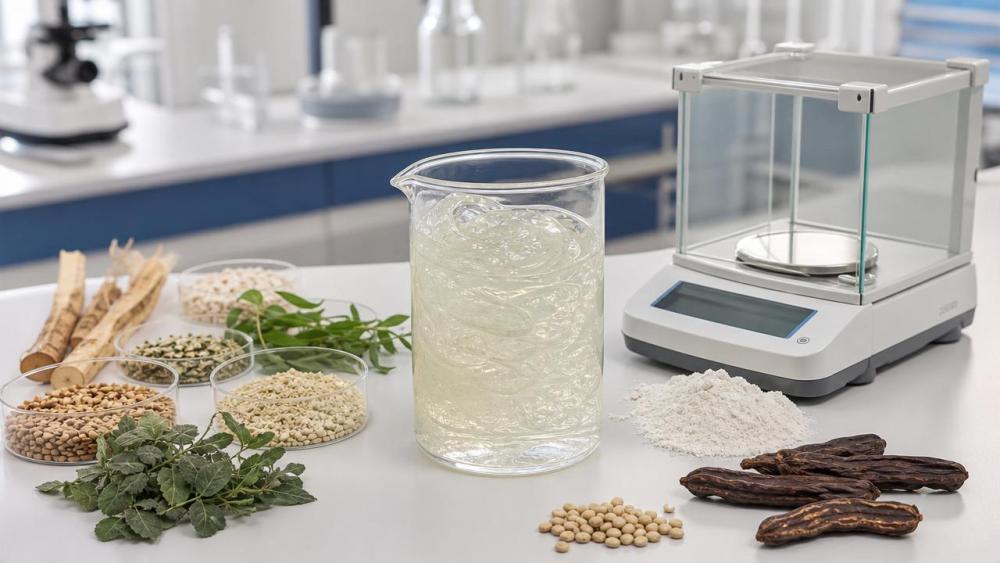
The market for non-GMO bio-based thickeners is expanding because formulation language now influences shelf appeal and regulatory confidence.
Food, beverages, cosmetics, personal care, and household products all face similar pressure for safer, recognizable, renewable ingredients.
This shift has made hydrocolloids more strategic. They are no longer invisible texture aids in the background.
Non-GMO bio-based thickeners can support suspension, mouthfeel, viscosity, emulsion stability, and sensory quality across multiple product categories.
Yet cost volatility remains serious. Crop yield, fermentation inputs, energy, logistics, and certification can quickly change delivered cost.
The new sourcing question is practical: which thickener protects performance when prices, labels, and regulations all move together?
Why Non-GMO Bio-Based Thickeners Are Gaining Strategic Value
Several forces are pushing non-GMO bio-based thickeners from commodity status toward higher-value formulation assets.
In many formulas, non-GMO bio-based thickeners can reduce reliance on synthetic rheology modifiers without sacrificing functional stability.
That is especially valuable in products positioned around naturality, wellness, mildness, sustainability, or ingredient transparency.
Cost-in-Use Matters More Than Price per Kilogram
A cheaper hydrocolloid can become expensive when it requires higher dosage, longer hydration, or extra stabilizers.
For non-GMO bio-based thickeners, cost-in-use should include viscosity yield, process tolerance, waste reduction, and final product quality.
Xanthan gum often performs at low inclusion levels. Its shear-thinning behavior supports pourability and suspension.
Guar gum can be cost-effective, but crop dependence may create price swings and quality variation.
Pectin, alginate, cellulose derivatives, starches, and scleroglucan each solve different texture and stability challenges.
The best non-GMO bio-based thickeners deliver target rheology without masking flavor, dulling fragrance, or creating unwanted stringiness.
A Practical Cost Comparison Lens
- Measure viscosity at real process temperature and pH.
- Compare dosage needed for the same sensory target.
- Track hydration time, mixing energy, and batch losses.
- Check interactions with salts, proteins, oils, acids, and surfactants.
- Include certification, logistics, storage, and supplier risk.
This approach often reveals that premium non-GMO bio-based thickeners can reduce total formulation cost.
Performance Is Becoming More Application-Specific
Performance expectations now vary sharply across food, fragrance, cosmetics, and home care systems.
In beverages, non-GMO bio-based thickeners must prevent sedimentation while preserving drinkability and clean flavor release.
In sauces, they must manage heat, acid, shear, freeze-thaw cycles, and glossy appearance.
In cosmetics, the same decision touches spreadability, active delivery, skin feel, fragrance bloom, and microbial preservation strategy.
In detergent and cleaning formulas, thickeners must tolerate surfactants, electrolytes, fragrance oils, and changing storage temperatures.
This explains why direct substitution rarely works. Bio-based thickening is a system decision, not an ingredient swap.
Key Performance Signals to Watch
- Viscosity stability during production and shelf life.
- Tolerance to pH, salt, heat, enzymes, and preservatives.
- Sensory impact, including creaminess, clarity, drag, and afterfeel.
- Compatibility with colors, flavors, actives, oils, and proteins.
- Batch repeatability across supplier lots.
High-performing non-GMO bio-based thickeners make the finished product feel intentional, not merely stabilized.
Supply Reliability Is Now Part of Performance
Global supply chains have made reliability a functional requirement for non-GMO bio-based thickeners.
A technically excellent hydrocolloid loses value if documentation, shipment timing, or lot consistency cannot support production planning.
Plant-derived materials can face weather risk, regional concentration, pesticide residue concerns, and seasonal variability.
Fermentation-derived non-GMO bio-based thickeners may offer controlled quality, but depend on substrates, energy, and bioprocess capacity.
The strongest sourcing strategies usually combine primary materials, backup grades, and validated reformulation paths.
Reliable non-GMO bio-based thickeners help protect launch timelines and reduce costly reformulation under pressure.
Regulatory Fit and Label Claims Shape Market Value
The value of non-GMO bio-based thickeners also depends on how well they support claims and compliance.
Food-grade systems may require GRAS status, allergen statements, non-GMO verification, halal, kosher, or organic compatibility.
Cosmetic applications may require INCI clarity, impurity data, preservative compatibility, and regional notification readiness.
FFAI’s intelligence lens treats these documents as commercial tools, not administrative afterthoughts.
A thickener that reduces label friction can justify a higher ingredient price through stronger market positioning.
This is especially true when non-GMO bio-based thickeners reinforce clean beauty, plant-based nutrition, or sustainable home care narratives.
Business Impacts Across Formulation, Sourcing, and Branding
The rising importance of non-GMO bio-based thickeners affects several business functions at the same time.
- R&D gains more freedom to design premium textures with cleaner labels.
- Sourcing must evaluate cost, risk, traceability, and supplier transparency together.
- Quality teams need tighter specifications for viscosity and microbiological stability.
- Marketing can link texture, natural origin, and consumer reassurance.
- Finance must model cost-in-use instead of simple ingredient price.
When these functions align, non-GMO bio-based thickeners become a measurable advantage rather than a cost burden.
When they do not align, formulas may face instability, weak claims, or hidden manufacturing cost.
What to Prioritize When Comparing Options
Decision quality improves when non-GMO bio-based thickeners are assessed against technical, commercial, and sensory evidence.
- Define the desired rheology before selecting ingredients.
- Test at pilot scale using real process conditions.
- Calculate cost per finished unit, not cost per kilogram.
- Validate label claims, certifications, and regional compliance.
- Compare supplier consistency, lead times, and technical support.
- Build a backup formula before market launch.
This sequence prevents overpaying for unnecessary performance or underbuying critical stability.
It also helps identify blended systems where two non-GMO bio-based thickeners outperform either one alone.
A Smarter Response to the Next Cost Cycle
Future price cycles will likely reward flexible formulation platforms rather than single-ingredient dependence.
Non-GMO bio-based thickeners should be mapped by function, risk, claim value, and replacement difficulty.
The next advantage will come from linking molecular performance with sourcing intelligence and consumer-facing trust.
Action Steps for Better Thickener Decisions
Start by reviewing current formulas where viscosity, suspension, texture, or label perception limits performance.
Then compare non-GMO bio-based thickeners through cost-in-use trials, not isolated quotation sheets.
Prioritize suppliers that provide traceability, technical data, compliance documents, and practical formulation guidance.
For higher-value launches, evaluate whether texture improvement can support premium pricing or stronger consumer loyalty.
FFAI continues to track hydrocolloid innovation, clean-label regulation, sensory science, and ingredient pricing signals.
In a market shaped by safety, naturality, and performance, non-GMO bio-based thickeners deserve a disciplined strategic review.
Related News
- Functional Food Additives for Bakery: Performance and Labeling BasicsJul 09, 2026Food Rheology Expert
- Bio-Based Thickeners: Cost and Performance in Food FormulationJun 25, 2026Food Rheology Expert
- Indonesia Duties Chinese PP, Affecting Starch and Flavor CarriersJun 21, 2026Food Rheology Expert
- Argentina Tightens Inorganic Arsenic LimitsJun 18, 2026Food Rheology Expert
Related News
- 00
0000-00
2026 Osong Cosmetics and Beauty Expo Concludes in South Korea - 00
0000-00
How to compare cosmetic active compounds by their cost in use - 00
0000-00
HKBU Showcases DR2 Following NMPA Registration as a New Cosmetic Ingredient - 00
0000-00
How to use ingredient market insights to forecast sourcing costs - 00
0000-00
Galderma Marks 30 Years of Hyaluronic Acid Injectable Innovation
Food Rheology Expert
Weekly Insights
Stay ahead with our curated technology reports delivered every Monday.