





On June 9, 2026, India’s commerce authorities confirmed they are considering extending the import tax exemption for 40 petrochemical products beyond June 30. For the flavor and fragrance supply chain, this matters because petrochemical feedstocks such as naphtha and ethane sit upstream of synthetic aroma materials used in water-soluble flavor formulations. The development is worth close attention not simply as a tax issue, but as a trade and procurement signal that could affect raw material cost stability, customer bargaining dynamics, and delivery planning for Indian buyers and their overseas suppliers.
A policy signal centered on feedstock access
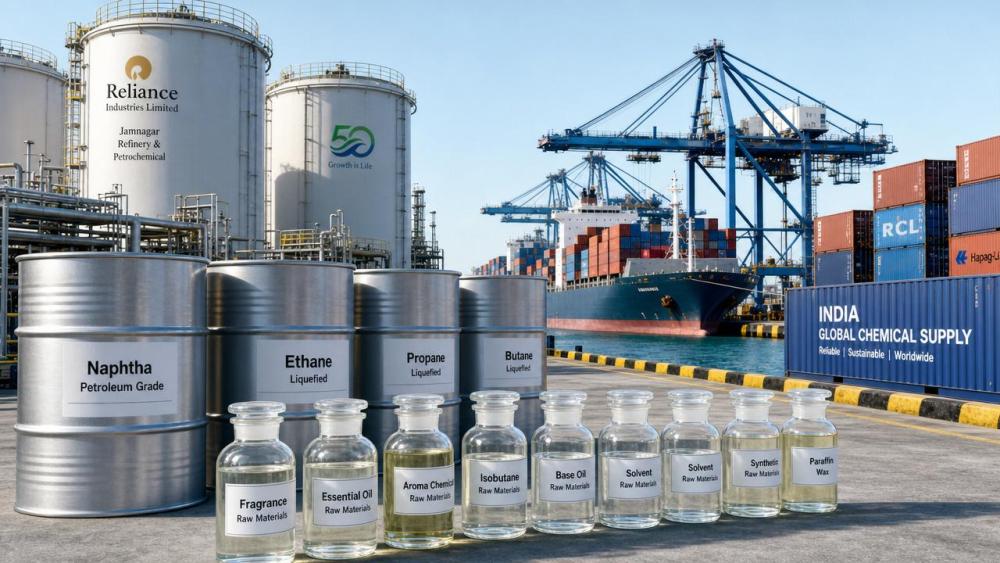
According to the provided information, India is considering extending an import duty exemption covering 40 petrochemical products, including naphtha and ethane, after June 30. The stated purpose is to ease raw material shortages affecting the pharmaceutical and plastics sectors. These petrochemical products are also core upstream inputs for synthetic fragrance materials, including aldehydes, ketones, and esters used as precursors in water-soluble flavor products. The summary further indicates that continuation of the exemption would help stabilize procurement costs for local Indian flavor and fragrance companies and could indirectly benefit Chinese exporters of water-soluble flavors by reducing pricing pressure from Indian customers and supporting order continuity, especially for small-batch and customized orders.
Where the effect may be felt first
For Indian buyers sourcing fragrance-related inputs
From an industry perspective, Indian companies buying upstream or intermediate materials may feel the impact most directly in procurement planning and price discussions. If the exemption is extended, the immediate issue to watch is whether purchasing pressure eases for inputs linked to synthetic aroma materials. What deserves closer attention is not only price movement, but also whether buyers adjust order timing, batch size, and negotiations with overseas suppliers in response to a more stable short-term cost outlook.
For exporters serving Indian water-soluble flavor demand
Analysis shows that exporters supplying water-soluble flavors into India may see the change reflected less in tariff treatment on their finished products and more in customer behavior. If Indian customers face less upstream cost stress, they may show greater continuity in repeat purchasing and less aggressive price bargaining. This is particularly relevant for exporters handling customized formulations or smaller order volumes, where contract stability and delivery coordination often matter as much as headline pricing.
For supply chain and order-fulfillment teams
Observably, the practical effect may extend into scheduling, replenishment, and shipment coordination. Businesses involved in supply chain services, production planning, or order management should watch whether Indian counterparties revise procurement cycles or delivery expectations. Companies should also continue checking the trade documentation and product specification records tied to fragrance-related shipments, because even where upstream tax relief supports cost stability, execution still depends on consistent paperwork and product alignment.
What companies should monitor next
Watch for the final policy wording
It is more appropriate to understand this development as a rule dynamic under observation rather than a fully settled outcome. Companies should therefore monitor whether the proposed extension is formally confirmed, how long any extension lasts, and whether the covered petrochemical scope remains unchanged in practice.
Review procurement and quotation assumptions
Analysis shows that suppliers and buyers should reassess short-term quotation logic, especially where pricing discussions with Indian customers have been driven by upstream raw material uncertainty. For exporters, this does not remove commercial risk, but it may justify closer review of quote validity periods, replenishment assumptions, and batch-based production commitments.
Check technical and trade files for continuity
Where small-batch or customized orders are involved, companies should keep technical documents, product specifications, and shipment records organized and consistent. The provided information does not set out new certification or testing rules, so businesses should not treat this as a new compliance regime; however, they should remain alert to any later changes in customer documentation requests or tender language linked to procurement execution.
Stay alert to customer-side execution changes
What deserves closer attention is whether Indian customers change purchasing cadence, order size, or delivery windows once the policy direction becomes clearer. That type of market response could shape actual order sustainability more than the policy headline alone.
Why this still looks like a developing trade signal
Observation suggests this news is best read as an important execution signal, not yet as a completed regulatory landing. The confirmed fact is that an extension is under consideration. The broader industry relevance lies in what the measure says about official concern over feedstock availability and the possible short-term stabilization of cost conditions in downstream sectors. For flavor and fragrance businesses, especially those tied to water-soluble flavor exports, continued attention should focus on how policy language, customer procurement behavior, and order follow-through evolve together.
How to read the near-term significance
In practical terms, the development points to a possible easing of short-term raw material cost pressure for parts of the Indian flavor and fragrance chain. It should not yet be treated as a final and comprehensive market shift. A balanced reading is that this is a policy-related trade development with potential downstream benefits for procurement stability and export order continuity, but its real effect still depends on final confirmation, execution details, and market response.
Basis of this article and what remains to be verified
This article is based on the user-provided news title, event date, and event summary. For developments of this kind, relevant source categories typically include official government notices, trade or customs authority releases, regulator statements, industry association updates, standards-related publications, and reporting by established business media. A specific official source link was not provided in the input, so the precise official publication path remains to be verified. Continued follow-up is still needed on final policy wording, implementation approach, any change in customer documentation requirements, tender or purchasing language, market feedback, and how companies actually adjust procurement and delivery execution.
Related News
- When heat stable flavor formulations are needed for UHT beveragesOct 04, 2026Aromatics & Perfumery Fellow
- How heat stable flavor formulations prevent aroma loss in baked goodsOct 03, 2026Aromatics & Perfumery Fellow
- Using 4-vinyl guaiacol flavour standard to calibrate sensory panelsOct 02, 2026Aromatics & Perfumery Fellow
- Garlic Powder Flavor Profiles and Their Role in Seasoning BlendsSep 28, 2026Aromatics & Perfumery Fellow
Related News
- 00
0000-00
Bairun Nine-Month Profit Up 20.4% to RMB 662m; Flavors and Fragrances Also Grow - 00
0000-00
How biomimetic peptides work in anti-aging skincare formulations - 00
0000-00
2026 Osong Cosmetics and Beauty Expo Concludes in South Korea - 00
0000-00
How to compare cosmetic active compounds by their cost in use - 00
0000-00
HKBU Showcases DR2 Following NMPA Registration as a New Cosmetic Ingredient
Aromatics & Perfumery Fellow
Weekly Insights
Stay ahead with our curated technology reports delivered every Monday.