





Hydrocolloid Technology for Stable Texture Control
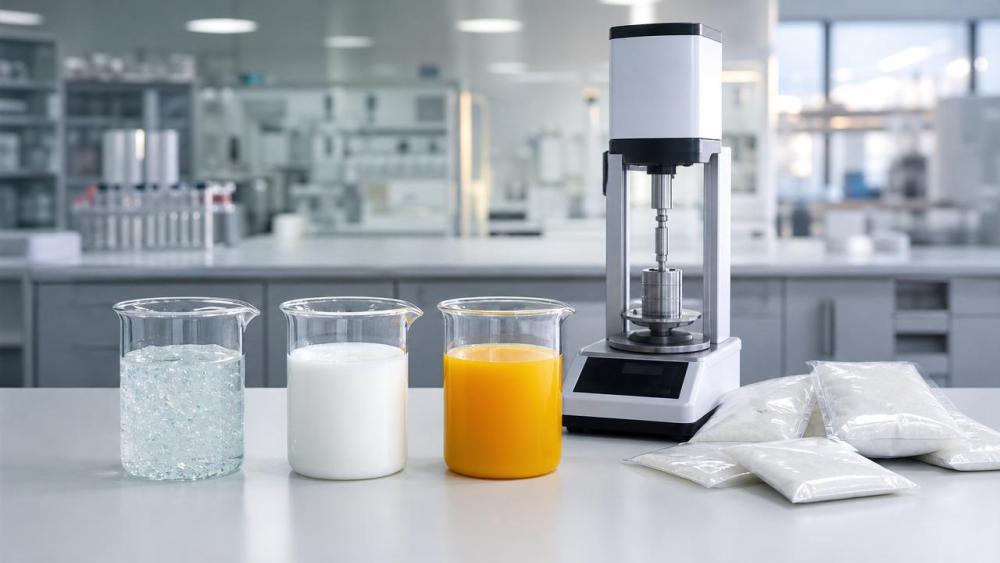
For quality control and safety teams, texture is more than a sensory attribute. It is a measurable risk factor tied to stability, compliance, and trust.
Hydrocolloid technology helps control viscosity, suspension, gel strength, and mouthfeel across complex food, beverage, cosmetic, and personal care systems.
As clean-label expectations rise, hydrocolloid technology must perform under heat, shear, pH shifts, freeze-thaw cycles, and long storage stress.
Why Texture Control Needs a Checklist
Texture failures rarely come from one ingredient alone. They often result from processing order, hydration gaps, ionic imbalance, or incompatible actives.
A checklist turns hydrocolloid technology from trial-and-error formulation into a disciplined control system for repeatable product quality.
It also helps connect sensory targets with measurable specifications, including Brookfield viscosity, yield stress, particle suspension, and gel recovery.
For FFAI, this discipline supports safer FMCG innovation. It links molecular rheology with shelf-life stability, clean-label positioning, and regulatory confidence.
Core Hydrocolloid Technology Checklist
- Define the target texture using measurable values, not vague words. Set viscosity range, gel strength, flow curve, and acceptable sensory tolerance.
- Match the hydrocolloid type to the product matrix. Check water activity, fat level, protein content, sugar load, salt concentration, and alcohol presence.
- Verify hydration requirements before scaling. Confirm powder dispersion, hydration temperature, mixing speed, hold time, and anti-lumping procedure.
- Test hydrocolloid technology under real process stress. Include pasteurization, homogenization, filling shear, cooling rate, and post-fill vibration.
- Check pH stability across shelf life. Some gums tolerate acid systems, while others lose viscosity or form weak, brittle structures.
- Assess ionic sensitivity before adding minerals. Calcium, potassium, and sodium can trigger gelation, thinning, or unexpected precipitation.
- Measure syneresis after storage. Record water separation, serum release, emulsion creaming, and sedimentation under accelerated and ambient conditions.
- Validate clean-label expectations. Confirm source, processing aid status, allergen profile, vegan suitability, and country-specific ingredient naming rules.
- Document batch-to-batch variability. Natural hydrocolloids can vary by harvest, microbial fermentation, particle size, and purification method.
- Build a replacement plan. Identify secondary hydrocolloid technology options if supply disruption, price movement, or regulatory changes affect the formula.
Selecting the Right Hydrocolloid System
Single gums can solve simple viscosity needs. Complex formulas usually require hydrocolloid technology blends for stability, mouthfeel, and processing tolerance.
Xanthan gum gives strong suspension and shear-thinning flow. It is useful in sauces, dressings, beverages, shampoos, and pumpable cosmetic gels.
Guar gum builds body quickly, but it may show microbial or enzyme sensitivity. It needs careful quality screening in natural product systems.
Carrageenan interacts strongly with dairy proteins. Used correctly, it stabilizes cocoa milk, puddings, processed cheese, and gelled desserts.
Pectin supports fruit systems and acid gels. It is valuable where clean-label hydrocolloid technology must deliver spreadability and bright flavor release.
Cellulose derivatives offer thermal and suspension control. They are common in bakery fillings, beverages, detergents, creams, and controlled-release systems.
Application Notes Across Key Scenarios
Food and Beverage Stability
In beverages, hydrocolloid technology must suspend pulp, cocoa, protein, or minerals without creating a slimy drinking profile.
Use low-dose systems with strong yield stress. Confirm stability after heat treatment, cold storage, shipping vibration, and bottle inversion.
Bakery, Sauces, and Frozen Products
In bakery fillings, hydrocolloid technology controls bake stability, fruit distribution, and water migration into crusts or laminated dough.
In frozen desserts, it manages ice crystal growth. Test freeze-thaw cycles, overrun, meltdown behavior, and spoonable creaminess.
Personal Care and Cosmetic Texture
In creams and gels, hydrocolloid technology affects pick-up, spread, cushion, suspension of actives, and perceived luxury.
Compatibility with electrolytes, surfactants, fragrance oils, preservatives, and peptides must be tested before stability approval.
Detergent and Cleaning Systems
In washing products, hydrocolloid technology helps adjust pourability, particle suspension, and cling on vertical surfaces.
The system must survive surfactant concentration, alkalinity, fragrance solubilizers, enzymes, and storage in warm warehouses.
Commonly Overlooked Risks
Hydration order errors: Adding gums directly into water without pre-dispersion can create fish-eyes, delayed viscosity, and inconsistent final texture.
Over-reliance on room-temperature tests: Hydrocolloid technology may look stable at launch but fail after heat exposure, refrigeration, or freeze-thaw cycling.
Ignoring sensory release: Excess viscosity can suppress flavor, fragrance bloom, sweetness perception, and skin absorption feel.
Assuming natural means simple: Botanical gums may carry microbial load, color variation, odor notes, or seasonal performance differences.
Missing regulatory language: The same hydrocolloid technology may require different labeling names, purity limits, or documentation across markets.
Skipping packaging interaction: Viscosity can change after contact with liners, pumps, sachets, oxygen, or repeated consumer dispensing.
Practical Execution Guide
- Start with a benchmark product. Record flow, thickness, visual stability, flavor release, and user handling before selecting hydrocolloid technology.
- Create a small design-of-experiments matrix. Vary gum type, dosage, hydration temperature, salt level, and process shear systematically.
- Use objective instruments. Combine viscosity testing, texture analysis, centrifuge screening, microscopy, and accelerated storage evaluation.
- Run pilot batches early. Lab hydration can hide dispersion issues that appear during industrial pumping, heating, or filling.
- Confirm compatibility with preservatives. Some systems shift pH, bind actives, or reduce antimicrobial availability in water-rich products.
- Build supplier specifications. Include moisture, ash, particle size, viscosity grade, microbial limits, origin, and certificate requirements.
- Approve texture with shelf-life evidence. Do not rely only on day-one viscosity when hydrocolloid technology must protect long-term stability.
Quality Metrics Worth Tracking
Stable texture control needs a narrow set of repeatable metrics. These values should connect formulation intent with factory release criteria.
- Track viscosity at defined spindle, speed, temperature, and time after manufacture.
- Measure yield stress when suspension, anti-settling, or pumpability matters.
- Record gel strength, rupture point, and recovery after shear.
- Monitor phase separation, sediment height, creaming layer, and water release.
- Compare sensory viscosity with instrumental values to prevent over-engineered texture.
When these metrics are linked to hydrocolloid technology choices, deviations become easier to diagnose and correct.
Decision Points Before Commercial Approval
Before launch, confirm whether the chosen hydrocolloid technology supports both performance and business resilience.
A formula that works only with one narrow raw material grade may create procurement risk and unstable production economics.
A cheaper gum can also be expensive if it increases dosage, mixing time, wastewater load, or customer complaints.
Commercial approval should include technical validation, sensory acceptance, regulatory documentation, supplier reliability, and cost-in-use analysis.
Summary and Action Direction
Hydrocolloid technology is a practical control platform for texture, suspension, gelation, stability, and consumer experience.
The strongest results come from matching molecular behavior with process reality, not from increasing gum dosage blindly.
Use the checklist to define targets, screen compatibility, test stress conditions, and convert texture design into measurable quality control.
For the next formulation review, map every texture risk to a test method, acceptance limit, and corrective action.
That is how hydrocolloid technology supports stable products, safer labels, stronger sensory value, and more reliable commercial performance.
Related News
- How to assess a bio-based thickener manufacturer's batch consistencyOct 16, 2026Food Rheology Expert
- Verifying halal status of hydrocolloid ingredients in the Middle EastOct 15, 2026Food Rheology Expert
- Why Can Xanthan Gum Lose Viscosity After Adding Electrolytes?Oct 18, 2026Food Rheology Expert
- How Do You Test Hydrocolloid Viscosity After Changing a Thickener?Oct 17, 2026Food Rheology Expert
Related News
- 00
0000-00
Bairun Nine-Month Profit Up 20.4% to RMB 662m; Flavors and Fragrances Also Grow - 00
0000-00
How biomimetic peptides work in anti-aging skincare formulations - 00
0000-00
2026 Osong Cosmetics and Beauty Expo Concludes in South Korea - 00
0000-00
How to compare cosmetic active compounds by their cost in use - 00
0000-00
HKBU Showcases DR2 Following NMPA Registration as a New Cosmetic Ingredient
Food Rheology Expert
Weekly Insights
Stay ahead with our curated technology reports delivered every Monday.