





Image Placement Plan
Place one image after the placement note and before the article lead, preferably showing food ingredients, antioxidant formulation, or functional food manufacturing to support the regulatory and supply-chain theme.
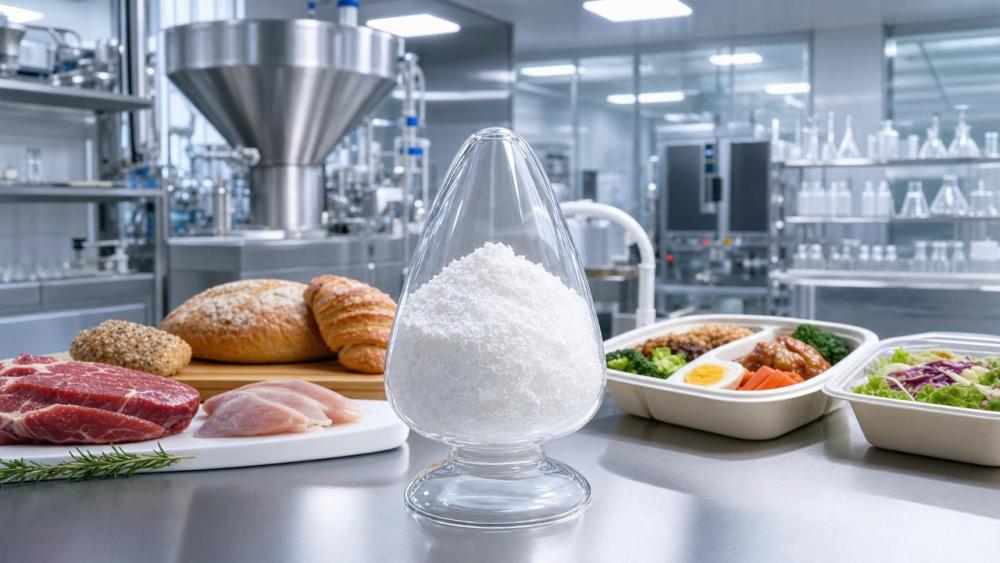
On May 31, 2026, the FDA updated its GRAS notice inventory and confirmed the safety and applicable use scope of high-purity L-carnosine at a purity level of at least 99.5% as a new natural food antioxidant, a move that may affect functional food ingredients, meat products, bakery foods, ready-to-eat meals, and related export supply chains because it creates a recognized pathway for a heat-stable peptide antioxidant alternative to BHA/BHT.
What the FDA Update Confirmed
The confirmed event is that the FDA updated the GRAS notice inventory on May 31, 2026.
According to the provided event summary, high-purity L-carnosine, with a purity level of at least 99.5%, was recognized for its safety and applicable scope as a new natural food antioxidant.
The permitted application areas stated in the event summary are meat products, bakery foods, and ready-to-eat meals.
The summary also states that this recognition addresses a gap for heat-stable peptide antioxidants that can serve as alternatives to BHA/BHT and may open a higher-end functional food export channel for China-based raw material suppliers.
How the Recognition May Reshape Business Roles
Export and direct trade companies
Direct trade companies may be affected because the GRAS recognition provides a clearer regulatory reference for high-purity L-carnosine in specified food categories. The main business links likely to feel the impact include product positioning, customer communication, export documentation, and contract specification review.
What deserves attention is whether buyers begin to include high-purity L-carnosine, antioxidant function, or BHA/BHT replacement language in purchasing requirements. Trade teams may also need to align product descriptions with the permitted food applications identified in the event summary.
Ingredient buyers and formulation teams
Raw material procurement companies may be affected because a newly recognized natural antioxidant option can change how buyers compare ingredient sources for meat products, bakery foods, and ready-to-eat meals. The influence is most likely to appear in supplier screening, purity confirmation, specification matching, and compliance review before purchase.
Procurement teams should pay particular attention to purity documentation for the 99.5% threshold, the intended food category, and whether supplier materials clearly support the product's use as a natural food antioxidant within the recognized scope.
Food processors and contract manufacturers
Processing and manufacturing companies may be affected because the recognition concerns actual food applications, not only ingredient trading. Business links that may require review include formulation development, process compatibility, product labeling review, quality control, and internal approval procedures for antioxidant substitution.
Manufacturers considering replacement of BHA/BHT should focus on whether high-purity L-carnosine fits their specific product type, processing conditions, and compliance documentation needs. Any technical assessment should remain consistent with the confirmed application areas: meat products, bakery foods, and ready-to-eat meals.
Supply chain service providers
Supply chain service companies, including logistics coordinators, inspection service providers, and compliance support partners, may be affected because ingredient classification, documentation, and traceability can become more important when a product is positioned for regulated food use.
Relevant service links include document collection, batch traceability support, supplier qualification files, and delivery planning for export-oriented orders. These companies may need to monitor whether buyers request more detailed GRAS-related documentation or stricter ingredient identity confirmation.
Priorities for Companies Reviewing This Opportunity
Verify the GRAS basis before commercial promotion
Companies should avoid treating the update as a general authorization for all food categories. The provided information identifies meat products, bakery foods, and ready-to-eat meals, so marketing, quotation sheets, and customer presentations should stay within that scope unless additional verified information becomes available.
Build documentation around the 99.5% purity requirement
The purity level is central to the event. Suppliers and buyers should prepare ingredient specifications, quality records, and testing documentation that support the high-purity claim. For export transactions, consistency between technical documents, contracts, and shipment records will be important.
Align specifications for BHA/BHT replacement discussions
Because the event summary positions high-purity L-carnosine as filling a gap for heat-stable peptide antioxidants, companies discussing BHA/BHT alternatives should align technical specifications carefully. This may include antioxidant function descriptions, intended food applications, and internal formulation requirements.
Review supplier qualification and traceability files
China-based raw material suppliers seeking higher-end functional food opportunities may need stronger supplier qualification files. Buyers may reasonably ask for identity confirmation, purity evidence, production consistency records, and batch traceability to support compliance-oriented procurement decisions.
Industry Reading: A Compliance Signal, Not a Guaranteed Market Shift
From an industry perspective, this update is more appropriately understood as a regulatory and compliance signal rather than an immediate guarantee of market adoption. GRAS recognition can reduce uncertainty for certain applications, but commercial uptake still depends on buyer acceptance, formulation performance, supply reliability, and documentation quality.
Analysis shows that the most important near-term change may appear in procurement language and technical review procedures. Buyers in functional food and prepared food segments may ask more specific questions about purity, applicable categories, antioxidant positioning, and the relationship between high-purity L-carnosine and BHA/BHT replacement strategies.
What deserves closer attention is the preparation cycle for suppliers. If customers request stronger compliance files or clearer product specifications, suppliers may need time to organize test records, quality documents, and customer-facing technical materials. This could raise the practical entry requirements for suppliers that want to serve higher-end export orders.
A Measured Conclusion for the Functional Food Supply Chain
The FDA's GRAS inventory update gives high-purity L-carnosine a clearer recognized position as a natural food antioxidant for the specified food categories. For ingredient suppliers, food manufacturers, and trade companies, the event may support new discussions around peptide-based antioxidant solutions and BHA/BHT alternatives.
However, the industry significance should be assessed cautiously. The update creates a useful compliance reference, but business results will still depend on verified documentation, category-specific application, buyer requirements, and the ability of suppliers to maintain consistent quality.
Information Basis and Items to Monitor
This article is based on the provided news title, event date, and event summary. The input states that the FDA updated the GRAS notice inventory on May 31, 2026, and confirmed the safety and applicable scope of high-purity L-carnosine at a purity level of at least 99.5% as a natural food antioxidant for meat products, bakery foods, and ready-to-eat meals.
Relevant source types for this kind of event would typically include official FDA GRAS notice materials, regulatory inventory updates, food ingredient compliance documents, and technical documentation supplied by qualified ingredient producers. Specific official source links were not provided in the input and should be verified continuously.
Further monitoring should focus on detailed policy interpretation, practical certification or review approaches, changes in procurement and tender documents, buyer feedback, supplier documentation expectations, and industry responses to the use of high-purity L-carnosine as a heat-stable peptide antioxidant.
Related News
- How to assess a food antioxidants distributor’s traceability practicesOct 11, 2026Food Preservation Scientist
- How natural antioxidants for oils can prevent rancidity in storageSep 25, 2026Food Preservation Scientist
- How to choose natural antioxidants for beverages with longer shelf lifeAug 23, 2026Food Preservation Scientist
- EU Tightens MRLs for Three Pesticides, Prompting Raw Material Checks for Natural Antioxidant ExportsAug 17, 2026Food Preservation Scientist
Related News
- 00
0000-00
2026 Osong Cosmetics and Beauty Expo Concludes in South Korea - 00
0000-00
How to compare cosmetic active compounds by their cost in use - 00
0000-00
HKBU Showcases DR2 Following NMPA Registration as a New Cosmetic Ingredient - 00
0000-00
How to use ingredient market insights to forecast sourcing costs - 00
0000-00
Galderma Marks 30 Years of Hyaluronic Acid Injectable Innovation
Food Preservation Scientist
Weekly Insights
Stay ahead with our curated technology reports delivered every Monday.