





Premium food innovation is no longer driven by flavor alone. Molecular gastronomy ingredients are now shaping how brands build texture, control release, extend stability, and create signature sensory experiences that consumers remember.
What began in experimental kitchens has become commercially relevant across FMCG, gourmet retail, functional beverages, bakery, frozen desserts, and even adjacent beauty-led wellness concepts. The real shift is strategic: ingredient science is moving closer to brand value.
For companies navigating premiumization, molecular gastronomy ingredients offer a practical lens for product differentiation. They connect culinary creativity with rheology, preservation, aroma engineering, clean-label pressure, and compliance across global markets.
Why molecular gastronomy ingredients matter now
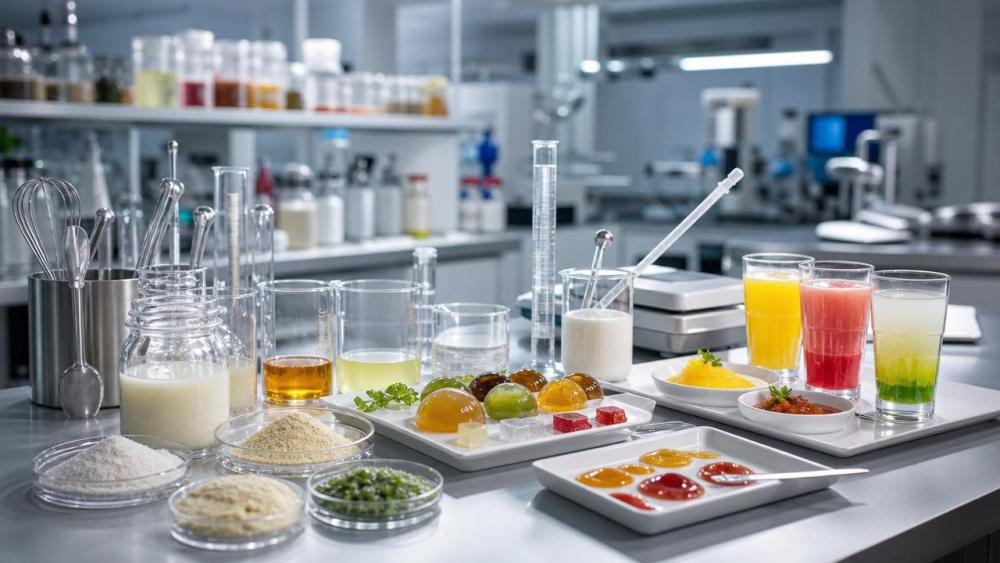
The timing is not accidental. Consumers expect indulgence, novelty, transparency, and safety in the same product. That combination pushes formulation teams to use ingredients with measurable performance, not just marketing appeal.
Molecular gastronomy ingredients sit at that intersection. They include hydrocolloids, emulsifiers, encapsulation systems, antioxidants, acids, aroma carriers, pigments, and specialty texturizers that alter structure at a molecular or colloidal level.
In business terms, they help turn a standard product into a premium one. A sauce gains cling without heaviness. A beverage carries layered aroma longer. A frozen dessert keeps smoothness through temperature stress.
That is why this topic now extends beyond chefs. It matters to formulation strategy, shelf-life economics, export readiness, and pricing power.
From culinary theater to formulation infrastructure
The phrase often evokes foams, spheres, gels, and dramatic plating. In commercial practice, the meaning is broader and more useful. Molecular gastronomy ingredients are tools for managing sensory outcomes with scientific precision.
A hydrocolloid does more than thicken. It influences mouthfeel, suspension, freeze-thaw behavior, and flavor perception. An antioxidant does more than protect fats. It protects brand consistency across transport, storage, and heat exposure.
This is where FFAI’s perspective becomes relevant. The platform’s focus on preservatives, thickeners, flavors, fragrances, surfactants, and high-end actives reflects a wider truth: premium products are built through invisible molecular systems.
In food, these systems shape bite, aroma lift, color stability, and shelf resilience. In adjacent sectors, the same logic applies to fragrance diffusion, skin feel, or cleansing performance. The underlying value is controlled sensory engineering.
The trends pushing premium food innovation
Several trends are making molecular gastronomy ingredients more relevant in portfolio planning.
Texture is becoming a brand asset
Texture now drives premium perception as strongly as taste. Consumers notice silkiness, aeration, chew, viscosity, and melt behavior with surprising sensitivity.
This gives hydrocolloids, protein interactions, and advanced stabilizer systems a bigger role. Xanthan gum, alginate, pectin, carrageenan, and tailored blends are not background ingredients anymore. They are part of the sensory promise.
Aroma delivery is getting more precise
Flavor systems increasingly rely on release control. Encapsulation, emulsification, and carrier selection determine whether top notes survive processing and whether flavor unfolds as intended during consumption.
That matters for coffee beverages, baked snacks, dairy desserts, and premium confectionery. It also links directly to FFAI’s expertise in flavors and essential oil extracts.
Clean label pressure is redefining ingredient choices
Many buyers want natural pigments, recognizable stabilizers, and fewer synthetic-sounding components. Yet performance targets remain high.
This creates a selection challenge. Molecular gastronomy ingredients must now balance functionality, labeling simplicity, sourcing credibility, and processing compatibility.
Shelf life and premium quality must coexist
Premium products often contain delicate fats, volatile aromatics, live textures, or vibrant natural colors. These features are appealing, but they are harder to preserve.
Food-grade antioxidants and preservatives therefore remain central. They are not just defensive ingredients. They protect commercial reach, reduce waste, and keep quality credible across long supply chains.
Where the business value becomes visible
Not every innovation trend translates into a margin opportunity. Molecular gastronomy ingredients often do, because they improve both product experience and formulation efficiency.
The strongest returns usually come when ingredient selection is linked to a specific sensory claim or processing constraint. Otherwise, a premium input can become an invisible cost rather than a visible advantage.
Typical application directions
The most effective use of molecular gastronomy ingredients depends on category context. Their role changes with texture goals, storage conditions, and brand positioning.
- In dairy and frozen desserts, they support creaminess, meltdown control, and stable flavor dispersion.
- In bakery, they help protect freshness, maintain moisture, and preserve aroma through heat-intensive processing.
- In sauces and dressings, they improve cling, sheen, suspension, and reduced-fat mouthfeel.
- In beverages, they help manage cloud stability, aroma release, and layered sensory effects.
- In confectionery and plated premium foods, they create novel structures without sacrificing repeatability.
There is also a cross-category lesson. Techniques developed for food often influence fragrance, wellness, and beauty innovation, especially where controlled release and sensory architecture matter.
How to judge ingredient choices more effectively
Ingredient novelty alone is not a strategy. A useful evaluation framework should connect sensory ambition with technical reality and market access.
Check performance under real process conditions
A promising lab result may fail during baking, pasteurization, freezing, or high-shear mixing. Thermal stability and interaction with salts, acids, fats, and proteins deserve early scrutiny.
Link sensory claims to measurable parameters
Words like smooth, rich, fresh, or long-lasting need technical anchors. Viscosity curves, oxidation data, release profiles, and shelf-life studies turn abstract claims into reliable decisions.
Treat compliance as part of innovation
For globally traded products, GRAS status, regional additive rules, declaration requirements, and documentation quality can determine whether a concept scales.
This is why intelligence-led review matters. FFAI’s compliance and formulation perspective reflects a growing need for scientific, regulatory, and commercial judgment in one workflow.
Test the premium story, not only the formula
Molecular gastronomy ingredients create value when consumers can feel, taste, see, or trust the difference. If the formulation gain is subtle, the commercial narrative needs to be equally disciplined.
What to watch next
The next wave will likely focus on high-purity systems, biodegradable processing aids, naturalized sensory modifiers, and smarter encapsulation for fragile actives and aromas.
Another important shift is convergence. The same molecular thinking used in premium foods increasingly informs supplements, nutricosmetics, fragrance experiences, and adjacent wellness products.
That makes molecular gastronomy ingredients more than a culinary trend. They are becoming part of a broader innovation language for brands that compete through sensory distinction and formulation credibility.
A practical next step is to map current products against three questions: where sensory performance is underleveraged, which ingredients carry regulatory or stability risk, and which premium claims can be technically defended. That exercise usually reveals where deeper ingredient intelligence can create the strongest advantage.
Related News
- Functional Food Additives for Bakery: Performance and Labeling BasicsJul 09, 2026Food Rheology Expert
- Bio-Based Thickeners: Cost and Performance in Food FormulationJun 25, 2026Food Rheology Expert
- Indonesia Duties Chinese PP, Affecting Starch and Flavor CarriersJun 21, 2026Food Rheology Expert
- Argentina Tightens Inorganic Arsenic LimitsJun 18, 2026Food Rheology Expert
Related News
- 00
0000-00
How biodegradable surfactants for laundry affect cold-water cleaning - 00
0000-00
How food hydrocolloids prevent ice crystals in frozen desserts - 00
0000-00
Which food texture modifiers for sauces prevent thinning after reheating? - 00
0000-00
How to verify supplier references for active compounds - 00
0000-00
How functional additives for beverages affect shelf-life stability
Food Rheology Expert
Weekly Insights
Stay ahead with our curated technology reports delivered every Monday.