





The timing of this development is not specified in the available information, but the market signal is clear: a sharp rise in WPC80 and WPI90 prices is pushing infant formula and sports nutrition buyers to reassess formulation, procurement, delivery, and compliance pathways. For manufacturers, traders, ingredient buyers, and supply chain service providers, the issue is no longer only cost pressure; it also touches specification control, supporting documents for ingredient substitution, and execution risks in export-oriented orders and fast-moving replenishment cycles.
Price pressure is already changing ingredient choices
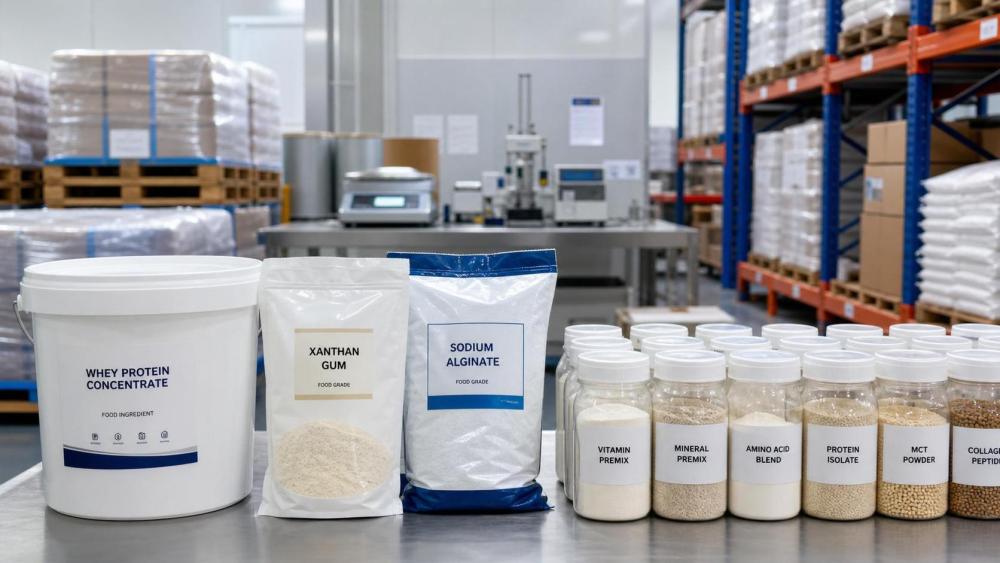
Confirmed information shows that global whey supply remains tight. Against that backdrop, industrial-grade WPC80 has been quoted at RMB 190,000 per ton, up 95% year on year, while spot prices for high-end WPI90 have exceeded RMB 27,000 per kilogram. Downstream infant formula and sports nutrition brands are accelerating a shift toward natural water-soluble thickener solutions such as Xanthan gum and Sodium Alginate. The order cycle has shortened from 45 days to 12 days, and inquiry volume from buyers in Southeast Asia and the Middle East has risen 65% week on week.
Where the rule and execution impact is most visible
Formula and specification control are becoming immediate issues
For downstream brands and processing manufacturers, the move from whey-derived ingredients toward Xanthan gum or Sodium Alginate is not simply a purchasing switch. It may affect internal specification management, technical documentation, labeling review, and consistency checks between procurement standards and production execution. From an industry perspective, what deserves closer attention is whether substitute ingredient use aligns with existing product specifications, customer requirements, and any contractually agreed technical parameters.
Procurement and delivery teams face tighter documentation demands
For raw material buyers and supply chain coordinators, the shortening of order cycles from 45 days to 12 days suggests that supplier confirmation, batch traceability, lead-time commitments, and document readiness may become more important in day-to-day execution. Analysis shows that when substitution demand rises quickly, buyers typically need to pay closer attention to certificates, test reports, technical data sheets, and version control in procurement files, especially where downstream customers require pre-shipment review or formula-related documentation.
Export-oriented trade may see more scrutiny on product alignment
For exporters and trading companies serving Southeast Asia and the Middle East, the reported 65% week-on-week increase in inquiries points to a faster commercial response cycle. Observably, this does not by itself confirm a regulatory change, but it does indicate a higher need to align quotations, specifications, and supporting documents before order conversion. In practice, businesses may need to watch for changes in tender language, customer qualification requirements, and acceptance criteria linked to alternative thickener solutions.
What companies should monitor now
Check whether substitution changes trigger document updates
Companies considering Xanthan gum or Sodium Alginate in place of whey-related inputs should closely review whether formulation changes require updates to technical files, internal approval records, quality documents, or customer-facing product specifications. The available information does not confirm a new formal rule, so this should be treated as a compliance checkpoint rather than an established new requirement.
Reassess supplier readiness under compressed order cycles
With order cycles reportedly reduced to 12 days, supplier qualification and delivery assurance become more sensitive. Businesses should pay attention to the stability of supply, batch consistency, and the completeness of accompanying documentation, particularly where procurement decisions are being made under shorter timelines.
Watch export contracts and inquiry conversion risks
For companies responding to stronger demand from Southeast Asia and the Middle East, a practical focus should be on whether inquiry growth is translating into orders with stricter specification review, revised delivery terms, or additional supporting paperwork. Analysis shows that rapid inquiry expansion can expose gaps between commercial offers and actual fulfillment capability if technical and compliance materials are not synchronized.
Follow market language for acceptance and qualification standards
Because the current information points to a demand shift rather than a confirmed policy release, companies should continue tracking how buyers describe acceptable substitute ingredients in procurement communications, bid documents, and quality review requests. What deserves closer attention is whether market practice begins to harden into de facto entry requirements for certain applications.
Why this looks more like an execution signal than a formal rule release
Observably, this development is better understood as an execution-level market signal driven by supply tightness and purchasing behavior, rather than a confirmed new law, regulation, or official standard update. At the same time, the shift matters because rapid substitution in sensitive downstream categories can create rule-like effects in the market: tighter customer specifications, stricter supplier screening, and higher expectations for traceability and technical support. From an industry perspective, continued attention should be placed on customer documentation requests, certification language, and acceptance criteria as they evolve.
How the market should read this development
On balance, the current event points to a practical change in how supply risk is being managed across parts of the nutrition ingredient chain. It is more appropriate to understand this as a live market adjustment with possible compliance and trade implications, not yet as a fully defined regulatory shift. For companies involved in formulation, procurement, export, and supply coordination, the main task is to track how substitution demand changes document requirements, delivery commitments, and customer approval standards in real transactions.
Basis of this article and what still needs verification
This article is generated from the user-provided news title, event timing, and event summary. The specific official source link was not provided in the input and therefore still requires further verification. For developments of this type, relevant source categories commonly include official notices, regulator publications, customs or trade authority information, industry association updates, standard-setting documents, and reporting from authoritative trade media. Further observation is still needed on any detailed policy interpretation, certification practices, tender document changes, market feedback, and how companies are implementing ingredient substitution in actual business operations.
Related News
- How food hydrocolloids prevent ice crystals in frozen dessertsSep 14, 2026Food Rheology Expert
- Which food texture modifiers for sauces prevent thinning after reheating?Sep 13, 2026Food Rheology Expert
- How shear-thinning rheology modifiers balance flow and stabilitySep 07, 2026Food Rheology Expert
- How to choose food thickeners for sauces without changing flavorAug 28, 2026Food Rheology Expert
Related News
- 00
0000-00
How biodegradable surfactants for laundry affect cold-water cleaning - 00
0000-00
How food hydrocolloids prevent ice crystals in frozen desserts - 00
0000-00
Which food texture modifiers for sauces prevent thinning after reheating? - 00
0000-00
How to verify supplier references for active compounds - 00
0000-00
How functional additives for beverages affect shelf-life stability
Food Rheology Expert
Weekly Insights
Stay ahead with our curated technology reports delivered every Monday.