





On June 20, 2026, India’s food regulator moved to restrict the use of high-purity hyaluronic acid in foods and nutritional supplements for infants and toddlers aged 0–36 months. The change is already affecting export orders, ingredient sourcing, and formulation decisions, making it especially relevant for hyaluronic acid suppliers, infant nutrition brands, procurement teams, and cross-border trade operators watching regulatory compliance in the Indian market.
What the revised order confirms
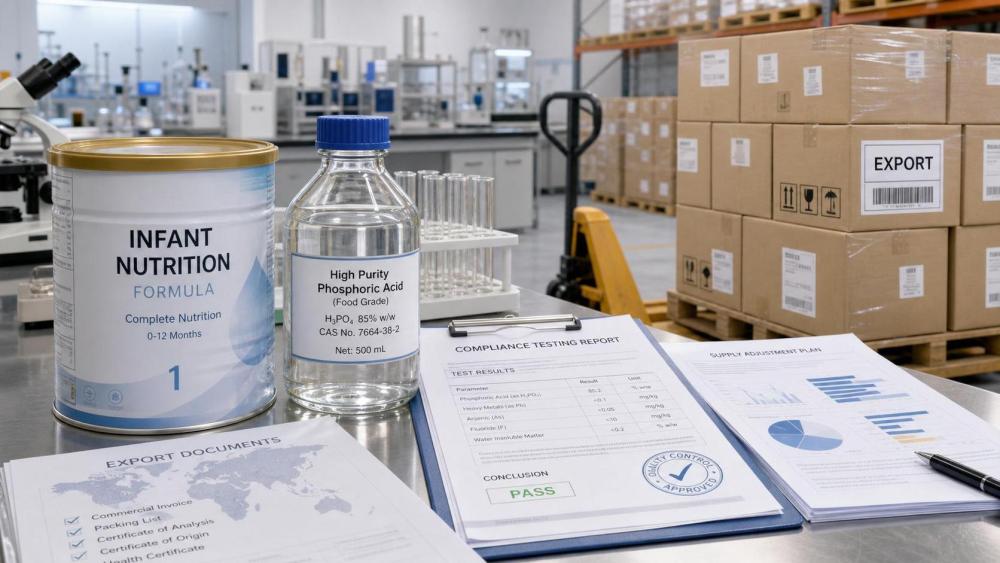
According to the information provided, the Food Safety and Standards Authority of India (FSSAI) issued a revision notice on June 20, 2026 under Order No. FSSAI/LEG/2026/142. The notice prohibits the use of high-purity hyaluronic acid with a molecular weight of 1,500 kDa or above and a purity of 95% or above in complementary foods and nutritional supplements intended for infants and toddlers aged 0–36 months.
The ban took effect immediately. The same input also states that several Chinese exporters of hyaluronic acid raw materials have suspended deliveries on India-bound orders, while some Indian brands have shifted toward local fermentation-based substitute solutions.
Where the immediate pressure is showing
Export transactions are being interrupted first
From an industry perspective, direct trade companies and raw material exporters are likely to feel the impact first because the rule took effect immediately. The main pressure point is not only whether existing orders can proceed, but also how product specifications match the newly restricted thresholds for molecular weight and purity in infant-related applications.
Procurement and formulation teams face fast reassessment
For ingredient buyers and product development teams serving the infant nutrition segment, the issue is likely to center on whether current formulas, pending shipments, or sourcing plans involve the now-restricted high-purity material. What deserves closer attention is the distinction between general hyaluronic acid trade and the specific use case covered by the order: complementary foods and nutritional supplements for the 0–36 month age group.
Indian brands are already adjusting sourcing paths
The provided information indicates that some Indian brands have turned to local fermentation-based alternatives. Analysis shows this shifts the commercial focus from simple ingredient availability to replacement feasibility, supplier qualification, and the practical timeline for reformulation or procurement adjustment.
What companies should watch now
Track how the rule is described in practice
Companies should closely review how customers, import partners, and internal teams are interpreting the restricted specifications, especially the combined thresholds for molecular weight and purity and the defined age-group scope. In regulatory situations like this, operational misunderstandings can create additional disruption beyond the text of the rule itself.
Separate affected products from unaffected business lines
Analysis shows that businesses with broader hyaluronic acid portfolios should not treat all India-related business as equally affected. The more practical task is to isolate which products, customer accounts, and shipments relate specifically to infant complementary foods and nutritional supplements covered by the order.
Recheck delivery commitments and documentation
For suppliers and service providers, immediate attention should go to shipment status, contractual delivery timing, product specifications, and customer communications. The reported suspension of some export deliveries suggests that execution risk may now sit as much in fulfillment and documentation review as in product compliance itself.
Prepare for substitution discussions with buyers
Observably, some market participants are already moving toward alternative supply routes. Companies dealing with Indian buyers may therefore need to prepare not only compliance explanations, but also discussions around substitute materials, revised sourcing plans, and possible delays tied to procurement or reformulation decisions.
Why this looks larger than a single order halt
Analysis shows that this development should not be read only as a short-term interruption to a few shipments. It also signals that, in the infant nutrition segment, ingredient acceptance can turn on highly specific technical parameters and immediate enforcement timing. At the same time, it is too early to frame this as a fully settled long-term market outcome across all hyaluronic acid applications, because the confirmed facts relate to a defined product scope and a specific specification range.
It is more appropriate to understand this as a concrete regulatory change with immediate commercial consequences, while also treating it as an industry signal that compliance review in sensitive nutrition categories may become more specification-driven and less tolerant of ambiguity.
How the market is best reading this change
At this stage, the clearest takeaway is that the Indian infant nutrition market now presents a direct compliance constraint for a defined category of high-purity hyaluronic acid. For exporters, buyers, and brand owners, the issue is not abstract policy risk but near-term operational adjustment. Still, the broader significance should be interpreted cautiously: this is already a real business event, but its longer-term effect on sourcing patterns, substitution behavior, and product planning still requires continued observation.
Basis of this article
This article is generated from the user-provided news title, event date, and event summary. The confirmed factual basis used here consists of the reported FSSAI revision notice, its effective date, the stated technical restriction, the immediate suspension of some China-to-India orders, and the reported shift by some Indian brands toward local fermentation-based alternatives.
For this type of development, commonly relevant source categories may include official regulatory notices, company statements, industry association updates, authoritative media coverage, and standards-related documents. A specific official source link was not provided in the input, so continued verification remains necessary. Follow-up attention should focus on any further official wording, implementation clarifications, and practical changes in procurement and delivery behavior linked to the Indian infant nutrition segment.
Related News
- What does hyaluronic acid serum grade mean for cosmetic formulators?Sep 05, 2026Cosmeceutical Formulator
- Which transdermal delivery ingredients for skincare improve actives absorption without raising irritation riskAug 17, 2026Cosmeceutical Formulator
- FDA Opens New GRAS Route for High-Purity HAJul 24, 2026Cosmeceutical Formulator
- China Tightens HA Export Traceability RulesJul 14, 2026Cosmeceutical Formulator
Related News
- 00
0000-00
How ingredient intelligence platforms improve market research decisions - 00
0000-00
How scientific anti-aging skincare targets wrinkles at the cellular level - 00
0000-00
Garlic Powder Storage: Managing Moisture to Protect Aroma and Flow - 00
0000-00
How to select aroma chemical ingredients for better fragrance stability - 00
0000-00
How natural food pigments for bakery hold color during baking
Cosmeceutical Formulator
Weekly Insights
Stay ahead with our curated technology reports delivered every Monday.